Potobelo

Co-branding

A Korean kitchenware brand’s flagship kettle, co-branded and built on our lines

The brand’s representative product: an argon-welded stainless kettle with an electrolysis-treated interior and bakelite fittings, in seven capacities from 1 to 7 litres — made here since 2002.

  • Co-branding
  • 1.0–7.0 L
  • Argon-welded
  • Since 2002
The mirror-polished stainless flagship kettle, whole, with its bakelite bail handle raised

The brief

A brand’s flagship has to carry the brand

The brand describes this kettle as its representative product — the one that carries its accumulated technology and, with it, its reputation in Korean retail. A flagship is the hardest thing to manufacture for someone else: it is the product their customers judge them by, across a range that runs from a 1-litre domestic size up to a 7-litre unit that lands closer to catering duty. We have built it since 2002, and we build every size in the range.

The product

What the brand sells today

Published specification of the finished product
Capacities1.0, 1.5, 2.0, 3.0, 4.0, 5.0 and 7.0 litres
BodyStainless steel, mirror-polished
SeamArgon welding joins the upper and lower sections
InteriorElectrolysis-treated for cleanability
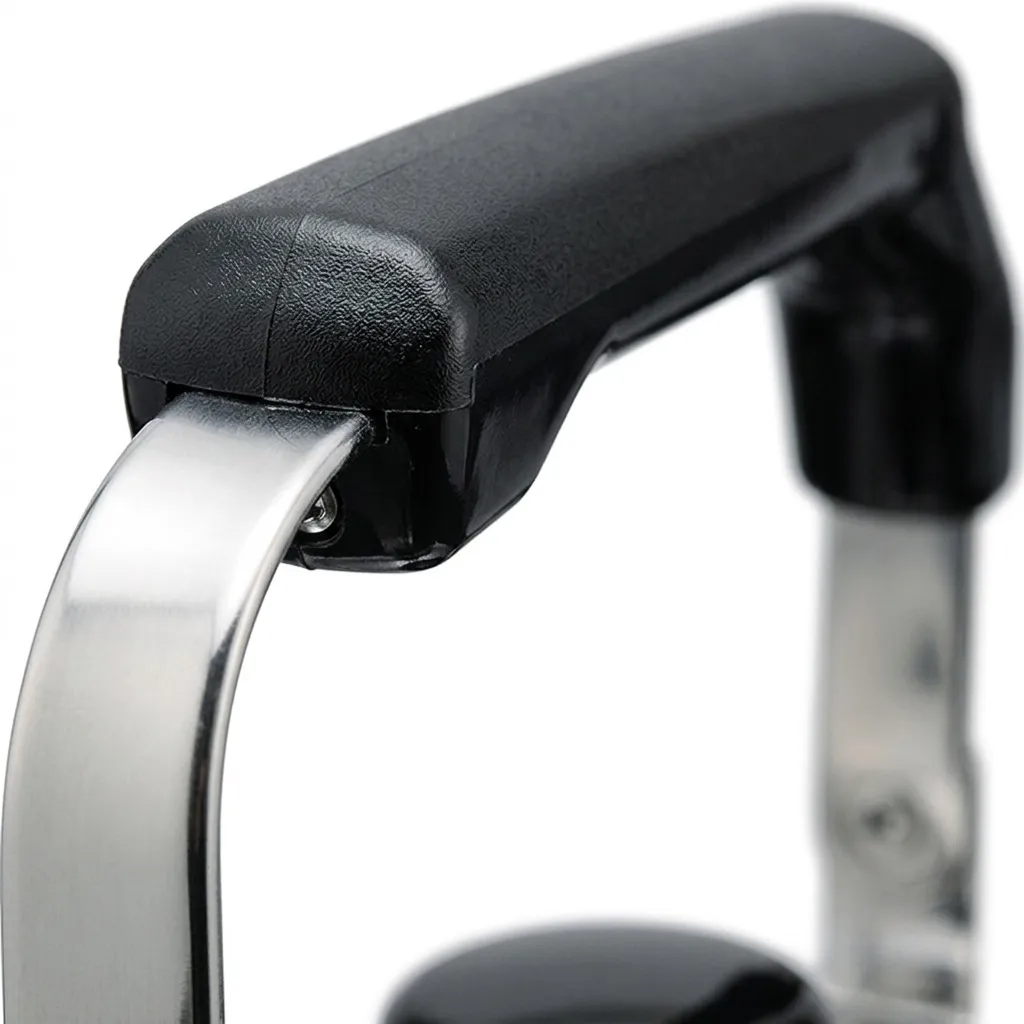
Handle & knobBakelite, to minimise heat transfer
MarketSouth Korea — retail and direct online

Specification as published on the brand’s own product page.

What it takes to build

Why this product is harder than it looks

Argon welding is the seam you are not supposed to notice

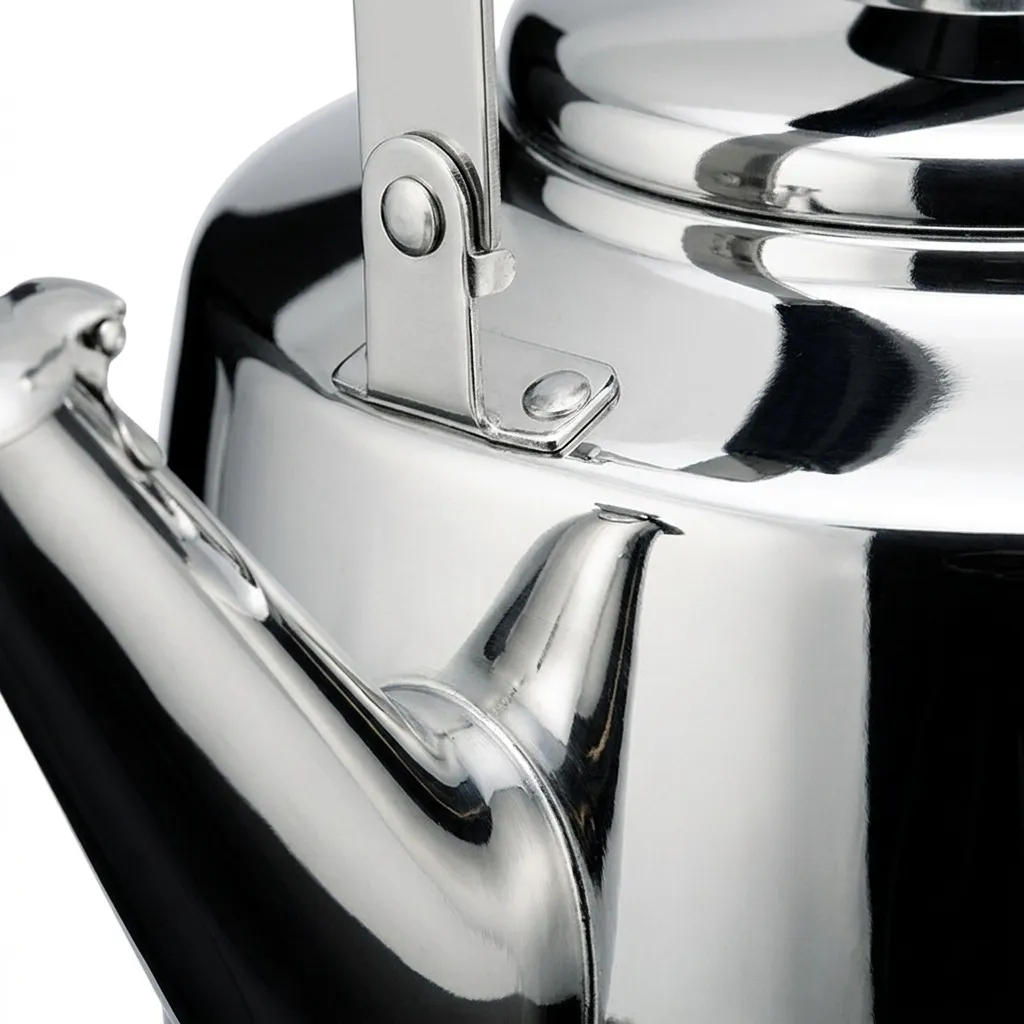
Joining the upper and lower body under argon leaves a seam strong enough to outlive the kettle and clean enough to mirror-polish across. On a mirror finish there is nowhere for a weld to hide, so the welding and the polishing are one quality question, not two.

Seven capacities is seven tools, one family

A range from 1.0 to 7.0 litres has to look like one product at every size while the proportions, wall thickness and base all change underneath. Tooling for the whole family is cut in our own toolroom.

A flagship is judged on reorder, not first order

Carrying another brand’s lead product means the tenth run has to match the first. Production uses the same materials, processes and equipment as the approved sample, and output is inspected against that reference before it ships.

Bakelite is specified for what it refuses to do

The handle and knob are there to not conduct heat, which is why the material is bakelite rather than metal. What changes across the range is load: a filled 7-litre kettle asks far more of the same handle profile than a 1-litre one. The look stays constant across the family while the fixing and the section behind it do not, which is a detail buyers only notice when it is wrong.

Surface treatment and polishing have to be sequenced, not just specified

An electrolysis-treated interior and a mirror-polished exterior are two processes acting on the same body, and the order in which they run decides whether either survives intact. Getting this right is a process-control question rather than a specification one, which is the kind of thing that separates a factory running its own lines from one buying the steps in.

In detail

  • Close-up of the black bakelite grip moulded onto the stainless steel bail handle

    Bakelite is specified for what it refuses to conduct, so the grip is a moulded assembly carried on the bail rather than a formed part of it.

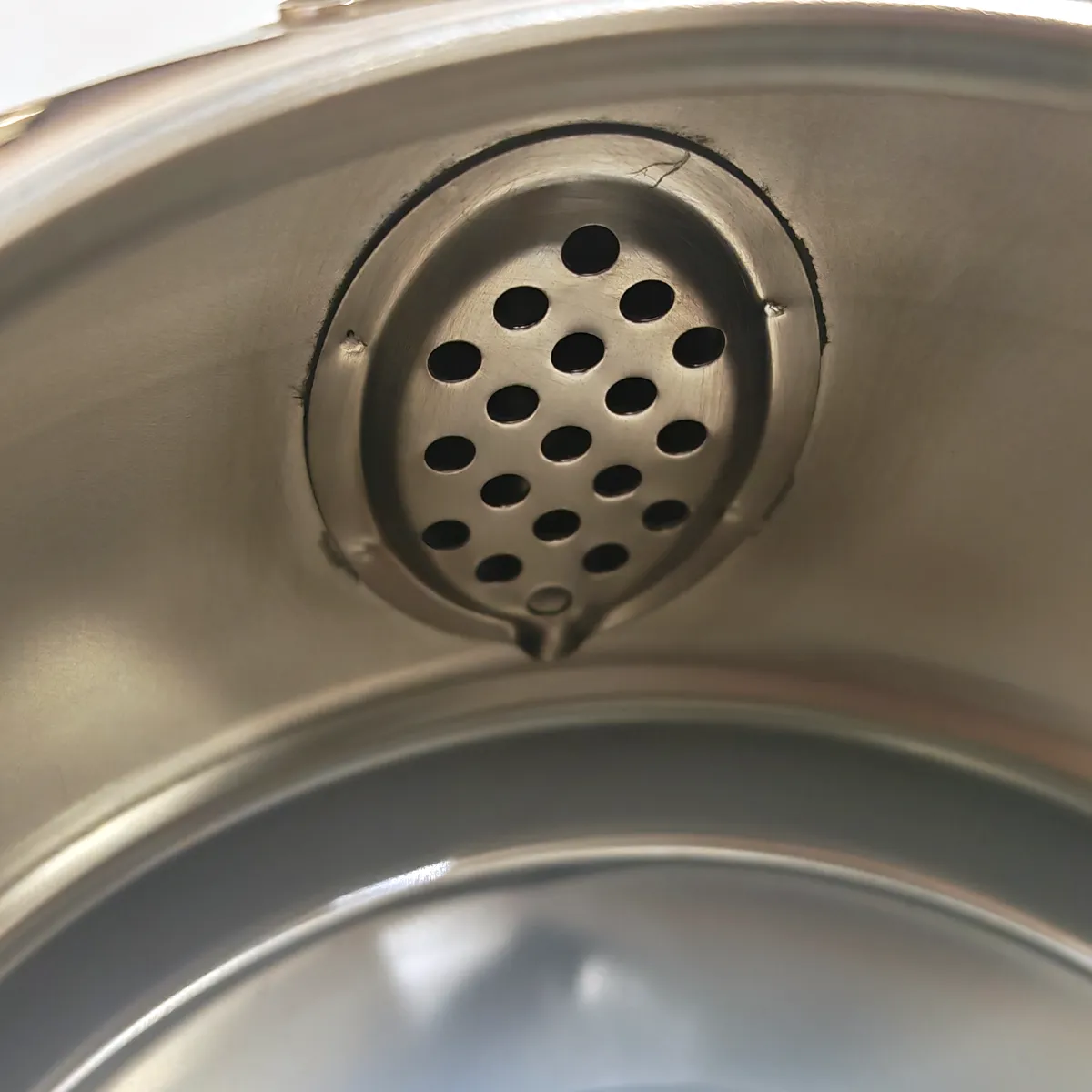
  • Interior of the kettle showing the perforated strainer seated in a recess over the spout opening

    Seen from inside: the strainer sits over the spout opening, in a recess drawn into the shoulder and secured around its rim. It has to come through assembly without distorting the hole pattern.

  • Close-up of the mirror-polished kettle where the spout meets the body, with the riveted handle bracket above it

    Upper and lower sections are argon-welded and the handle bracket is riveted on. A mirror finish gives neither joint anywhere to hide, so the polishing has to take the weld out entirely.

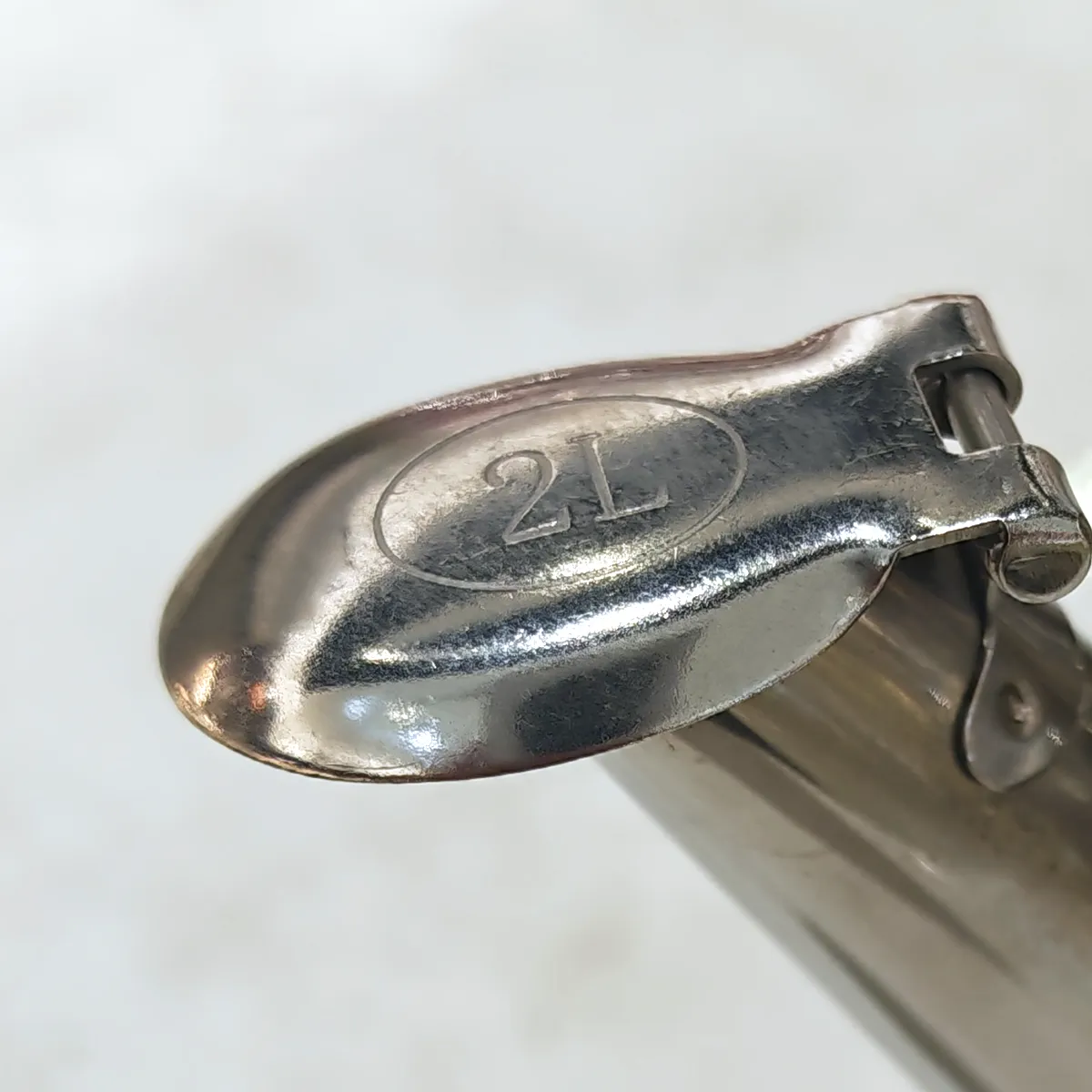
  • Hinged whistle cap on the spout, stamped with a 2L capacity mark

    The capacity is struck into the whistle cap. Across a 1.0–7.0 litre family that is a separate stamp per size, on a part that also has to seal and hinge.

The engagement

What this one asked of us

The body is joined from an upper and a lower section by argon welding and then polished to a mirror. Those are not two problems but one.

  1. A mirror finish gives a weld nowhere to hide

    A brushed surface forgives; a mirror magnifies every trace of the join and shows it to the customer. Welding parameters and polishing sequence therefore have to be set together rather than specified separately. That same seam is also the only potential leak path in the kettle, so it has to be invisible and absolutely sound at once — two requirements that leave a narrow process window.

  2. Order of operations decides whether either finish survives

    An electrolysis-treated interior and a mirror-polished exterior act on the same body, and which runs first decides the outcome. That is process sequencing rather than specification, and it is the difference between a factory running its own lines and one buying the steps in.

  3. One family, seven capacities, different loads

    1.0 to 7.0 litres has to read as one product, but a full 7-litre kettle asks several times the load of a 1-litre one — so a handle that looks identical across the family cannot be fixed or sectioned identically behind the visible part.

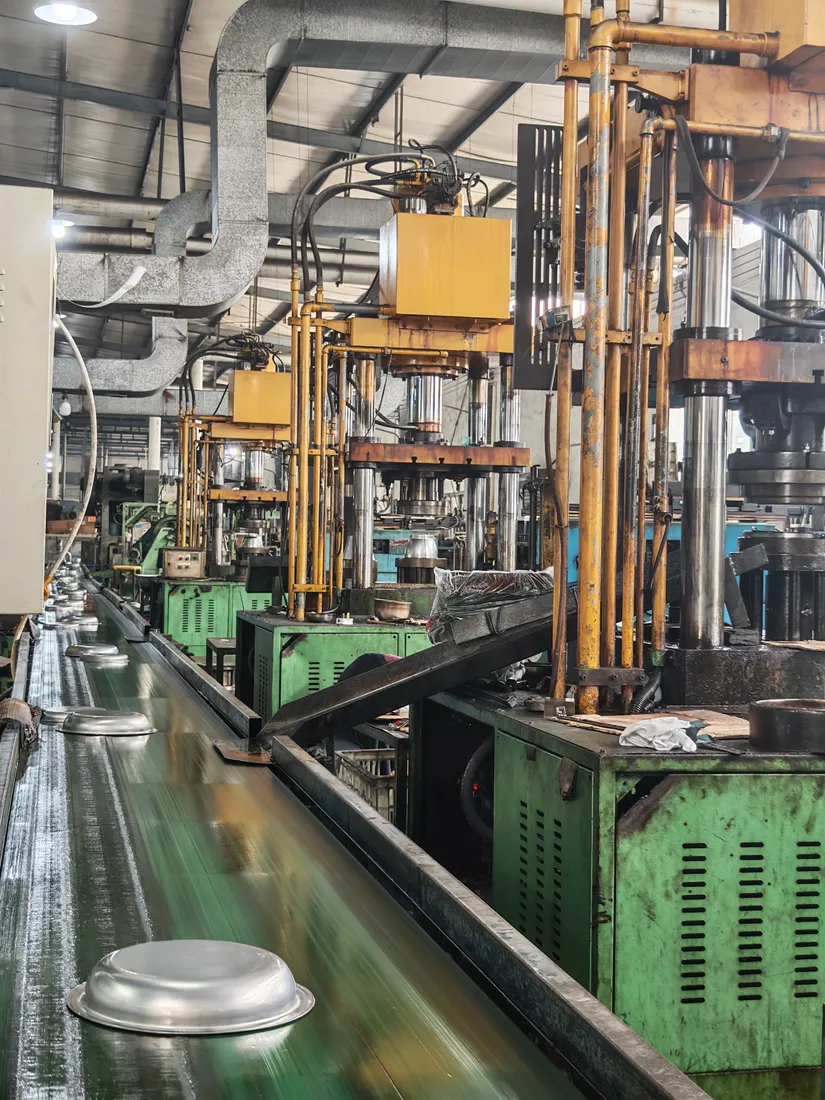
Presses forming stainless steel parts in the press shop
Our own press shop: the upper and lower sections start here, before they are joined.

How the programme ran

Partnership
Since 2002, running
Production
Repeat volume orders for over twenty years
Range covered
All seven capacities, 1.0–7.0 L

From our own range

Our own kettle range, built on the same lines

This kettle carries another company’s name and is not ours to sell. The range below is, and it comes off the same lines with the same welding, polishing and base bonding. It can be supplied as it is for wholesale, or used as the starting structure for a co-branded or private-label programme.

See all stainless steel kettles

Common questions

Building a product like this

Can you supply a whole capacity family rather than one size?

Yes, and it is worth deciding early. A family from roughly 1 litre to 7 litres has to read as one product at every size while proportions, wall thickness and base all change underneath, so it is a set of related tools rather than one tool scaled up. Tooling for a whole family is cut in our own toolroom, which is what keeps the sizes consistent with each other as revisions happen.

What does co-branding actually mean on the product itself?

It means both names are present rather than one replacing the other, so the buyer keeps their brand on the shelf while the manufacturing origin stays visible behind it. In practice the differences from a straight private-label programme are in marking, packaging and print rather than in the tooling. Logo, colour, packaging and accessories are customisable either way.

Is a welded seam visible on a mirror-polished body?

It should not be, and that is the whole difficulty. Argon welding joins the upper and lower body with a seam strong enough to outlive the kettle, but a mirror finish gives a weld nowhere to hide, so the weld and the polish are one quality question rather than two consecutive steps. Both run in-house, which is what makes it controllable.

Sourcing questions that apply to any programme — minimum order quantity, lead times, and whether production matches the approved sample — are answered on the Co-branding page and in our sourcing FAQ.

The route

This was built as a co-brand

Same process, whatever you bring: consult, design, sample in 7–10 days, your approval, then production built to match the sample.

How Co-branding works →

Bring us the product you need built

A drawing, a spec, a reference sample or nothing but a category and a price band. Tell us your market and volumes and we reply with a plan, MOQ and next steps, usually within one business day.

Or reach sales directly: potobelo@zoombo.co · +86-663-3286181

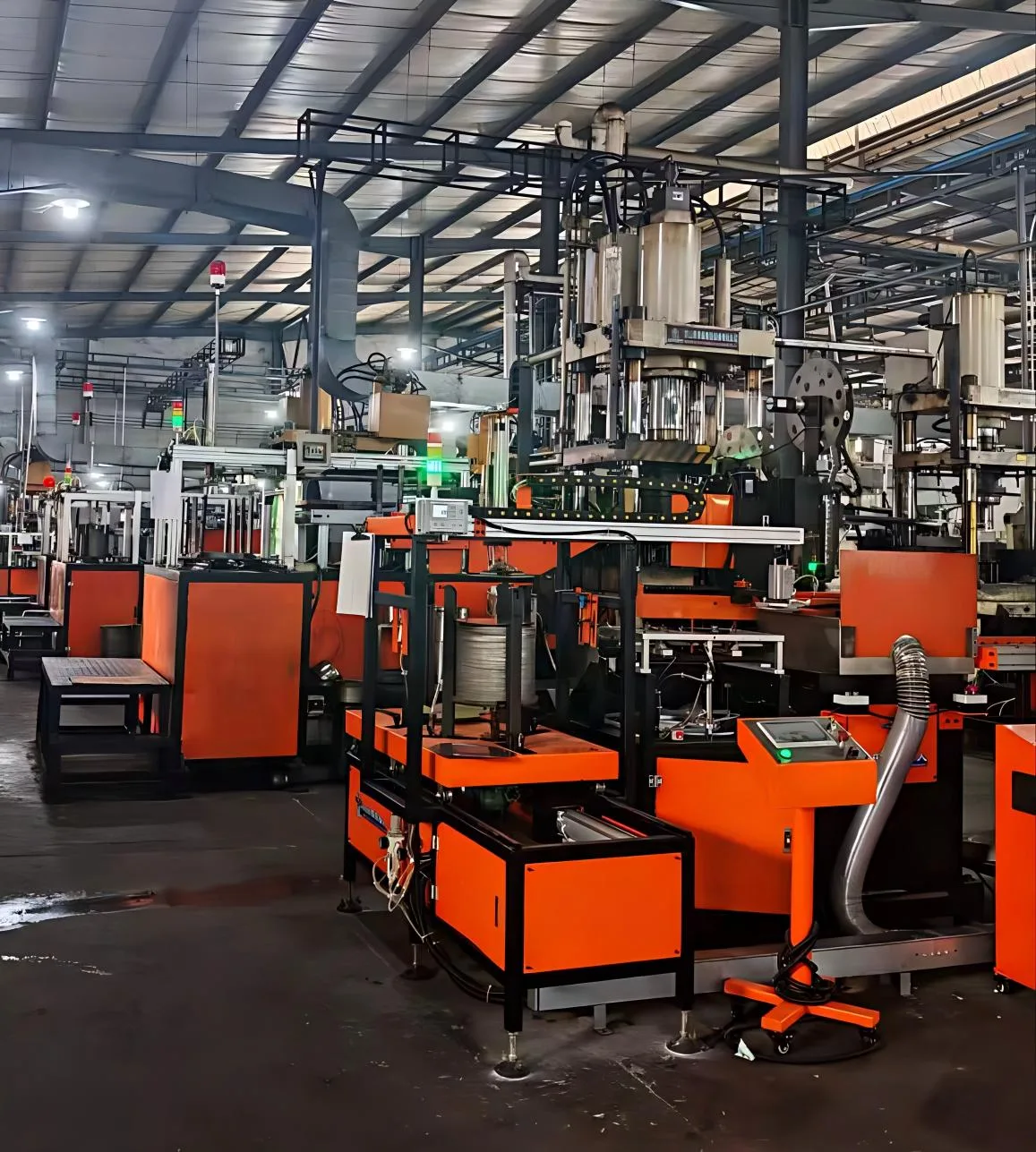
Stainless steel cookware production at the Potobelo / Zoombo factory