
How to Source Cookware From China: The B2B Buyer's Playbook
Most guides to sourcing cookware from China are written by people selling you a sourcing service, or by factories advertising themselves in a top-ten list. This one is written from inside a cookware plant: the sequence a competent buyer follows, the questions that separate a production line from a showroom, and the points in the calendar where a mistake stops being cheap to fix.
 Potobelo Editorial Team14 min read
What the sourcing journey actually looks like
A first cookware order from China is not a transaction, it is a project with about six stages. Buyers who run into trouble almost always compressed one of them — usually specification — because the stage after it looked more urgent. This is the sequence as it runs on our side of the table, with the elapsed time a realistic first programme takes.
Stage | What you are deciding | Typical duration |
|---|---|---|
1. Shortlist | Which five or six suppliers are worth an enquiry at all | 1 to 2 weeks |
2. Qualification | Factory or trader, capability fit, certificates, references | 1 to 2 weeks |
3. Specification and RFQ | Grade, gauge, base build, hardware, packaging, terms | 1 to 3 weeks |
4. Sampling | Whether the drawing survives contact with a real press | 7 to 10 days per round, plus tooling if new |
5. Production and QC | That the container matches the sealed sample | 30 to 50 working days |
6. Shipment and clearance | Incoterm, documents, duty, delivery window | 30 to 40 days by sea to the US or Europe |
Two things follow from that table. First, the whole calendar is four to six months for a customised first order, so the season you are buying for is decided long before anyone discusses price. Second, the cheapest place to fix a problem is stage three. A grade argument settled in an email costs an hour; the same argument settled at pre-shipment costs a container.
Where a shortlist comes from (and what the listicles are)
There are four honest sources of candidate suppliers, and each has a bias you should price in:
- B2B marketplaces (Alibaba, Made-in-China, Global Sources). Broad and fast, but membership is a purchase, not a credential. Treat gold-supplier badges and transaction levels as evidence that someone pays for the platform, not that they own a press.
- Trade fairs. The Canton Fair, Ambiente in Frankfurt, HKTDC Houseware. Two days at a fair does more filtering than a month of emails: you can hold the product, ask a technical question to someone’s face, and see whether the booth staff are engineers or agents.
- Referrals from non-competing buyers. The highest-signal source there is, and the most underused. A distributor in another market has no reason to protect a supplier who let them down.
- “Top 10 cookware manufacturers in China” articles. Read one and check the footer: almost every one of them is published by a cookware factory, and the factory that wrote it is on the list. That does not make the other nine names worthless — it makes the ranking an advertisement rather than a ranking.
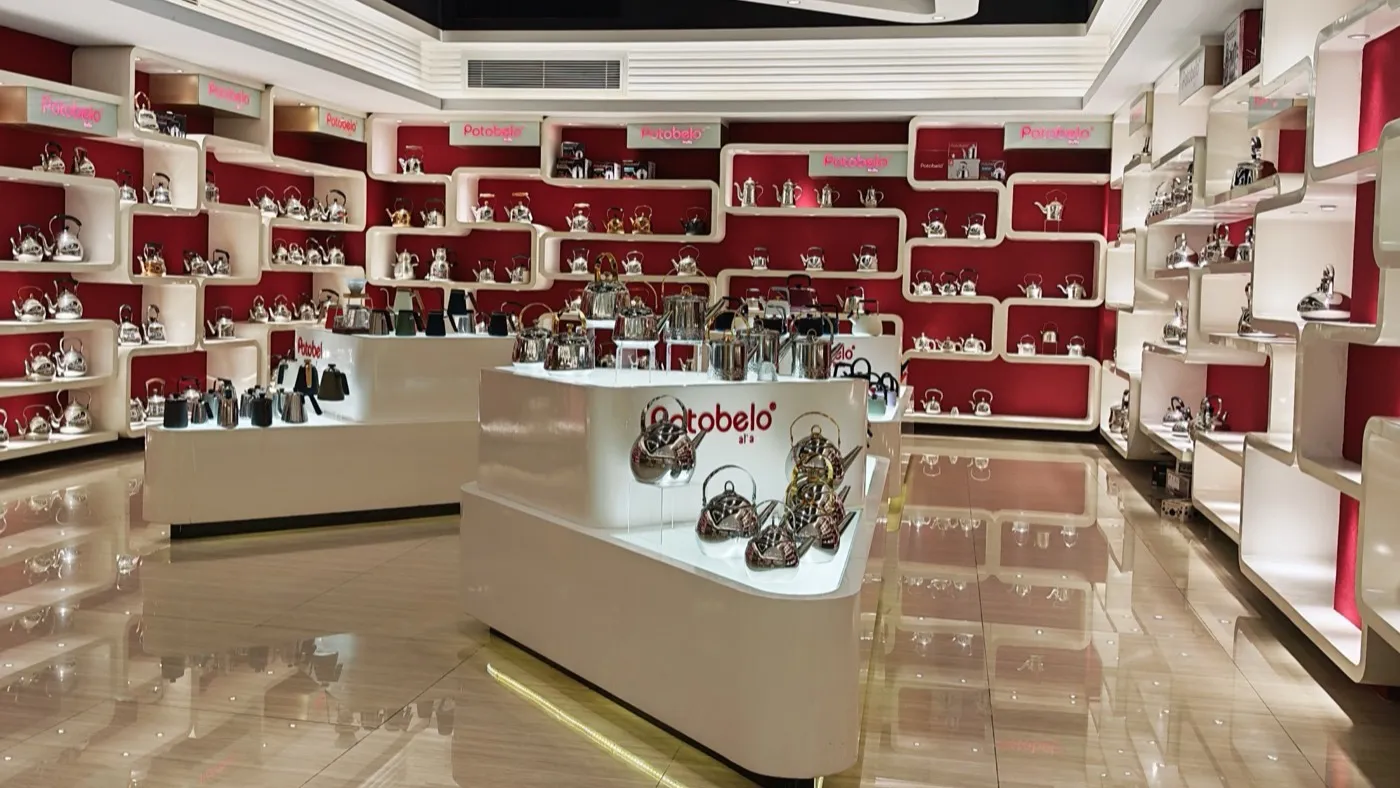
Five or six candidates is the right width. Fewer and you have no benchmark for price and lead time; more and qualification becomes a full-time job for a buyer who has other categories to run.
Factory or trading company: how to tell
This is the single most consequential fact about a supplier, and the one most often left unestablished. Neither answer is disqualifying — a good trading company that has worked with the same three factories for a decade can be a perfectly sensible partner for a small mixed order. What you cannot afford is not knowing, because it changes who controls your lead time, who can authorise a spec change mid-run, and how many margins sit between you and the coil.
Four checks, in ascending order of cost:
- Read the business licence. Every Chinese company has one, and it states a registered capital, a scope of business and a registered address. A manufacturer’s scope names production of the goods; a trader’s names trade in them. Cross-check the address against the address you would visit — an office tower is not a plant.
- Ask a question only production can answer. What tonnage is the press that forms this body? Is the base impact-bonded or brazed? Is the mould shop in-house or subcontracted? What is the cycle time per piece on this model? An engineer answers in one message. An intermediary answers tomorrow morning, after asking someone else.
- Ask for an unedited line video. Not a corporate film — a single-take walk down the line making your product type, with the phone held by whoever you are talking to. It is free, it takes ten minutes, and the willingness to do it is itself information.
- Verify on site. Your own visit, or a third-party audit if you cannot travel. This is the confirming step, not the filtering step; run the first three first so you are paying to confirm a shortlist of two, not to survey a list of ten.
One caution about the middle ground: a plant that presses bodies but buys in lids, handles and glass is still a factory, and a factory that makes kettles beautifully may subcontract your pressure cookers to a neighbour. “Are you a factory” is therefore the wrong question. “Which parts of this item do you make in this building, and who makes the rest” is the right one.
Capability fit comes before price
A quotation is only meaningful once you know the supplier can make your item well. Price first, capability later is how buyers end up holding the cheapest quote from the least suitable line.
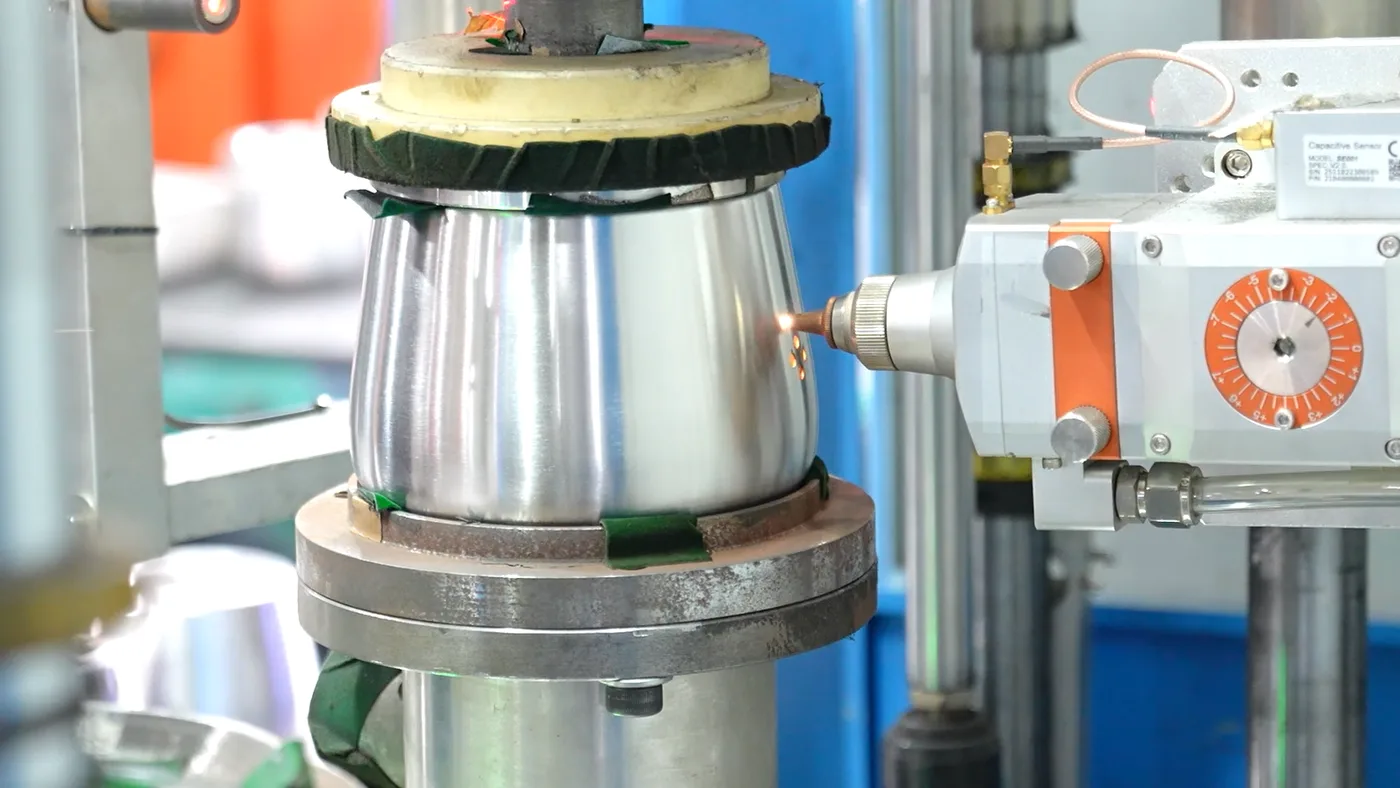
Capability questions worth asking before you ask for a number:
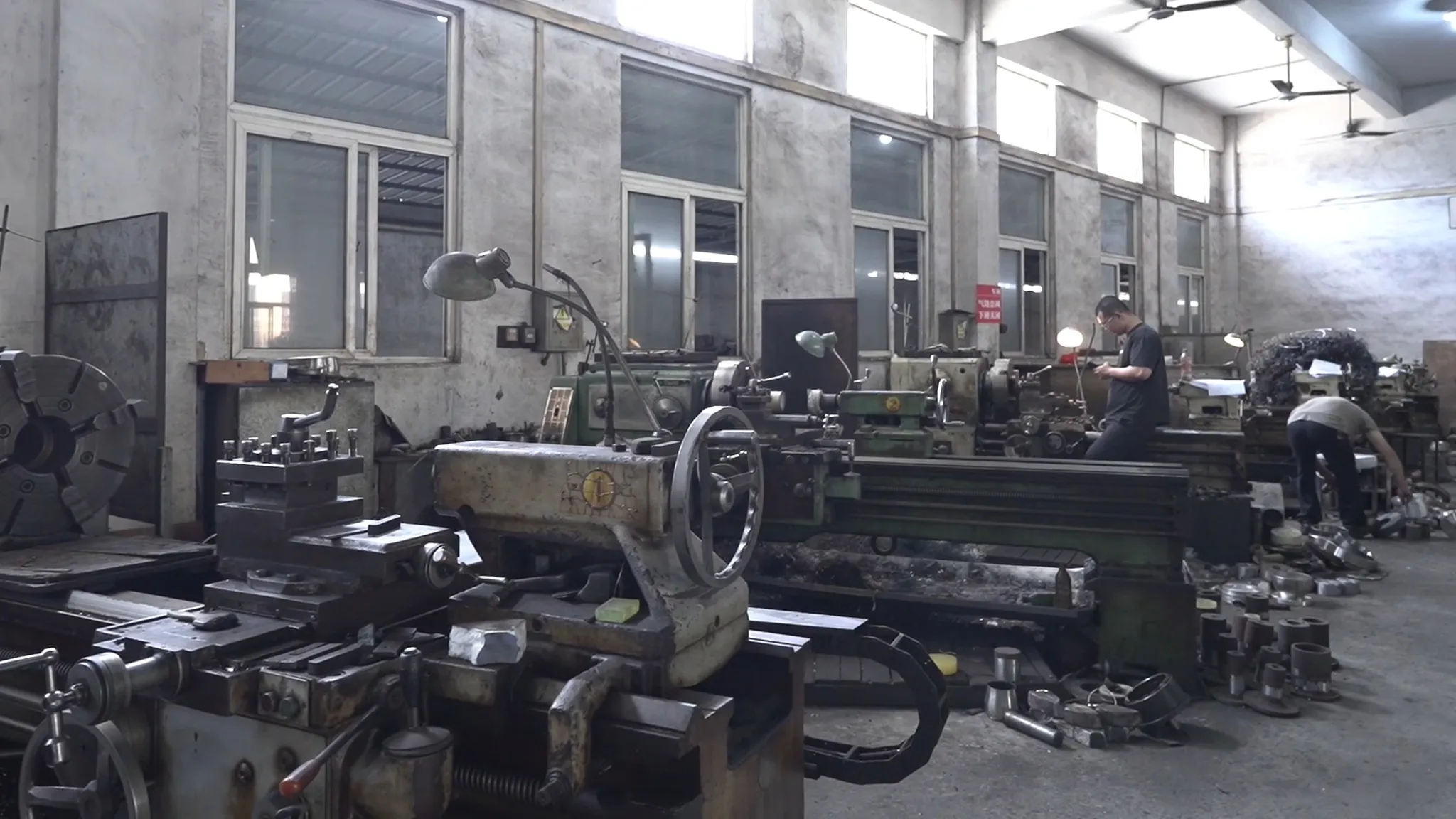
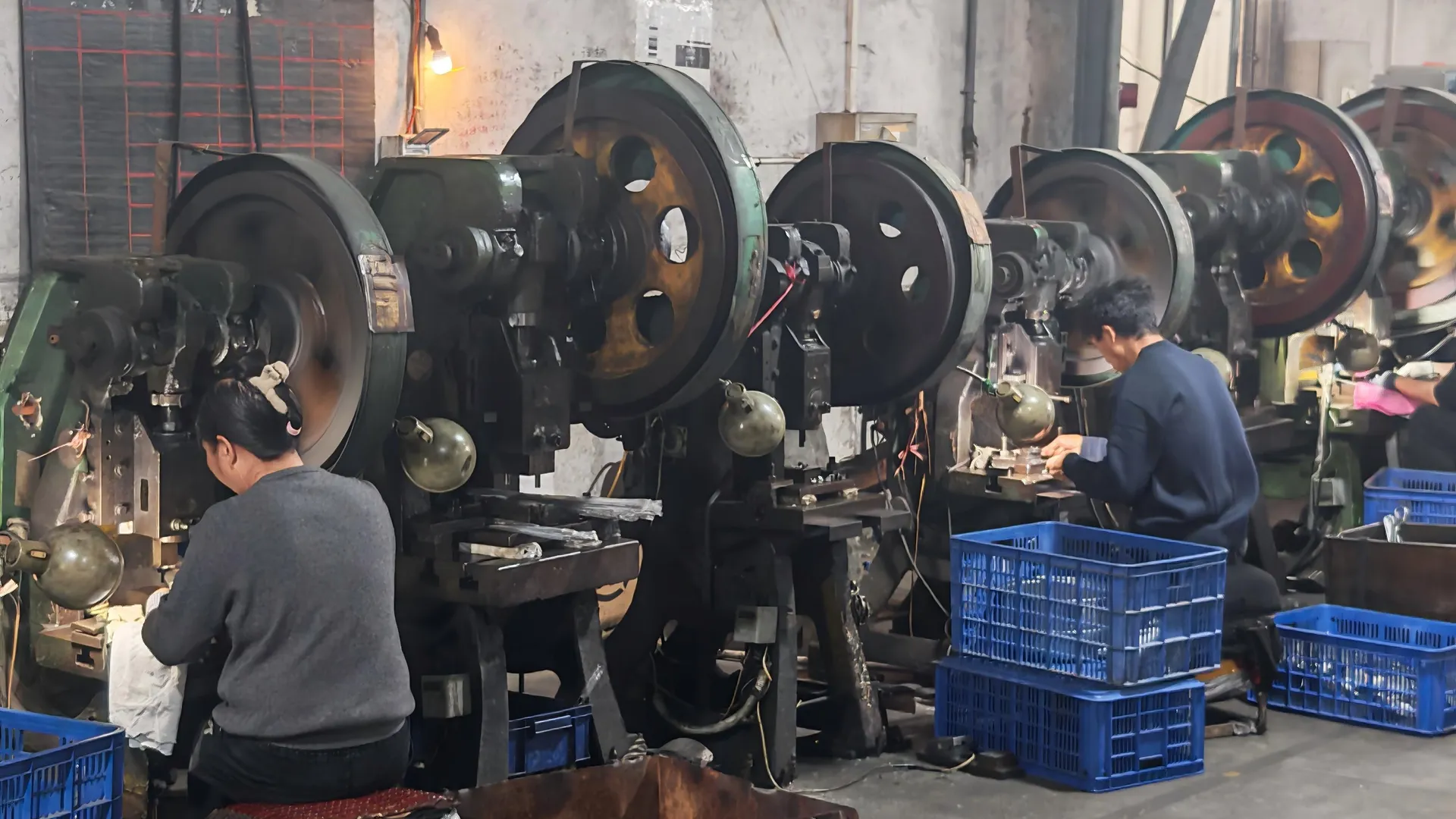
- Which processes are under this roof? Deep drawing, spinning, impact bonding of composite bases, welding, polishing, assembly, packing. Every step that leaves the building adds a queue you cannot see and a margin you are paying.
- Is there a mould shop? On customised programmes this decides whether a tooling correction takes three days or three weeks.
- What does the line actually run? A plant that runs pressure cookers daily has solved problems your drawing has not met yet — safety-lock structures, gasket seating, valve fitment. A plant that has never run them will solve them on your order.
- What is the realistic daily output on your item? Not the headline plant capacity — the line that will run your model. This is the number that determines whether your 20,000-piece order takes three weeks or three months.
- Who else do they make for? Names are often under NDA, but categories, markets and years are not, and a supplier who has shipped into your market before knows its labelling and certification quirks without being taught.
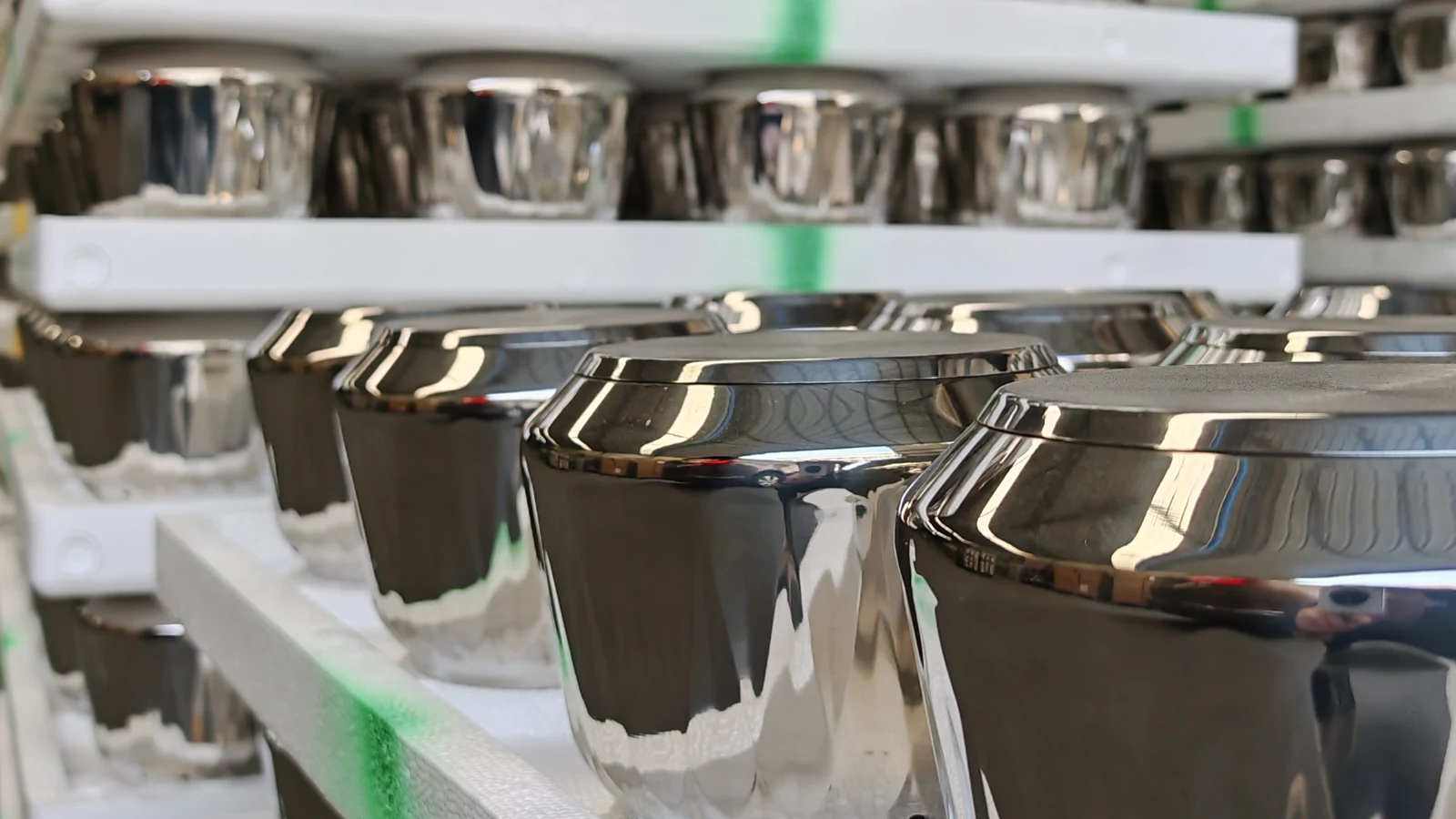
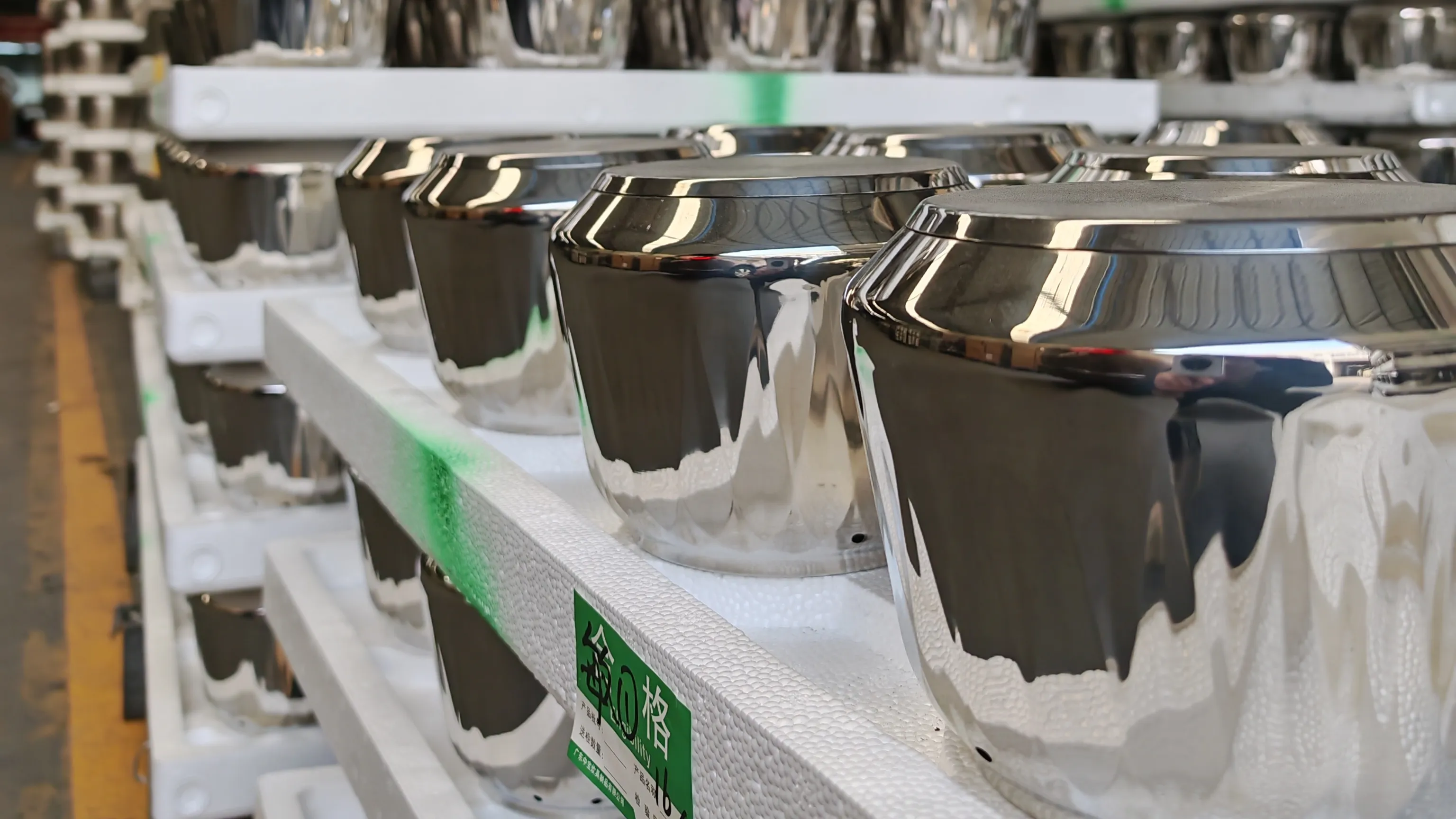
For calibration, the plant behind Potobelo runs 66,000 m² with 70+ production lines and around 26,000 pieces a day across pressure cookers, kettles, saucepans and steamers, with the mould shop, forming, bonding, polishing and packing all in-house. We publish those numbers not because bigger is automatically better — for a 2,000-piece specialty run it often is not — but because they are the kind of numbers you should be able to get from any serious candidate, and compare.
Writing an RFQ that gets comparable quotes
Most quotation spreads that look like price differences are specification differences. If your enquiry says “stainless steel stockpot, 24 cm, please quote”, you will receive three quotes built on three different steels at three different thicknesses, and the cheapest will win a comparison it never entered.
The minimum an RFQ has to fix, per model:
Material | Grade per part — body, base cap, hardware (see the grade guide below) |
|---|---|
Gauge | Nominal thickness in mm, and where it is measured |
Base construction | Single-ply, impact-bonded composite or clad; total base thickness |
Capacity and dimensions | Litres, diameter, height, with tolerances |
Finish | Mirror, satin, brushed; inside and outside stated separately |
Hardware | Handle material, fixing method (riveted, welded, screwed), lid and knob |
Compliance | Which market, which report — FDA, LFGB, EU 1935/2004, SASO, GS |
Packaging | Colour box, sleeve, brown carton; pieces per carton; barcode requirement |
Commercial | Quantity per model, Incoterm, port, payment terms, target ship date |
The material line is where the most money hides and the least attention goes. If you are not certain what to write there, our guide to stainless steel cookware grades covers what 304, 316, 201 and 18/10 mean on a spec sheet, and why grade without gauge is only half a specification.
Send the same document to every candidate, ask them to confirm it back line by line rather than attaching a general capability deck, and treat any line they quietly change as the most interesting thing in their reply.
Samples: what to ask for and what to seal
Sampling is where a drawing meets a press, and it is the last stage where changes are cheap. Ours run 7 to 10 days for an item on existing tooling; new tooling adds three to five weeks before the clock even starts. Both numbers are worth confirming with any supplier before you commit to a launch date.
Ask for three things, not one:
- A production-intent sample — made with the material, tooling and process the mass run will use. A hand-finished showpiece proves that a skilled person exists in the building, not that the line can repeat it 20,000 times.
- Two identical pieces. One stays with you, one is sealed, signed and dated by both sides and kept at the factory. That sealed piece is what “matches the sample” refers to at pre-shipment inspection. Without it, the phrase is decorative.
- The paperwork that goes with it — mill certificate for the coil, food-contact test report for the finished item, and a filled specification sheet with measured values rather than nominal ones.
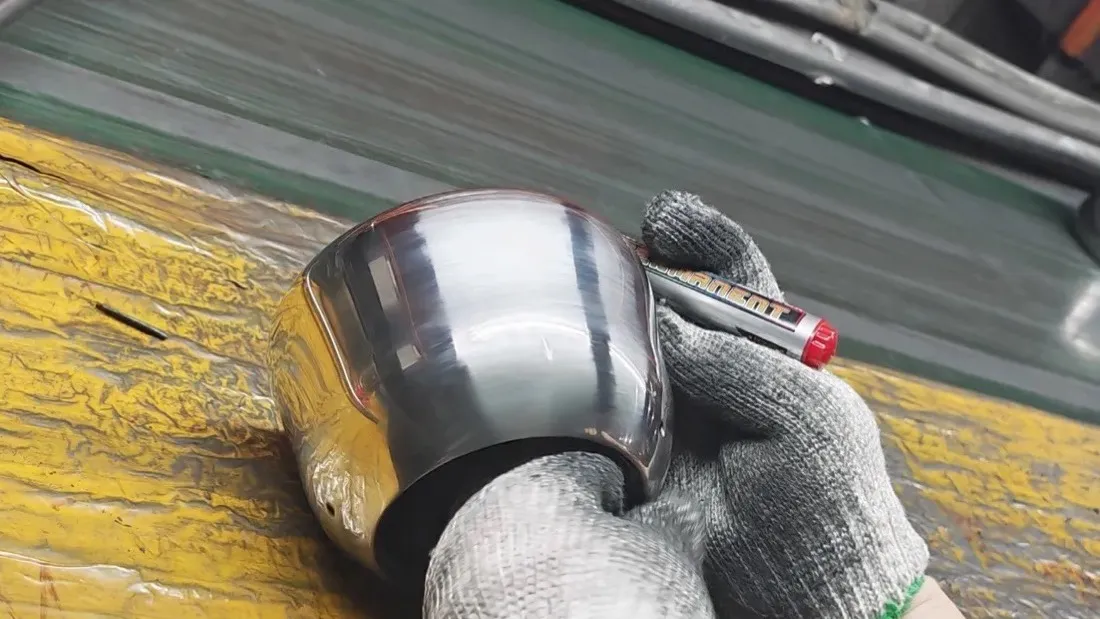
Then test it as your customer will, not as a photographer will. Weigh it. Measure the wall at three points. Boil salted water in it for an hour and look for pitting. Put it on an induction hob if your market uses them. Wash it twenty times. Drop the lid. A sample that survives a fortnight of deliberate abuse is worth more than three rounds of photographs.
Audits, certificates and the three inspection points
Certificates are the part of sourcing most often taken on trust, and the easiest to check properly. Two rules cover most of the risk.
A certificate belongs to an item, a scope and a date. A food-contact report covers a specific article in a specific material — not “our cookware”. A system certificate such as ISO 9001 covers a named legal entity at a named address, and if that address is not where your goods will be made, it does not cover your goods. Read the scope line and the validity date on every document, and ask for the report that names your model.
System certificates and product certificates prove different things. ISO 9001 and ISO 14001 say a management system exists and is audited. BSCI and similar social audits say labour and safety conditions were assessed. FDA, LFGB, EU 1935/2004, GS, CE and SASO/SABER say a product met a standard for a market. Buyers routinely accept one as evidence of the other. They are not interchangeable — we hold both kinds, and we still send the specific report that matches the item being quoted.
Then place your own eyes at three points in the production window:
- Initial production check, at roughly 10% output. Catches the wrong coil, the wrong handle, the wrong print — the errors that are trivial to fix in hour two and catastrophic in week four.
- During production (DUPRO), at 30 to 50%. Catches drift: polish quality falling off, welds wandering, thickness creeping toward the bottom of tolerance.
- Pre-shipment inspection, at 100% produced and at least 80% packed, against a stated AQL. This is the one that matters contractually, and it is the last moment your leverage still exists — after the balance is paid, you are negotiating for goodwill.
Name the inspection body, the AQL levels and who pays for a re-inspection in the contract before production starts. All three are cheap to agree in advance and expensive to argue about while a container waits.
MOQ, payment and what actually moves the price
Minimum order quantity is the term buyers push hardest on and understand least. A factory’s MOQ is not a sales tactic; it is the point at which a line changeover, a coil batch and a print run stop losing money. For an existing model in stock specification, a few hundred pieces is normal. Once your logo, colour, handle or carton is involved, the realistic floor is 1,000 to 1,500 pieces per model — ours is 1,200 — because everything from the coil to the carton is being bought for you alone.
A supplier offering a one-carton minimum on a customised item is almost always a trader selling from stock. That can be exactly what a small brand needs for a market test. It is simply not the same product, and it will not carry the same unit price when you scale.
What genuinely moves a cookware unit price, roughly in order of size:
- Steel grade and gauge. Nickel content drives the coil price, and nickel is a traded commodity — 304 and 201 do not move in step, and neither is fixed for a year.
- Base construction. A bonded composite base is a separate process with its own material stack; it is often the largest single line item after the body.
- Order quantity per model. Not total order value — quantity per model, because that is what amortises the changeover.
- Finish and hardware. Mirror polish, cast handles and custom knobs cost real labour and real tooling.
- Packaging. A printed colour box with a barcode is a supply chain of its own, with its own MOQ.
- Incoterm and freight. FOB, CIF and DDP quotes are not comparable numbers, and a DDP quote silently contains someone’s assumption about duty.
On payment, 30% deposit with the balance against a copy bill of lading remains the industry norm. Letters of credit make sense on larger programmes. Two habits protect you more than either: never pay a balance before your inspection report is in hand, and never pay into an account whose name does not match the company on the contract — payment redirection fraud is the most common loss in this trade, and it arrives as a polite email about a bank change.
Duties, anti-dumping exposure and Incoterm mechanics deserve more room than a pillar can give them; they get their own guides in this cluster.
The calendar you are really buying
Four clocks run in sequence, and only one of them is negotiable. Tooling, if the item is new: three to five weeks. Sampling: 7 to 10 days per round, and two rounds is normal. Production: 30 to 50 working days from approved sample and cleared deposit. Sea freight: about 30 days to Northern Europe, 30 to 40 to the US, less to Southeast Asia and the Gulf.
The clock buyers forget is the one before all of them: your own decision time. In our experience the specification round trip — you send an RFQ, we come back with questions, you consult your customer — is where first programmes lose a month. It is also the only month that costs nothing to save, because the questions are predictable. Answer grade, gauge, base build, packaging and market compliance in the first email and you have bought back four weeks before anyone has quoted.
Two seasonal notes for anyone planning a Q4 launch. Chinese New Year shuts production for two to four weeks between late January and February, and the queue in the weeks before it is the longest of the year. Peak ocean-freight season, roughly August to October, raises rates and lengthens transit. Both are on the calendar years in advance; neither is a reason for a surprise.
Ten things that should stop the order
None of these is proof of bad faith on its own. Any two together are worth a pause, and the last one is worth a full stop:
- A quote arrives with no questions asked about your specification.
- The business licence, or the registered address, cannot be produced.
- Process questions are answered a day later, in generalities.
- Certificates are shown as photographs with the scope line cropped out.
- The price is materially below every other quote against the same spec.
- The sample is beautiful, but nobody will confirm it was made on production tooling.
- A request to seal and sign a golden sample is treated as unusual.
- Third-party inspection is discouraged, or the factory wants to choose the agency.
- Lead times shorten whenever you push, without anything in the plan changing.
- The bank account name does not match the contracting company — stop, and call a number you already had.
Common questions
Is it safe to buy cookware from China?
Safety is a property of the article and its documentation, not of the country. A stainless steel pot is compliant when the finished item passes food-contact migration testing for your market — FDA in the US, LFGB or EU regulation 1935/2004 in Europe, SASO/SABER for Saudi Arabia — and when the certificate names the item you actually ordered. So the question to ask a Chinese supplier is not "is it safe" but "show me the test report for this model, in this grade, issued to this factory". If a supplier cannot produce one at quotation stage, that is the answer.
How do I check whether a Chinese supplier is a real factory?
Three checks settle it cheaply. First, ask for the business licence and read the scope of business and the registered address: a manufacturer lists production, a trader lists trade. Second, put a process question that only production can answer — press tonnage, base bonding method, whether the mould shop is in-house — and see whether the reply comes back in hours or after an overnight round trip. Third, ask for a video walk of the line making your product type, unedited, in one take. A third-party audit or your own visit confirms it; those three questions filter the list before you spend on either.
What is a normal MOQ for stainless steel cookware?
For an existing model with no customisation, a few hundred pieces is common. Once your own logo, colour, packaging or handle is involved, the realistic floor is around 1,000 to 1,500 pieces per model — ours is 1,200 — because the factory is setting up a line, buying a coil batch and printing cartons for you alone. A supplier who offers "one carton" MOQ on a customised item is usually a trader reselling stock, which is a different product with a different price and a different lead time.
How long does it take to produce cookware in China?
Plan on 7 to 10 days for samples, then 30 to 50 working days for production once the sample is approved and the deposit has landed. New tooling adds 3 to 5 weeks before sampling can start. Sea freight adds roughly 30 to 40 days to Europe or the US East Coast. From first enquiry to goods on your shelf, a first order with customisation is a four to six month calendar — which is why the specification argument is worth having in week one rather than week twelve.
Written by
Potobelo Editorial Team
Sourcing and engineering staff at Potobelo, a stainless steel cookware brand built on 30 years of Zoombo manufacturing in Guangdong, China. We write from inside the plant that makes the product, not from reviewing it.