
Stainless Steel Cookware Grades: A Complete Guide for Buyers
Every cookware quotation you receive names a grade. Very few explain what changes when it moves. This is the version we would give a buyer sitting in our own meeting room: what the numbers mean, where each grade genuinely belongs, and how to check that the metal in the container is the metal on the purchase order.
 Potobelo Editorial Team11 min read
What the grade numbers actually mean
Stainless steel is steel with at least about 10.5% chromium. The chromium reacts with oxygen and forms an invisible, self-repairing oxide film on the surface. That film, not the steel underneath, is what resists rust. Everything in a discussion of stainless steel cookware grades comes back to how well that film survives heat, acid, salt and abrasion.
The three-digit numbers come from the AISI system. Two families matter in a kitchen:
- 300 series (austenitic). Chromium plus nickel. Nickel stabilises a crystal structure that is tough, deep-drawable and, in its annealed state, non-magnetic. 304 and 316 live here.
- 400 series (ferritic). Chromium, essentially no nickel. Cheaper, magnetic, less formable, less corrosion resistant. 430 lives here and does an important job that 304 cannot do.
A useful single number for comparing corrosion resistance is the pitting resistance equivalent: PREN = %Cr + 3.3 x %Mo + 16 x %N. It is a rule of thumb from the process industries rather than a cookware standard, but it explains the ranking below better than any brochure adjective.
The four grades you will be quoted
Ninety-something percent of stainless cookware quotations resolve to these four. Ranges are the standard composition bands, not a specific mill’s heat.
Grade | Chromium | Nickel | Family | Magnetic | Where it belongs in cookware |
|---|---|---|---|---|---|
201 | 16 to 18% | 3.5 to 5.5% | Austenitic | No (weakly after forming) | Price-led lines, lids, outer bodies, dry-goods vessels |
304 | 18 to 20% | 8 to 10.5% | Austenitic | No (weakly after forming) | The default cooking surface: pots, pans, kettles, pressure cookers |
316 | 16 to 18% | 10 to 14% | Austenitic (+2 to 3% Mo) | No | Specialist and contractual requirements only |
430 | 16 to 18% | None | Ferritic | Yes | Induction base caps, lids, cutlery, trim |
The honest summary of that table: 304 is the grade a cooking surface should be unless there is a specific reason otherwise. It has enough chromium and enough nickel to keep the passive film intact through tomato sauce, brine, dishwashers and years of scouring, and it draws deeply enough to press a one-piece body without tearing.
201 deserves a fairer hearing than it usually gets. It is a legitimate ASTM grade. It substitutes manganese and nitrogen for part of the nickel, which is why it costs less and why it is measurably less resistant to pitting. On a lid, an outer shell, a storage vessel or a value line sold into a dry-cooking market, that trade can be exactly right. On the inside of a stockpot that will hold salted water for hours, it is not. We build in both grades, and which one goes on the drawing is a decision we make with the buyer, per model, on the record.
A grade is not a quality tier. It is a set of properties with a price attached. The mistake is not specifying 201; the mistake is specifying it for a duty it was never meant to do.
316 is where a lot of import specifications quietly waste money. The molybdenum addition targets chloride pitting: seawater, brine processing, chemical plant. A domestic pan never sees that environment. Unless a customer contract or a specific commercial application asks for 316 by name, 304 does the job at a materially lower cost per unit.
Why the same steel is sold as 18/10, 18/8 and 304
18/10, 18/8 and 18/0 are not separate standards. They are a shorthand for chromium and nickel percentages that the tableware trade adopted long before AISI numbers appeared on consumer packaging:
- 18/10 — about 18% chromium, about 10% nickel. In practice, 304 sitting at the upper end of its nickel band.
- 18/8 — about 18% chromium, about 8% nickel. Also 304, lower in the same band.
- 18/0 — about 18% chromium, no nickel. In practice, ferritic 430.
So “18/10 versus 304” is not a real comparison, and a supplier who presents 18/10 as a step above 304 is selling a naming convention. What the notation does give you is a marketing register your retail customers already recognise. Plenty of our private label programmes print 18/10 on the box and 304 on the spec sheet, which is accurate in both places.
The one thing to insist on: if the carton says 18/10, the mill certificate should show nickel at or above 10%. That is a checkable claim, and it is the kind of detail a market surveillance authority will check for you if you do not.
Magnetism, induction and the magnet test
The oldest test in the trade is to stick a magnet on a pan. It is also the most misread. Here is what it can and cannot tell you.
Austenitic grades such as 304 are non-magnetic when annealed. But deep drawing and spinning deform the crystal structure, and a cold-worked 304 body can pick up a noticeable magnetic response, particularly around the corner radius where the metal worked hardest. A slightly magnetic pot is not proof of a cheap grade.
In the other direction, a strongly magnetic base is not proof of a bad pot either. It is usually proof of a good one. Induction hobs need a ferromagnetic layer to couple to, and since 304 is a poor match, almost every induction-capable stainless pot on the market has a ferritic 430 cap on its base. The base is magnetic because it was designed to be.
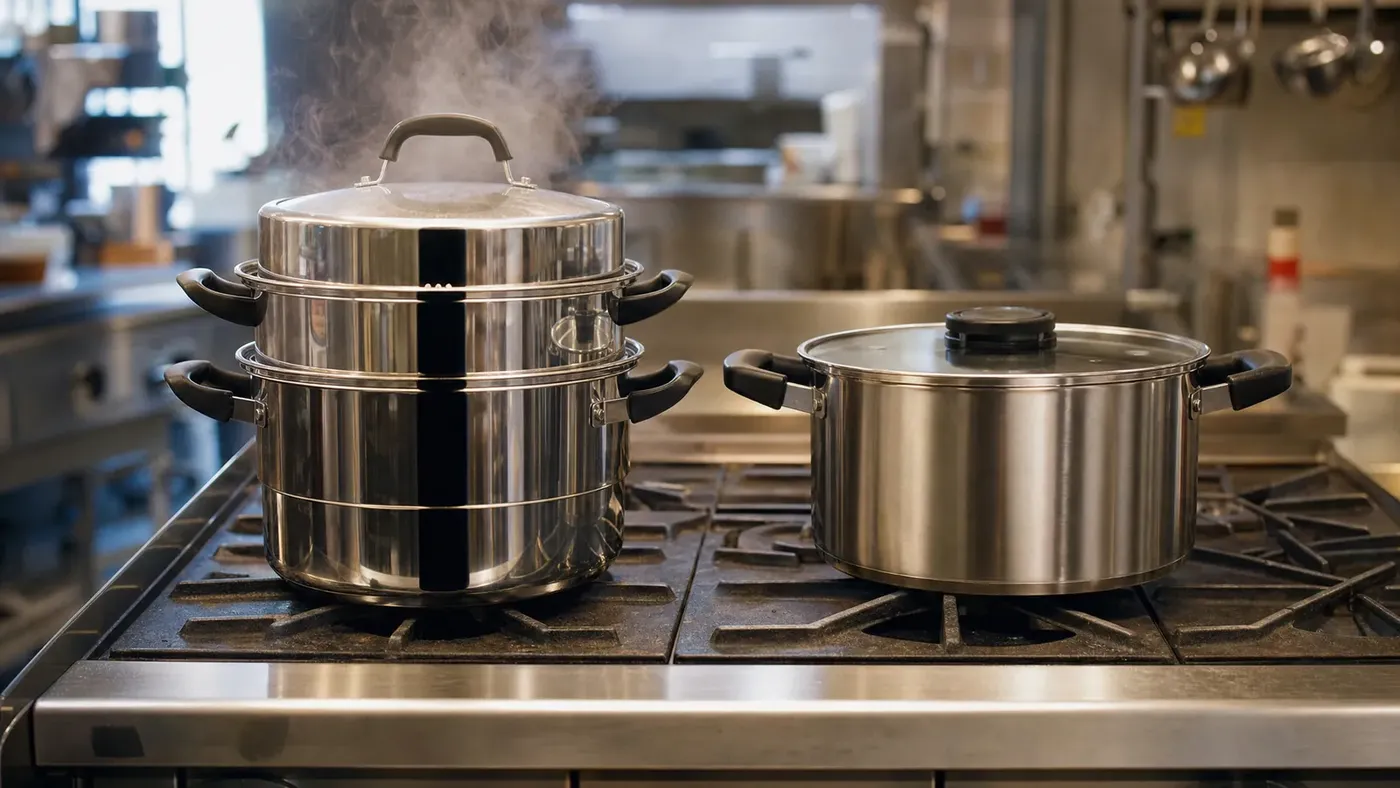
What the magnet genuinely rules out is nothing at all about 201 versus 304, because both are austenitic and both respond the same way to forming. If someone tells you the magnet test distinguishes those two grades, they have not tested it. Use an analyser (see verification below).
One pot, several grades: body, base and hardware
This is the single most common gap between what a buyer thinks they specified and what arrives. A finished piece of cookware is an assembly, and the parts are quoted separately:
- Body. The drawn or spun vessel. This is the grade almost every quotation names, and the only one many name.
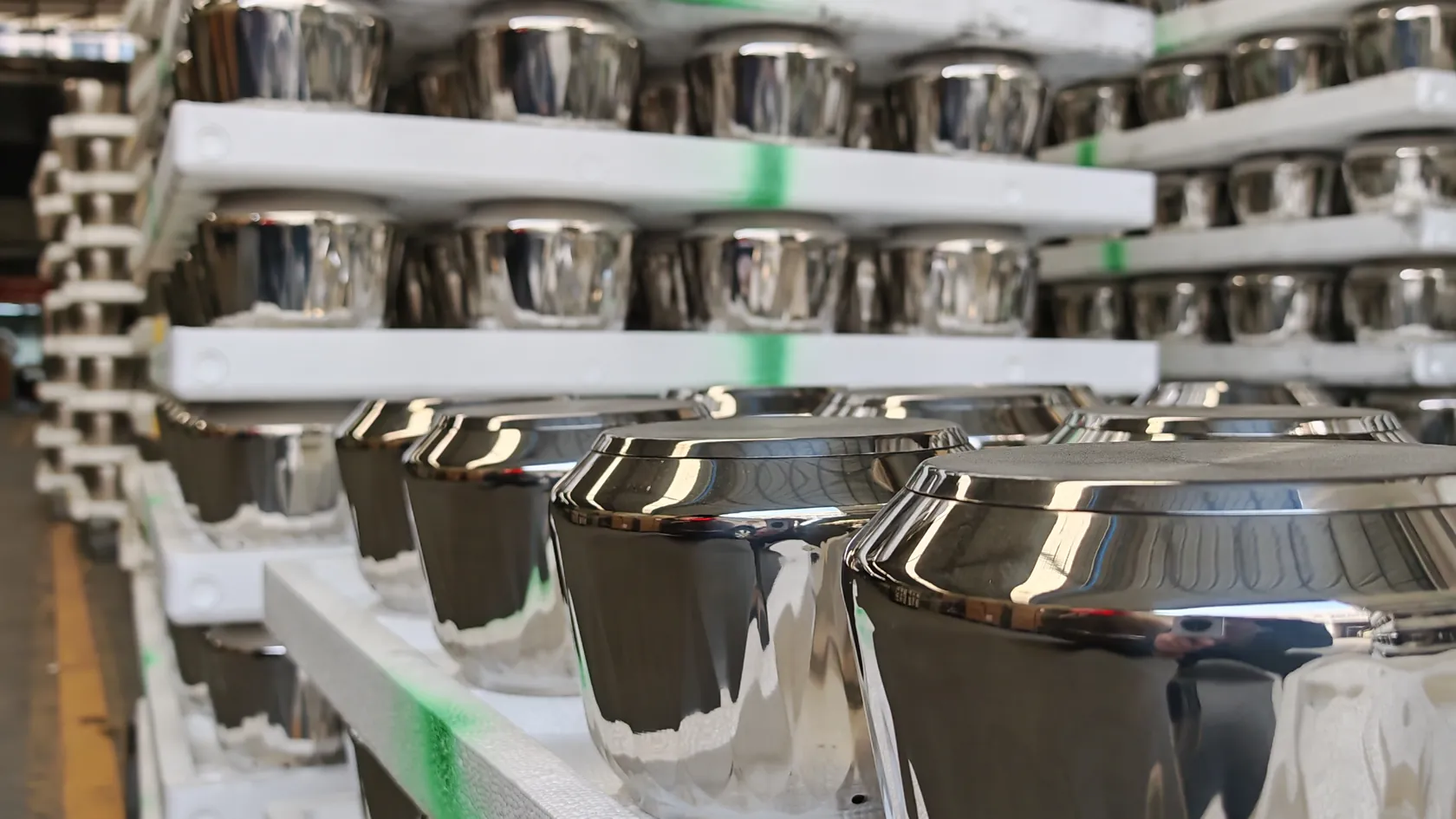
- Base. On an all-cooktop pot this is a sandwich: the 304 body, an aluminium disc for heat spread, and a 430 outer cap for induction, pressed together under high force. In the trade this is an impact-bonded or composite base. The aluminium never touches food; it sits fully encapsulated between two steel layers.
- Hardware. Handles, rivets, lid knobs, steam valves, whistles. Rivets in particular sit in contact with food and are a classic place for a cheaper grade to appear without ever being mentioned.
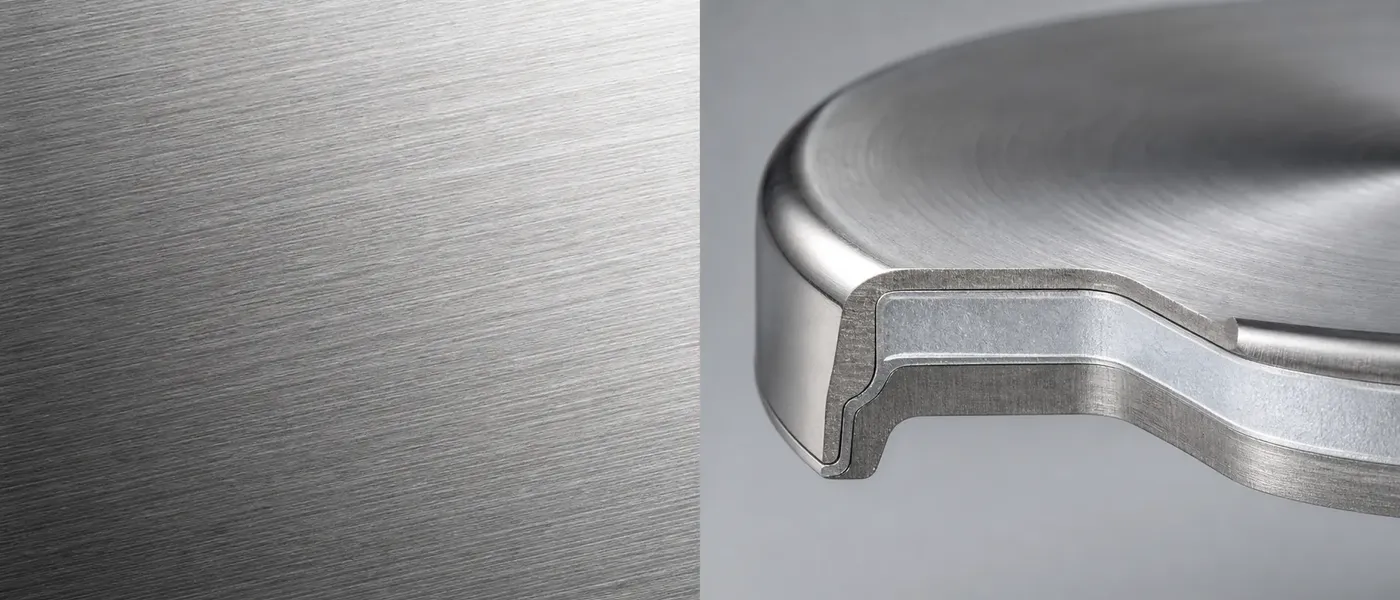
Full-clad construction, where the aluminium layer runs up the side walls rather than stopping at the base, is a different and more expensive build. Both are legitimate. They are not interchangeable in a quotation, and “multi-layer base” on its own does not tell you which one you are getting.
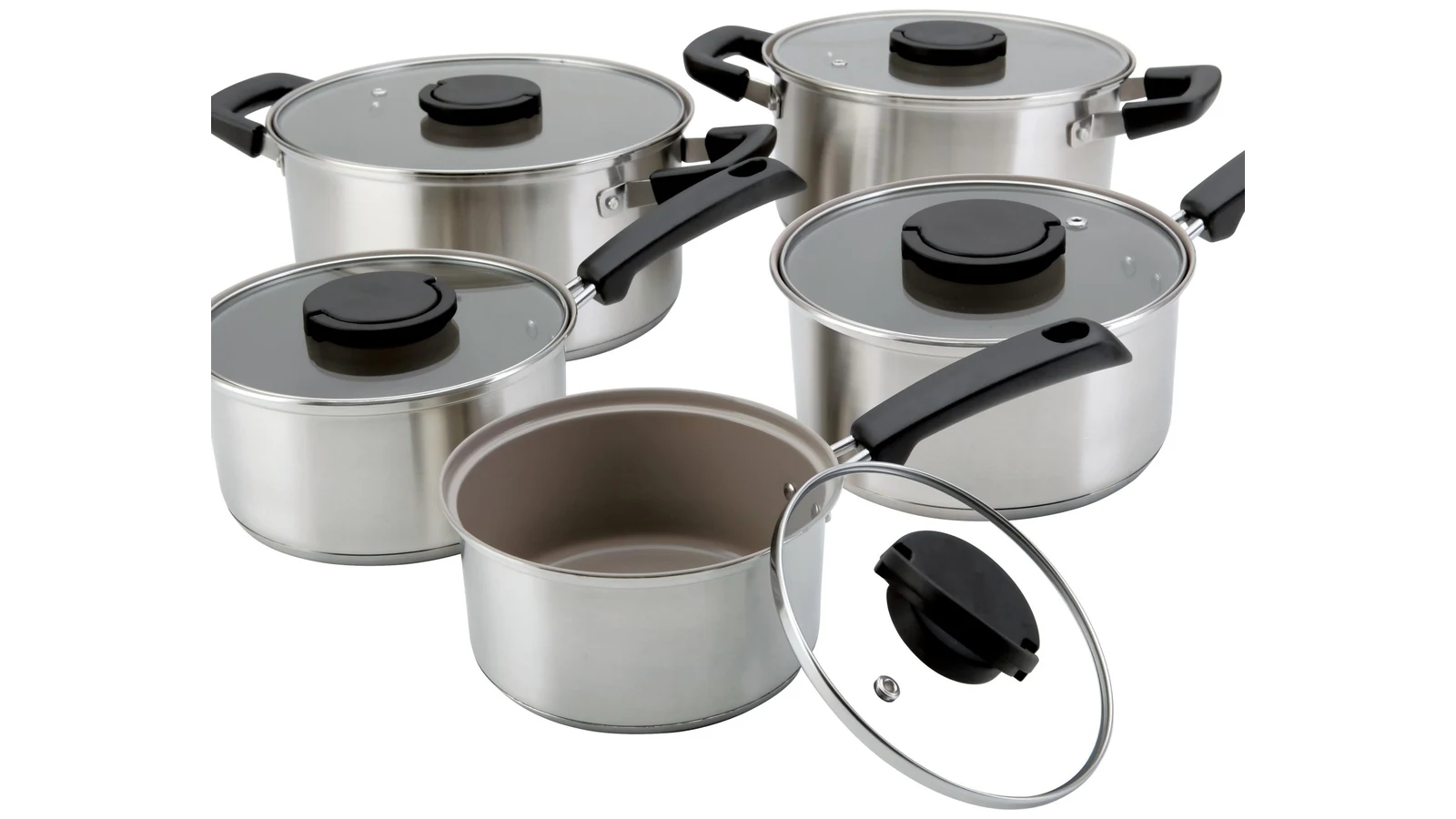
For reference, our own lines run composite multi-layer bases for all-cooktop compatibility across pressure cookers, kettles, saucepans and steamers. You can see the construction called out per range in the product catalogue.
Grade without gauge is half a spec
Two quotations can both say 304 and differ by a third in cost, weight and feel. The variable is gauge, the thickness of the steel, usually given in millimetres for the body and separately for the base sandwich.
Thicker steel resists denting, holds its shape at the rim, warps less on a fierce burner and simply feels more expensive in a customer’s hand. It also costs more per piece and adds freight weight to every container. There is no universally correct number: a budget line and a premium line are supposed to sit at different gauges. What is not acceptable is a spec sheet that omits it, because that is the number a supplier can quietly shave between the golden sample and the third production run.
Ask for body gauge and total base thickness as separate figures, and get them written into the specification you sign, not the email thread you agreed them in.
What the grade does to your unit price
Nickel is the expensive element in the recipe, and it is a traded commodity. That single fact explains most of the price behaviour buyers find confusing:
- 201 is cheaper than 304 mainly because it contains less nickel. The gap is not a fixed percentage. It widens when nickel is expensive and narrows when it is not.
- Your quotation has a shelf life. When a supplier holds a stainless price open for a long window, they are either carrying the raw-material risk for you or they have already priced the worst case into the number.
- 316 carries both more nickel and molybdenum. It is the largest step in the table, and in cookware it usually buys performance the product will never use.
The practical move for a buyer planning a season is to fix the grade and gauge first, then negotiate the commercial terms around a known material basket. Changing grade mid-programme to chase a price is how a product line ends up with two visibly different batches on the same shelf.
How to verify what you were actually shipped
Specification is a claim. These are the four ways to turn it into evidence, in ascending order of effort:
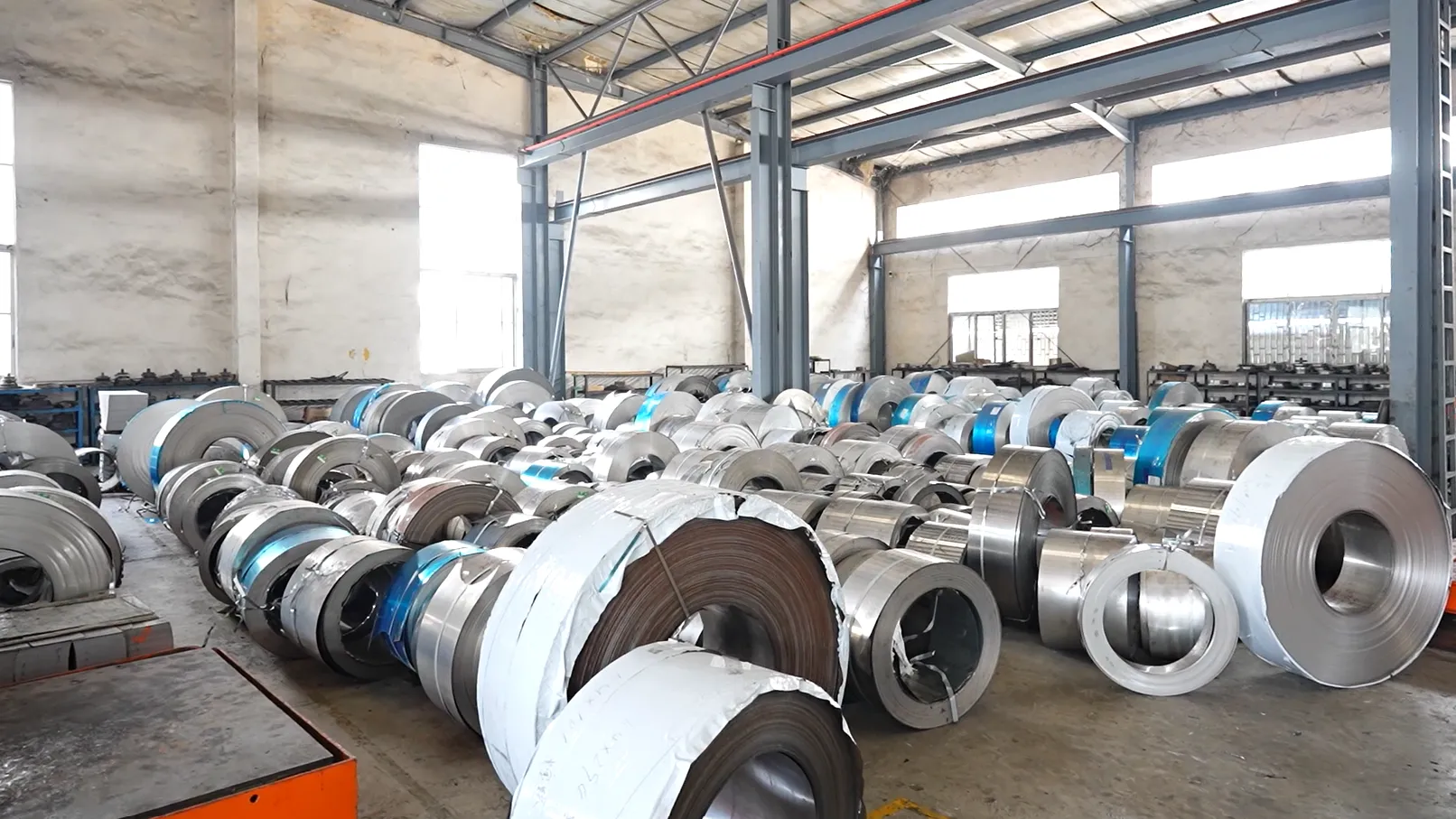
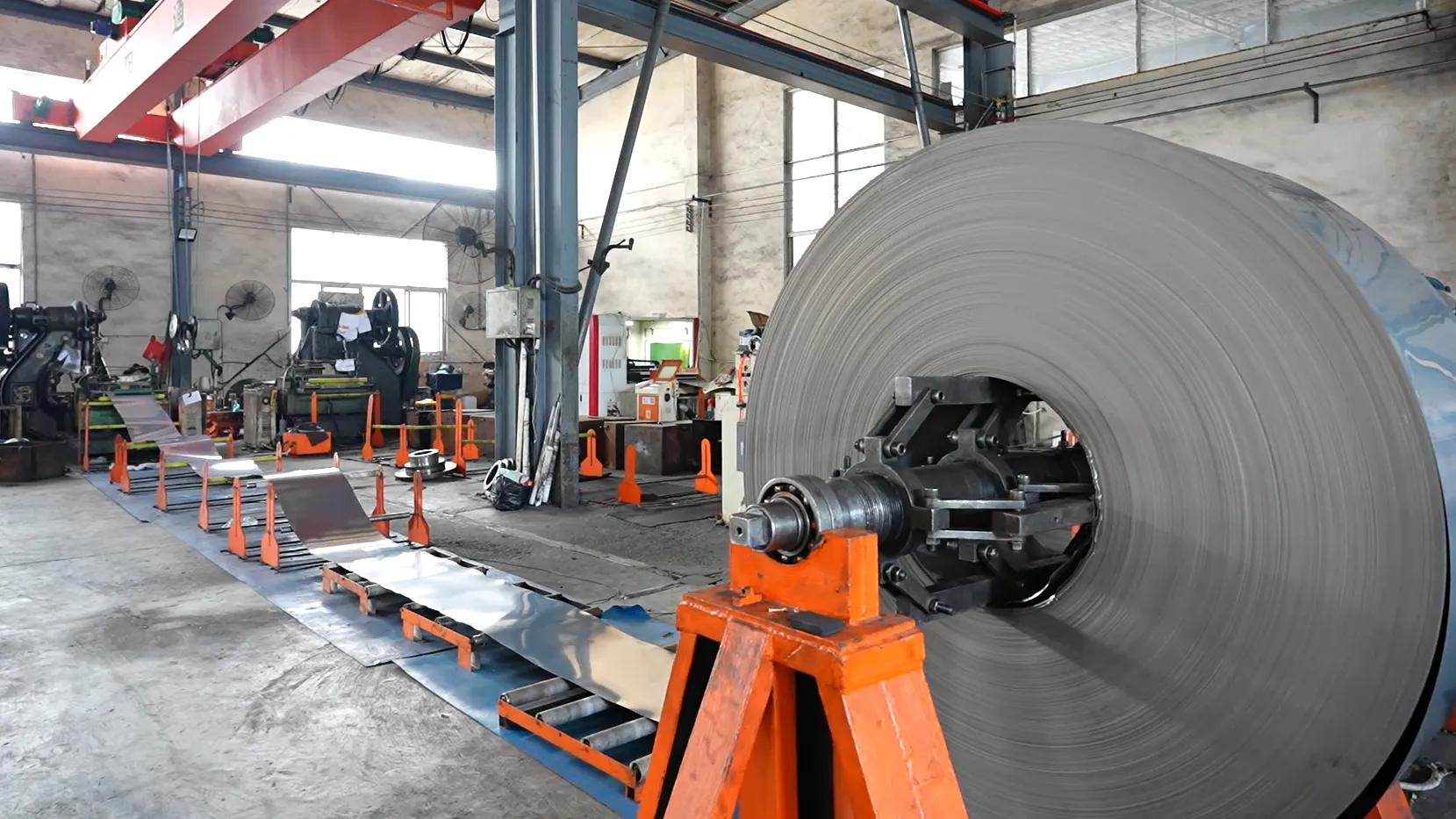
- Mill certificate. The steel mill’s certificate for the coil, listing the heat number and the measured composition. Ask which production batch it covers; a certificate for a different heat than the one your goods were pressed from proves nothing.
- Handheld XRF or PMI analyser. Reads chromium, nickel and molybdenum from the finished part in seconds and separates 201, 304, 316 and 430 conclusively. Any competent third-party inspection agency carries one; it is a normal line item on a pre-shipment inspection. Note that XRF cannot read carbon, so it will not distinguish 304 from 304L.
- Chemical spot tests. Inexpensive kits give a colour reaction for nickel or molybdenum. Cruder than XRF, but they travel in a pocket and settle a 304-versus-430 argument on a factory floor.
- Food-contact migration testing. The test that actually matters to a regulator: a finished article held against a food simulant, with metal release measured. This is what an FDA or LFGB report on a cookware item covers, and it is article-level evidence rather than a claim about the coil. Our own reports are published on the certificates page.
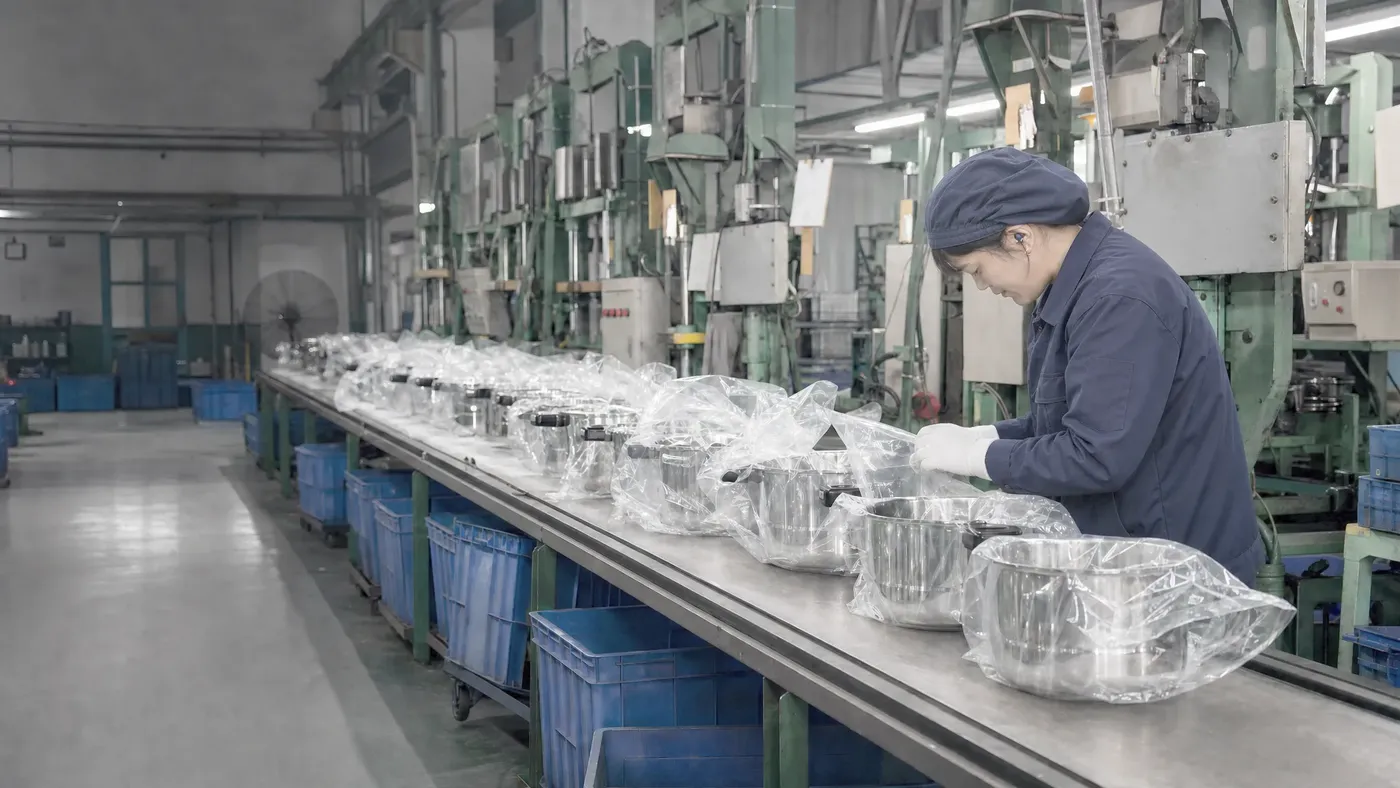
Two habits make all four cheaper: ask at quotation stage rather than after shipment, and name the verification method in the contract so nobody is negotiating about it while a container waits. Where those two habits sit in the wider buying process — shortlisting, qualifying a supplier, sampling, inspection points — is laid out in our guide to sourcing cookware from China.
Putting it on your spec sheet
A grade line that leaves no room for interpretation looks something like this. Copy it, change the numbers to suit the line you are building, and require the supplier to confirm it back item by item:
Body material | AISI 304 (18/8 minimum), food-contact grade, no coating |
|---|---|
Body gauge | 0.6 mm nominal, measured at side wall |
Base construction | Impact-bonded composite: 304 inner / aluminium core / 430 induction cap, total thickness 4.5 mm |
Hardware | Rivets and steam valve in 304; handles bakelite, heat resistant |
Documentation | Mill certificate per heat; XRF check at pre-shipment inspection |
Compliance | Food-contact test report valid for the destination market |
If a supplier cannot answer every row of that table before tooling starts, the answer will not improve after it does.
For what it is worth, this is the same conversation we have with every OEM programme before a drawing is released: grade per part, gauge per part, base build, hardware, and the document set that proves it. Minimum order on our own moulds starts at 1,200 pieces per model, samples run 7 to 10 days, and production 30 to 50 working days, so the grade decision is made once and then lived with for a season. It is worth the hour it takes.
Common questions
Is 304 or 316 stainless steel better for cookware?
304 is the right default for cookware. 316 adds 2 to 3 percent molybdenum, which buys resistance to chloride pitting — valuable in marine hardware, brewing and lab equipment, and largely wasted on a stockpot that gets washed and dried after every use. 316 also costs meaningfully more per tonne. Specify 316 when your product is going into commercial kitchens with heavy salt-brine use, or when a customer contractually asks for it; otherwise 304 is the grade that matches the duty.
How can I tell if a pot is 304 or 316 stainless steel?
Not by eye, and not with a magnet: both are austenitic and both look and behave the same in a kitchen. The reliable checks are a handheld XRF or PMI analyser, which reads chromium, nickel and molybdenum in seconds, and a molybdenum spot-test kit, which gives a colour reaction only on 316. Paper evidence is the mill certificate for the coil the batch was pressed from. Ask for the certificate at quotation stage, not after the container ships.
Which grade of stainless steel is safest for food contact?
All of 201, 304 and 316 can be made compliant with food-contact regulation — safety is set by the finished article passing migration testing under FDA rules, LFGB in Germany or the EU framework regulation 1935/2004, not by the grade number alone. What the grade changes is the margin: higher chromium and nickel resist the pitting and surface attack that increase metal release over years of acidic cooking. For a cooking surface that will meet acid, heat and abrasion daily, 304 is the grade with the sensible margin.
Is 18/0 stainless steel the same as 430?
In practice, yes. 18/0 means roughly 18 percent chromium and no nickel, which describes ferritic 430. It is magnetic, cheaper than 304 and perfectly good for induction base caps, cutlery bodies and lids. It is more prone to rust spotting than 304, so it is the wrong choice for a cooking surface that sits in salted water.
Written by
Potobelo Editorial Team
Sourcing and engineering staff at Potobelo, a stainless steel cookware brand built on 30 years of Zoombo manufacturing in Guangdong, China. We write from inside the plant that makes the product, not from reviewing it.