

Materials & Construction
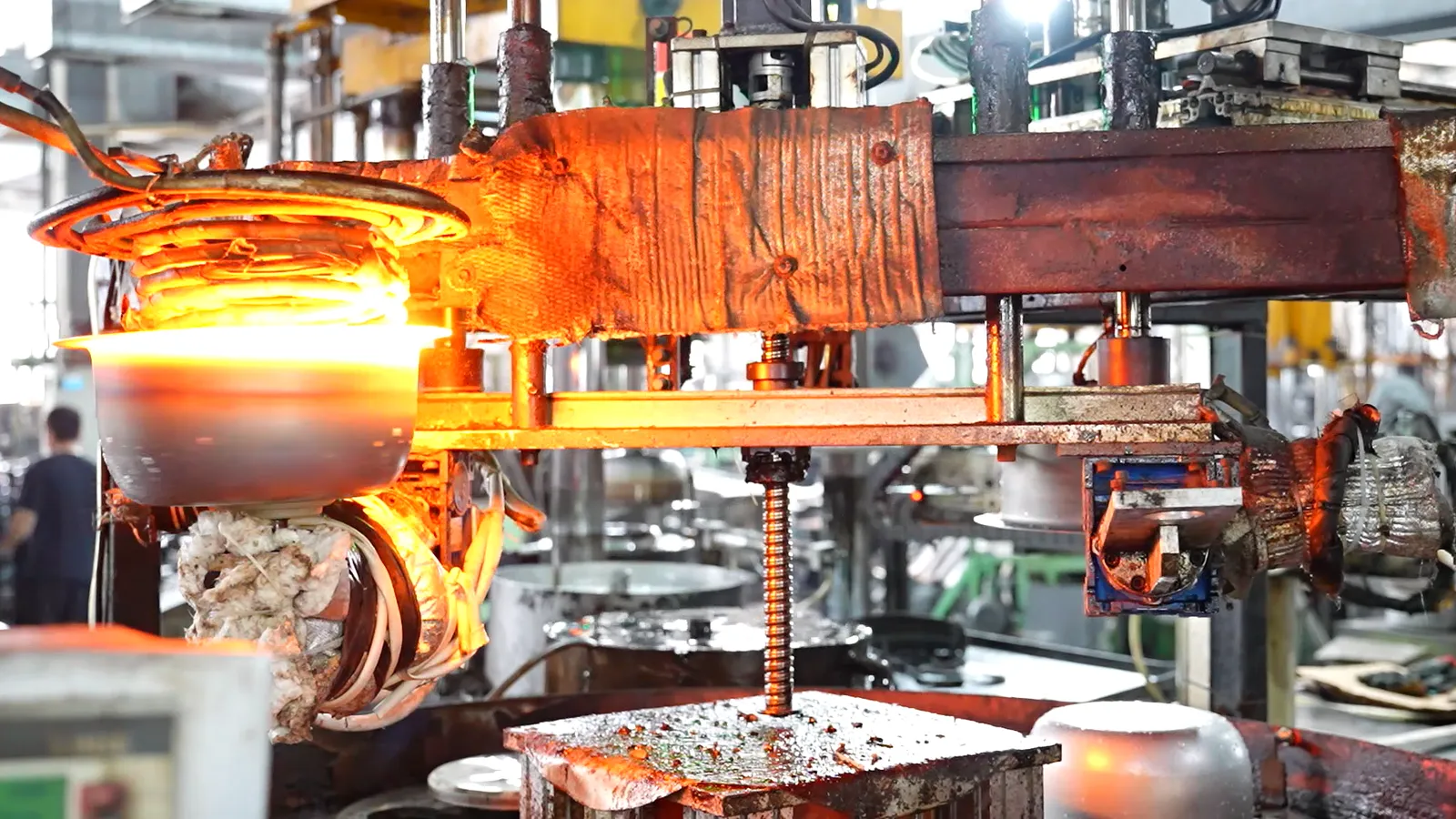
Impact Bonded Cookware: What the Base Spec Means
An impact-bonded base is an aluminium disc pressed into a single-wall pan, not a clad wall. What the spec must carry, how the bond fails, and how to test it.

Author
Sourcing and engineering staff at Potobelo, a stainless steel cookware brand built on 30 years of Zoombo manufacturing in Guangdong, China. We write from inside the plant that makes the product, not from reviewing it.
Every guide here is written by the people who run the process it describes, checked against the plant’s own tolerances and test reports before it publishes, and illustrated with photographs of our own lines rather than stock. Where we do not know something — another factory’s costs, a market we have not shipped into — we say so instead of estimating.
Materials & Construction
An impact-bonded base is an aluminium disc pressed into a single-wall pan, not a clad wall. What the spec must carry, how the bond fails, and how to test it.
Wholesale & Product Line
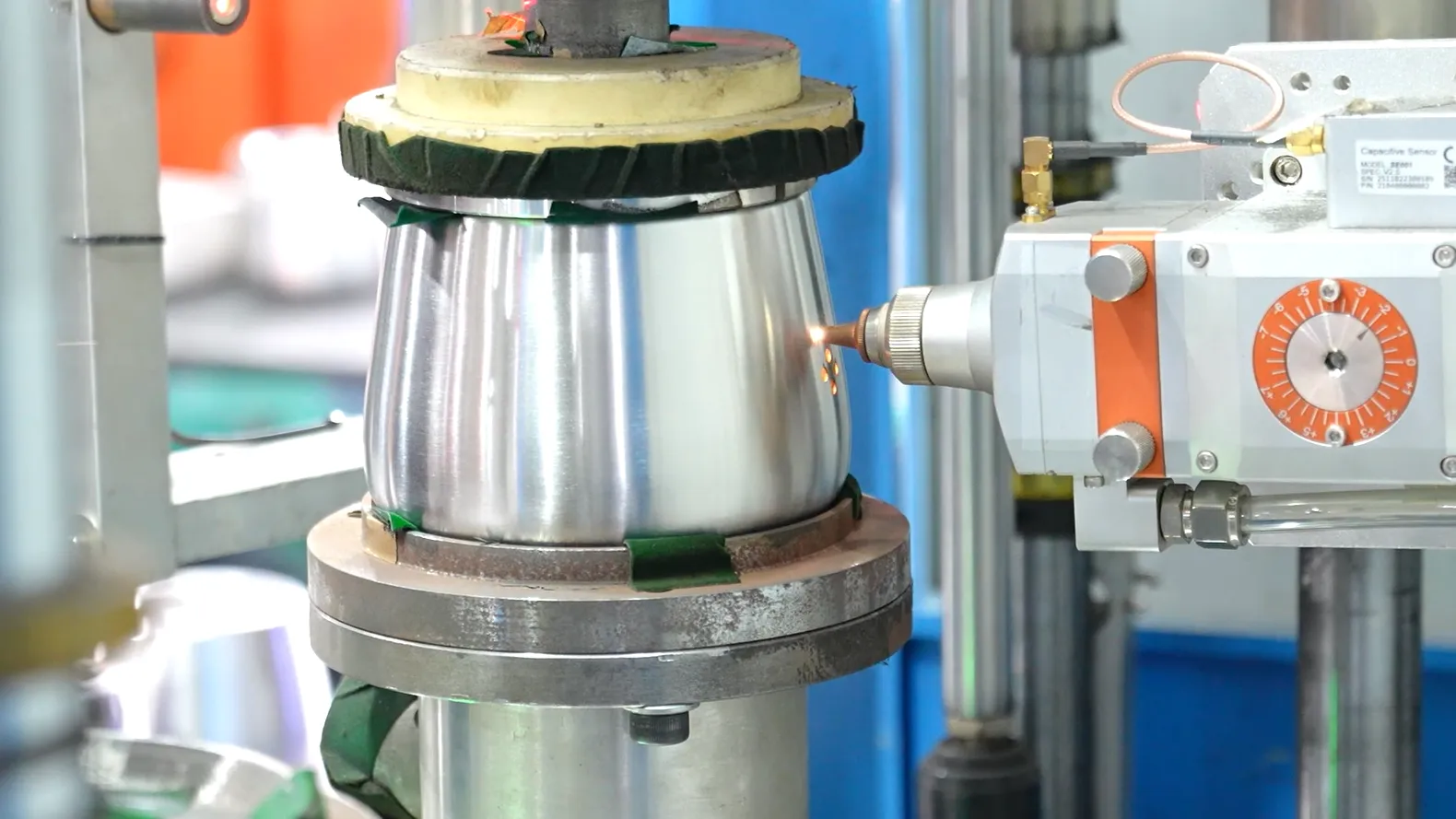
Kitchenware trends for 2026 are replacement-led and price-tiered: stock induction-ready bases, nesting shapes and lighter packaging, and buy fewer SKUs deeper.
Sourcing & Supplier Vetting
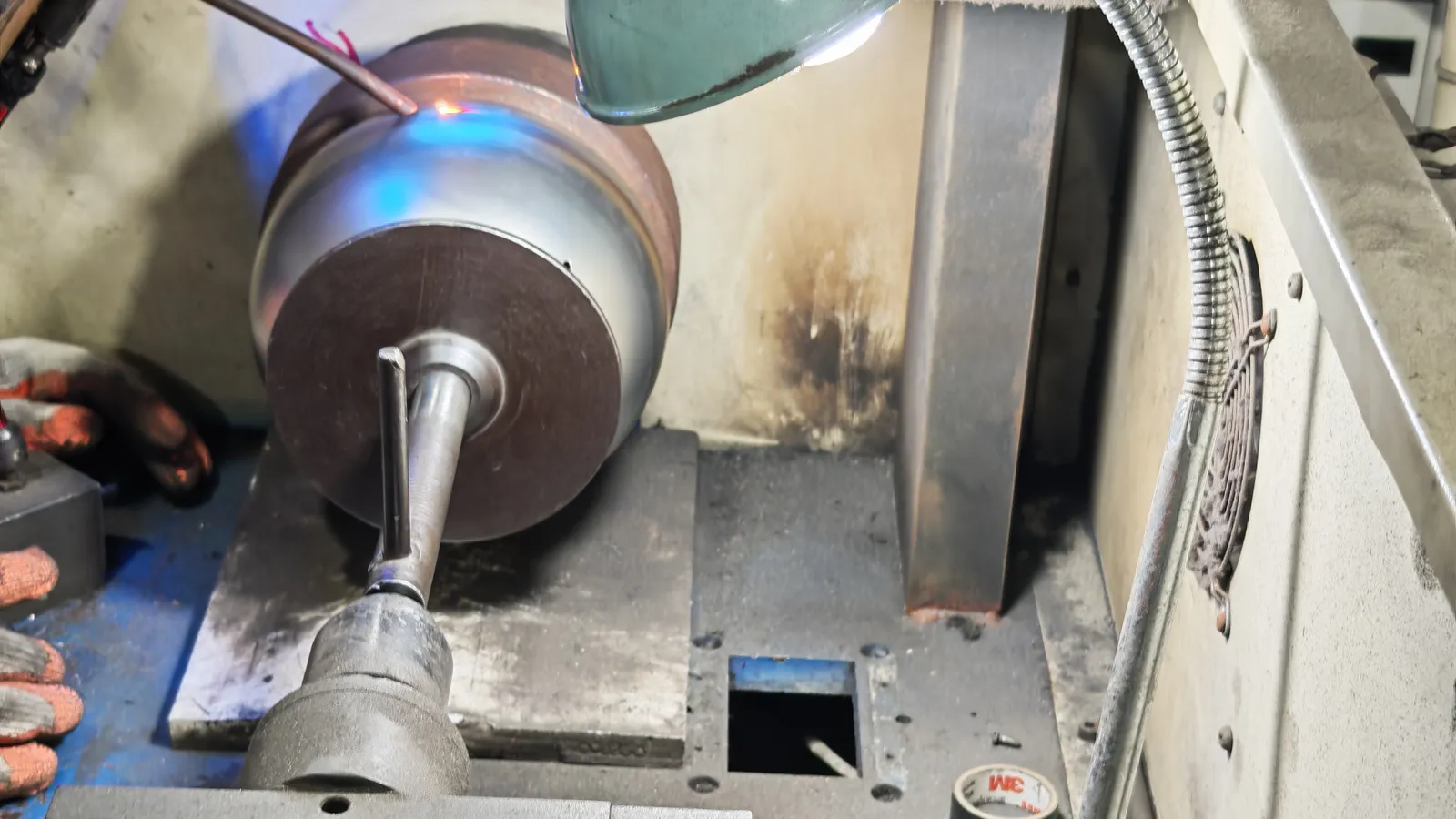
China sourcing mistakes in cookware are rarely fraud. They are blanks in the buyer's documents: nine failures, what each costs, and the check that closes it.
Materials & Construction
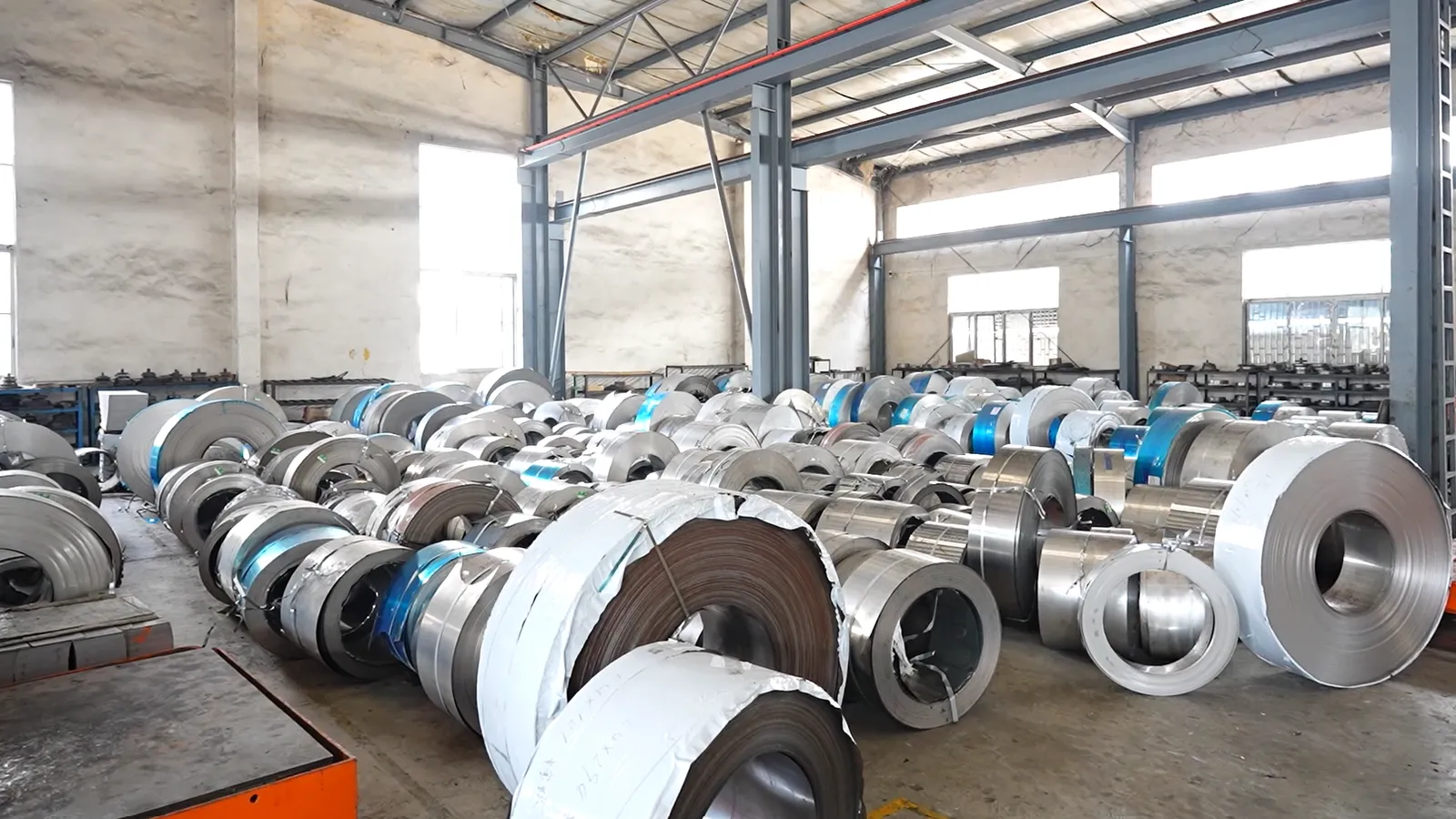
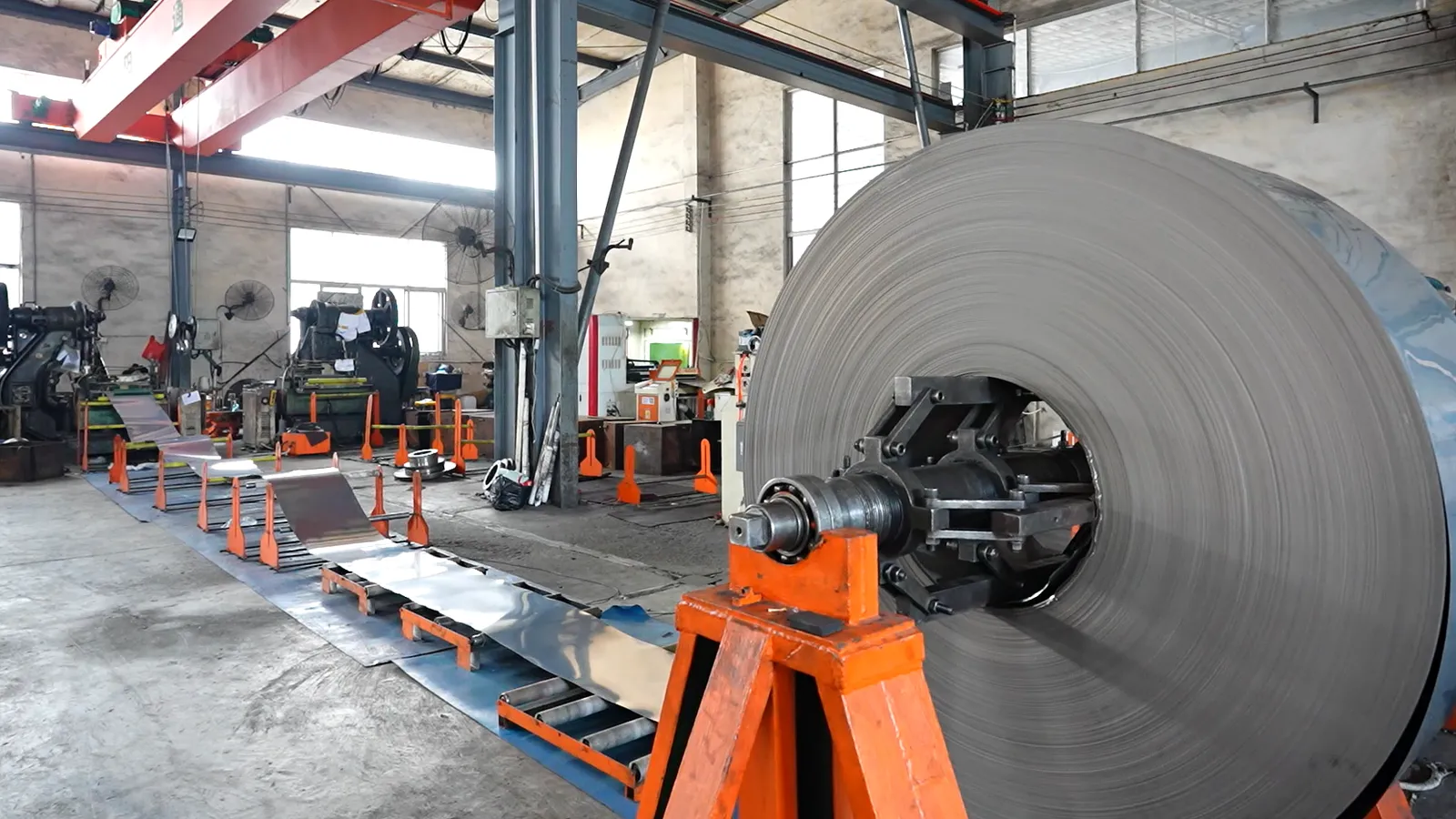
A stainless steel cookware manufacturing process runs through nine stages, and four of them set your unit price. What each stage decides, and what to ask.
Sourcing & Supplier Vetting
Landed cost per unit is the factory price plus freight, duty, fees and finance, divided by sellable pieces. The biggest of those blocks is never opened.
Materials & Construction
Induction heats a magnetic layer, not the pot — except in a solid 430 body. Why 304 stays cold, how a 430 base bonds, and what makes a claim checkable.
Wholesale & Product Line
Sets and open stock are two distribution machines, not two pack formats. How to pick one, kit both from a single run, and price the choice you actually make.
Wholesale & Product Line
A HoReCa supplier sells into four different buying environments, not one. What hotels, restaurants, cafés and caterers order, what fails first, and the spec.
Sourcing & Supplier Vetting
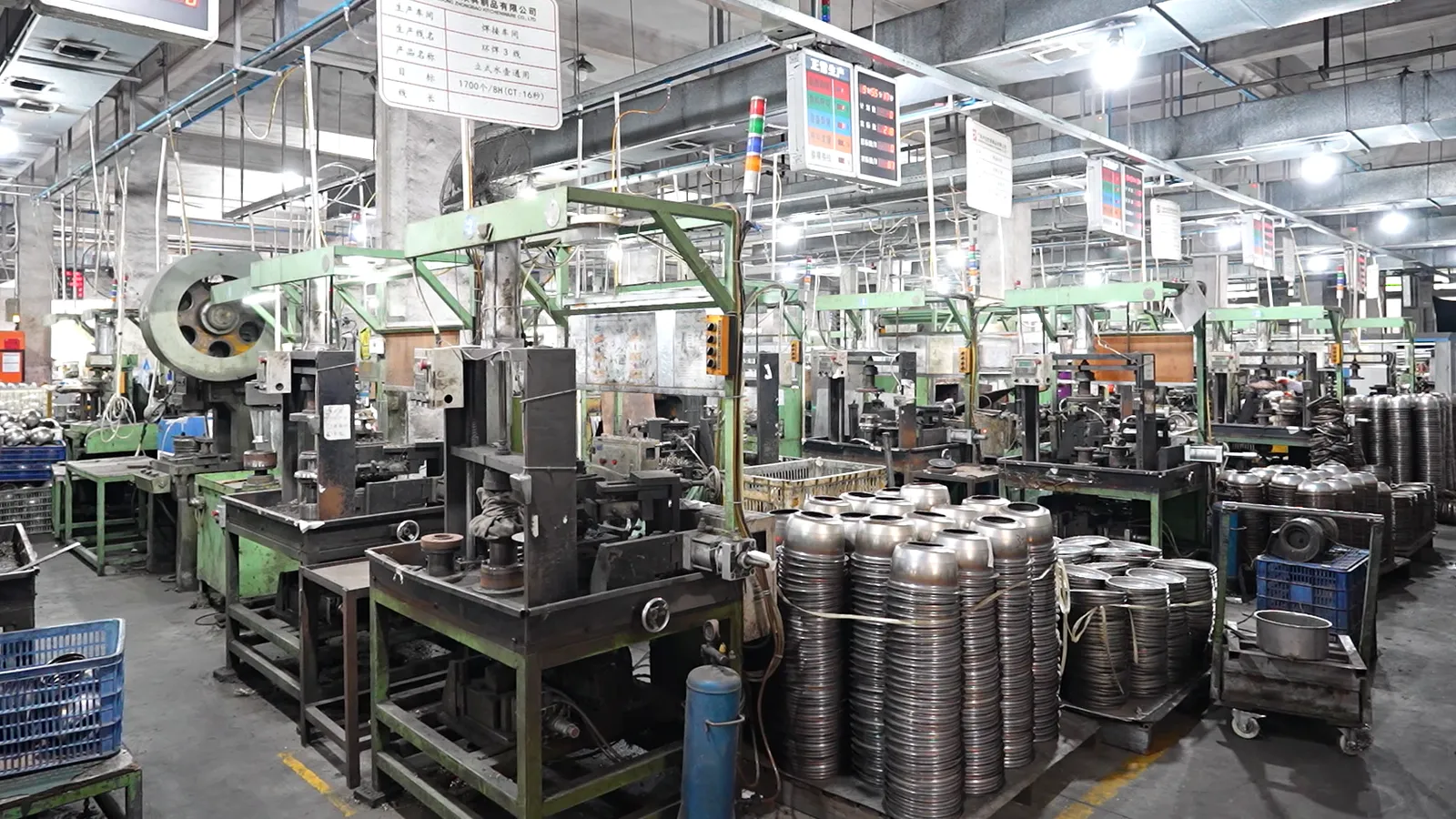
MOQ means minimum order quantity. Why a higher minimum can cut your landed cost per unit, through line changeover and coil batches, and what 1,200 pcs covers.
Materials & Construction
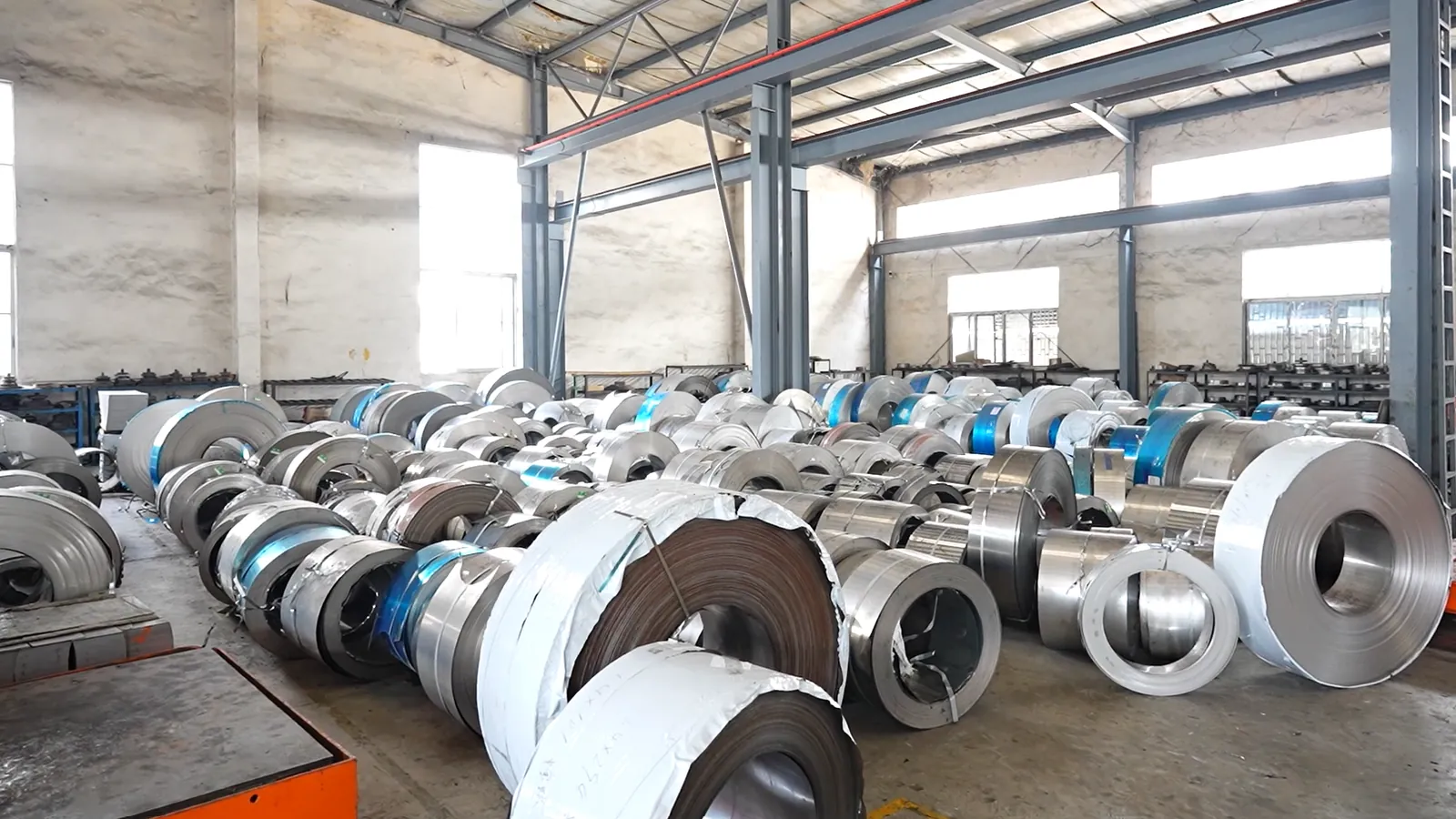
Food grade is a claim, not a certificate. What a mill certificate, a migration test report and a market declaration each prove — and where each one stops.
Wholesale & Product Line
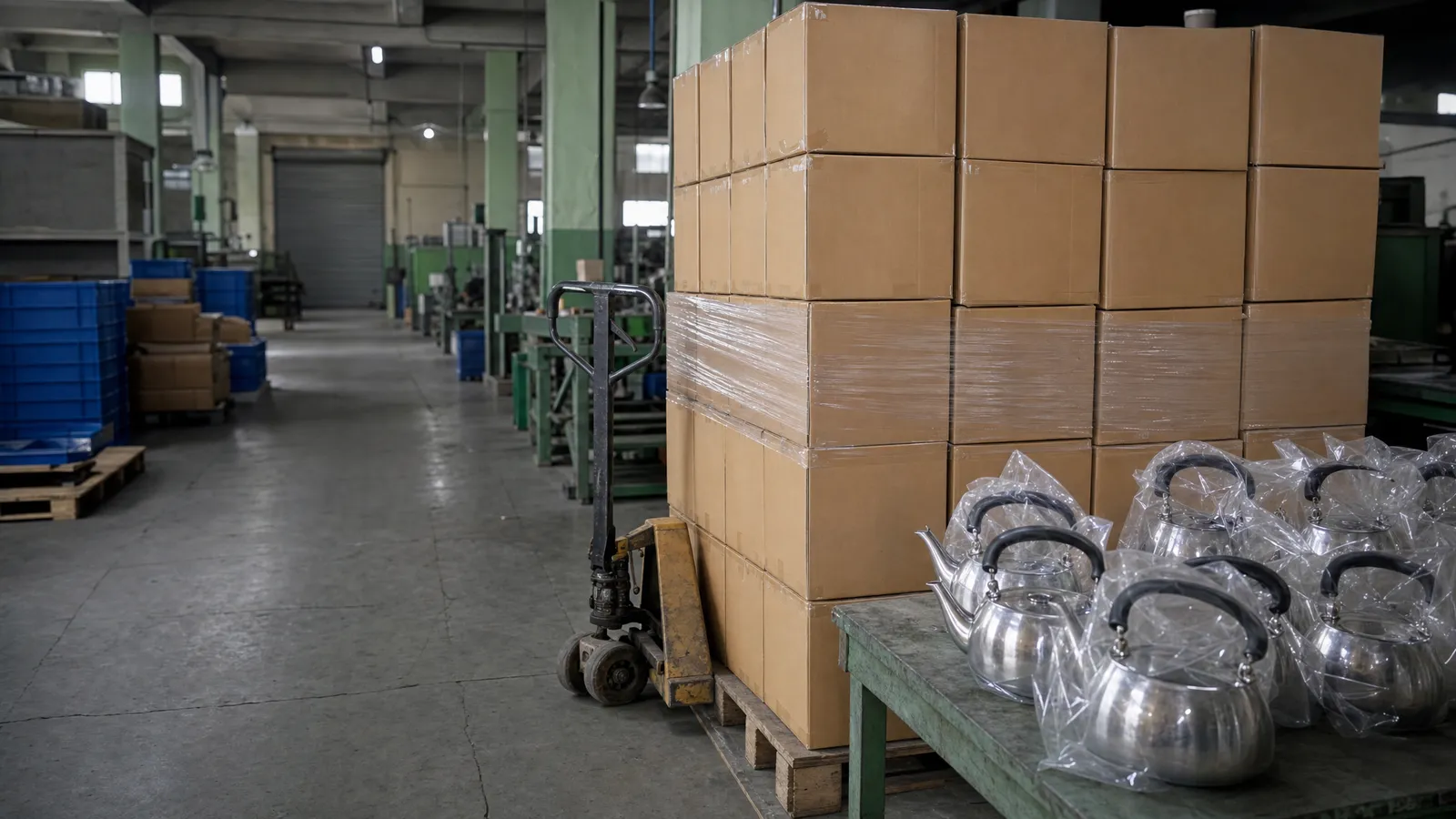
A mixed container is an engineering problem, not a freight discount. How to combine cookware SKUs, calculate the cube you can use, and document each one.
Sourcing & Supplier Vetting
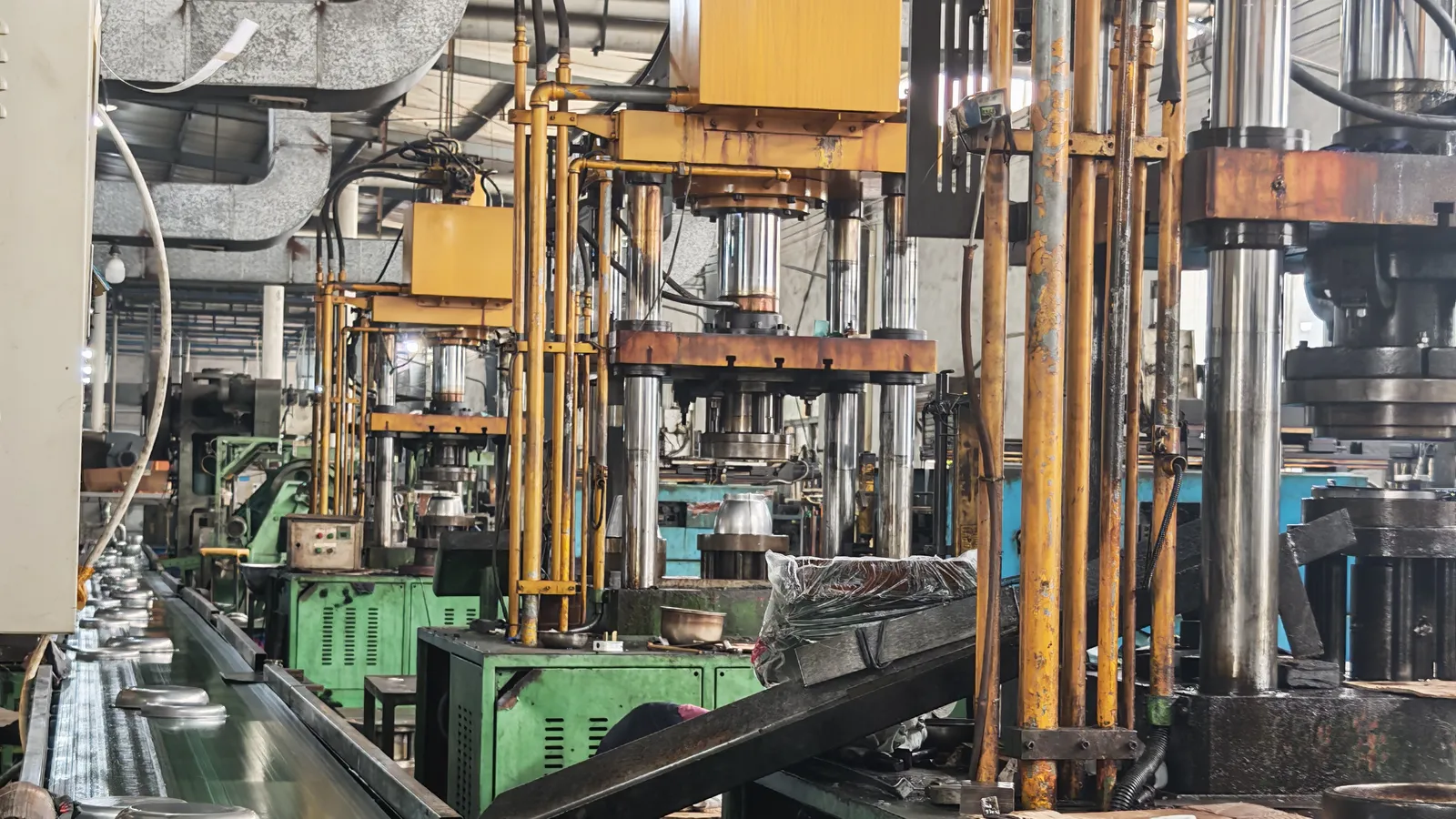
A factory audit observes a plant on one day; it does not prove who owns it. How to verify a Chinese supplier is a real cookware manufacturer, in cost order.
Materials & Construction
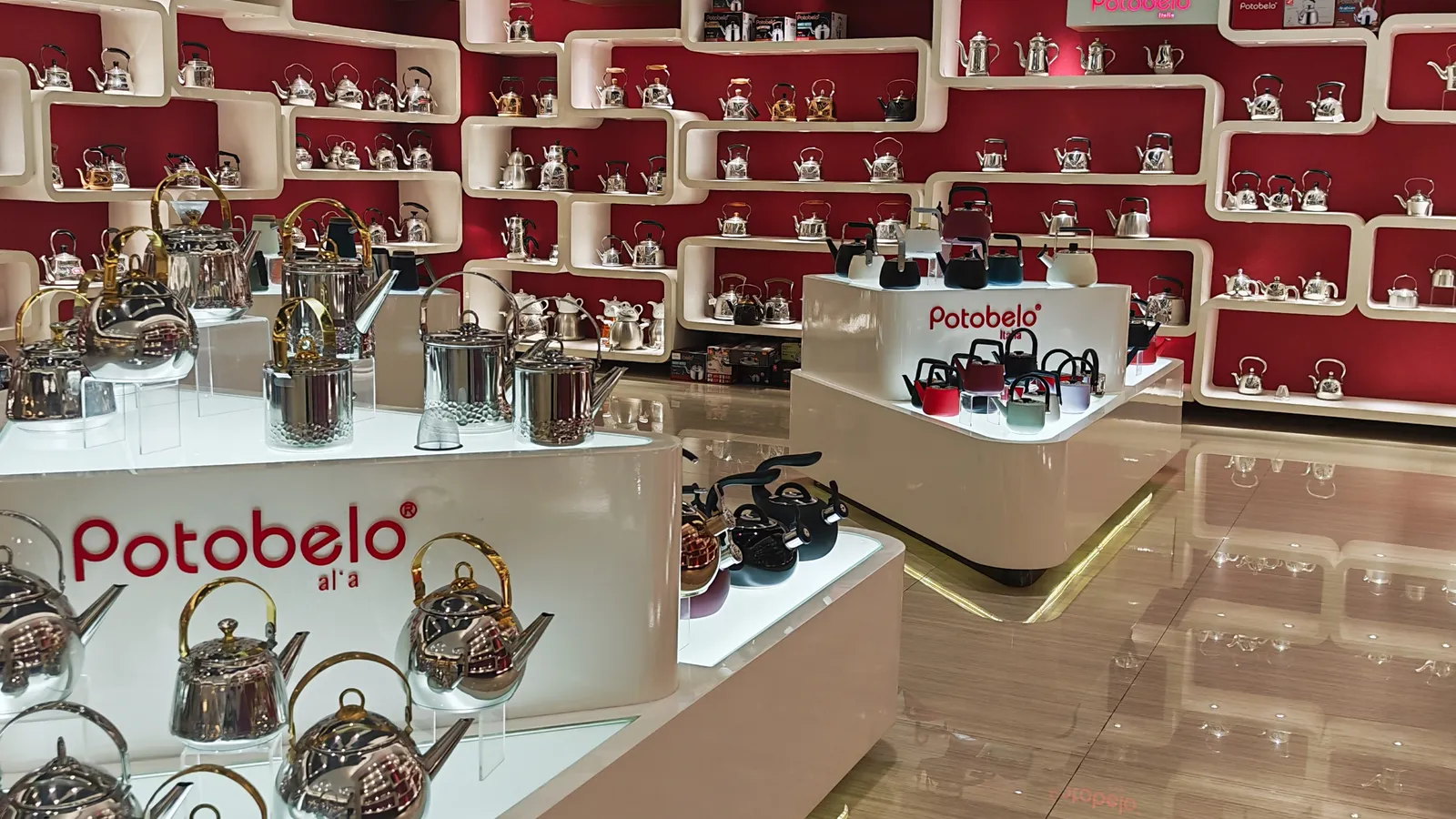
Aluminum heats faster and costs less; stainless resists corrosion and takes an induction base. The material comparison, written for cookware importers.
Wholesale & Product Line
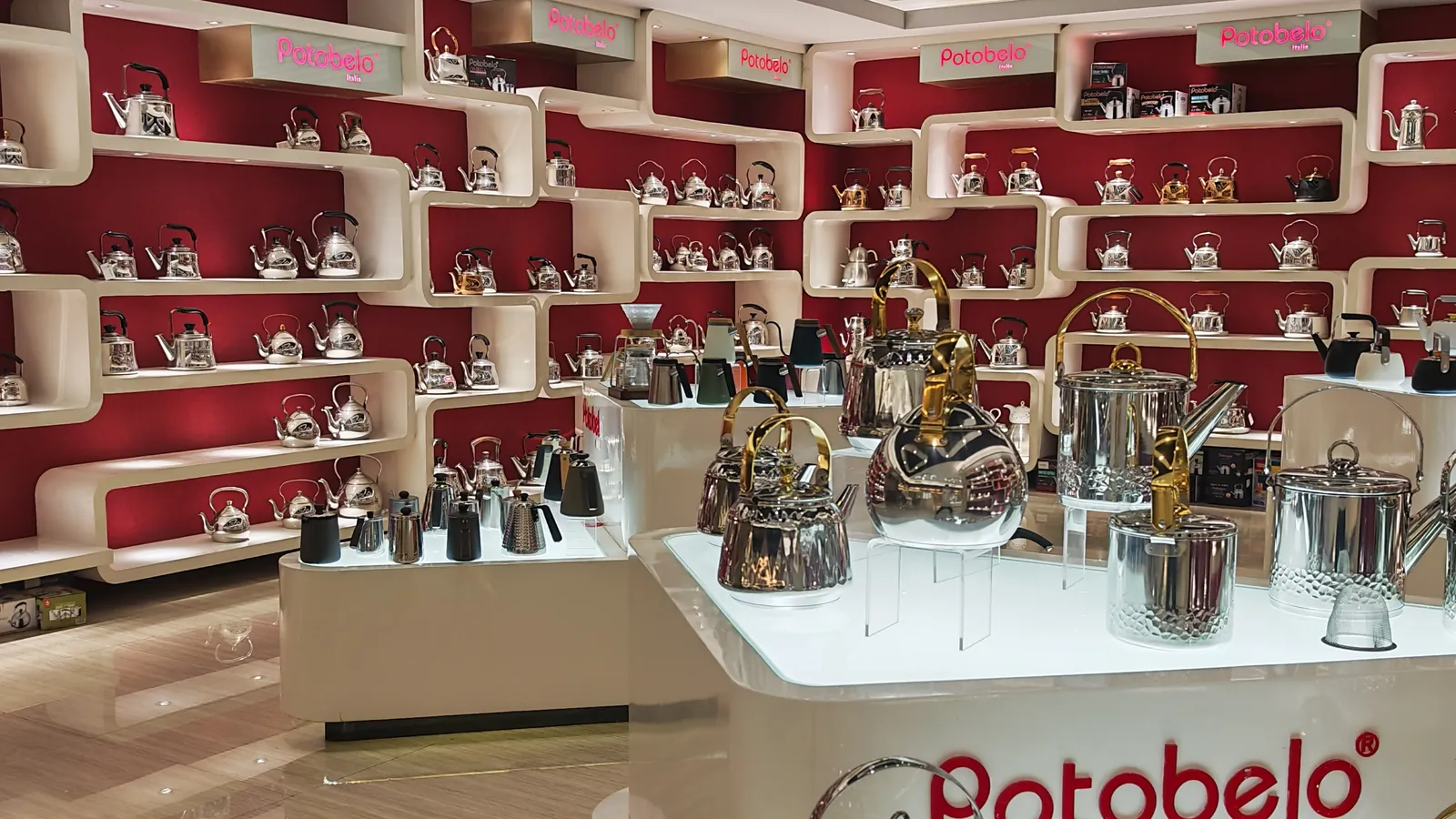
Build a cookware product line by role, not by size: lead with one anchor category, add footfall items second, and buy depth only where reorders prove demand.
Sourcing & Supplier Vetting
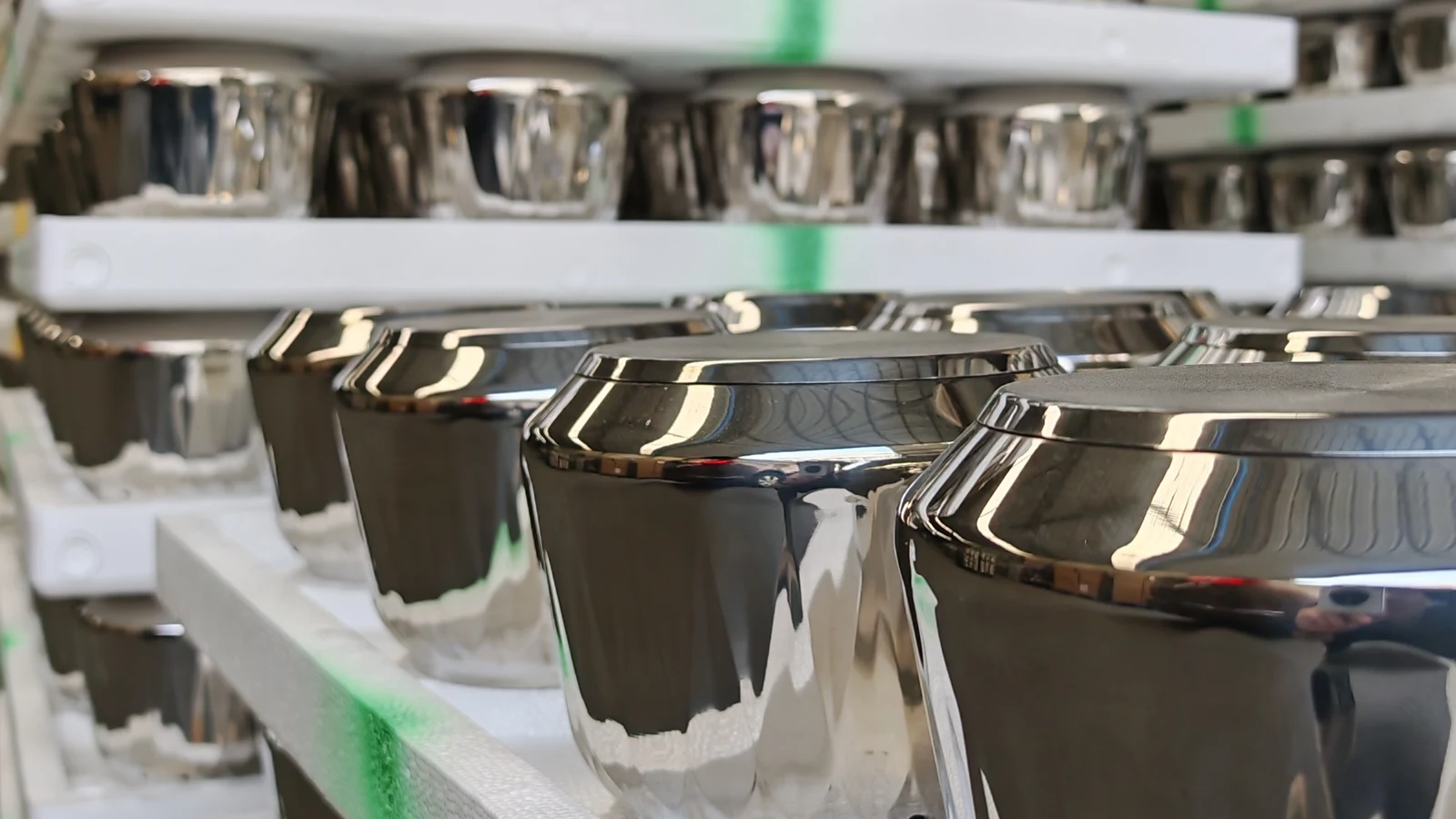
Ten questions that separate a real stainless steel cookware factory from a trading arm, plus the documents to ask for in writing before you sign anything.
Materials & Construction
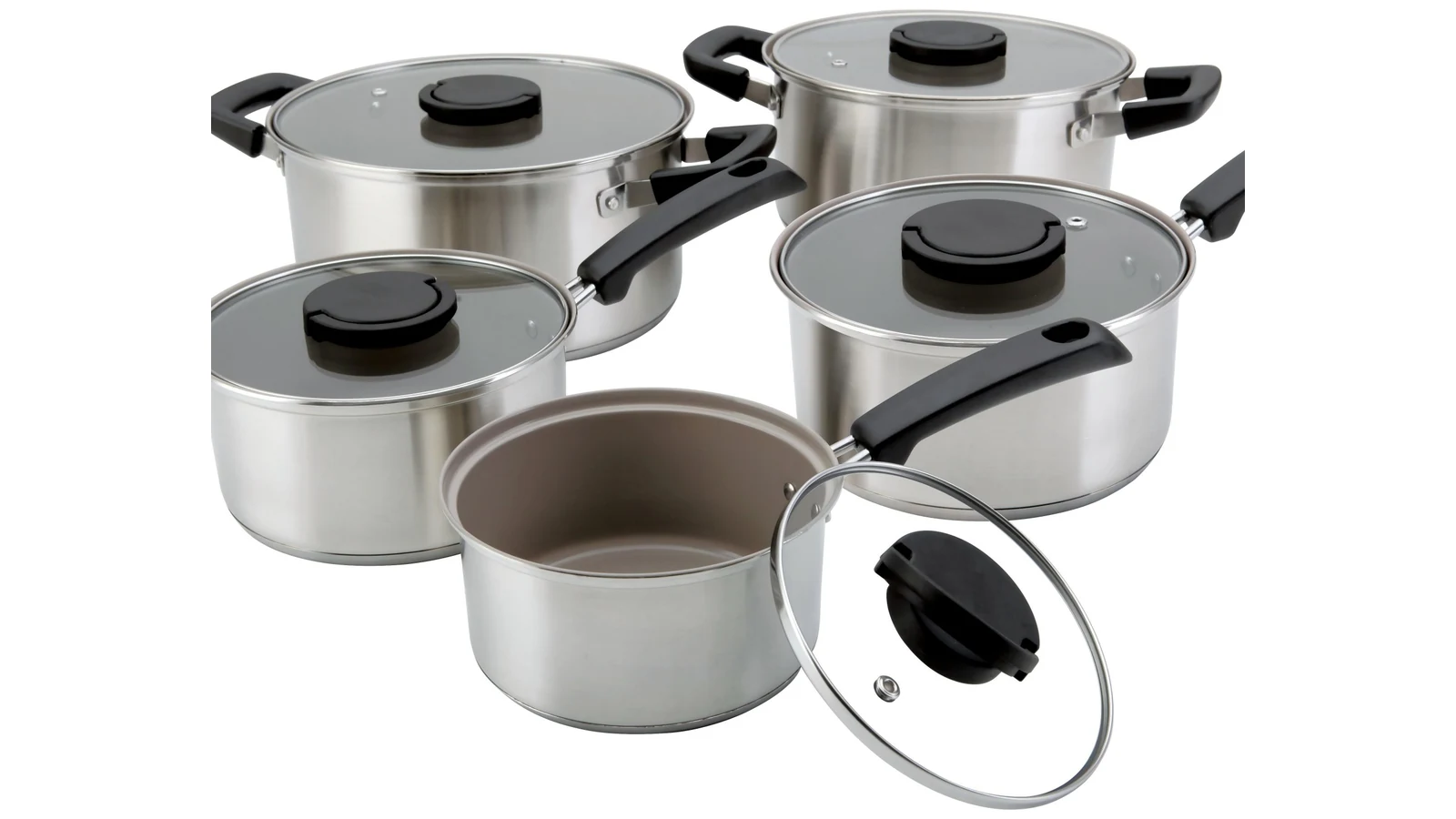
Ply count is a construction spec, not a quality grade. How 3-ply and 5-ply stainless steel differ on layers, thickness, heat spread, cost and freight.
Sourcing & Supplier Vetting
A pre-production sample only protects a bulk order if it is measured, numbered and sealed. Here is what to freeze, how to check it, and what to put in the PO.
Wholesale & Product Line
Retail ready packaging earns its cost if the case survives the trip. Compare bulk, shelf-ready and hybrid formats, carton specs and what to write into the PO.
Materials & Construction
Stainless steel cookware is safe in normal use; the question a buyer should ask is which alloy series sits on the food-contact surface, and what proves it.
Wholesale & Product Line
Buying wholesale pressure cookers? What importers must lock into the spec before the first container: body grade, safety devices, sizing, files, spares.
Sourcing & Supplier Vetting
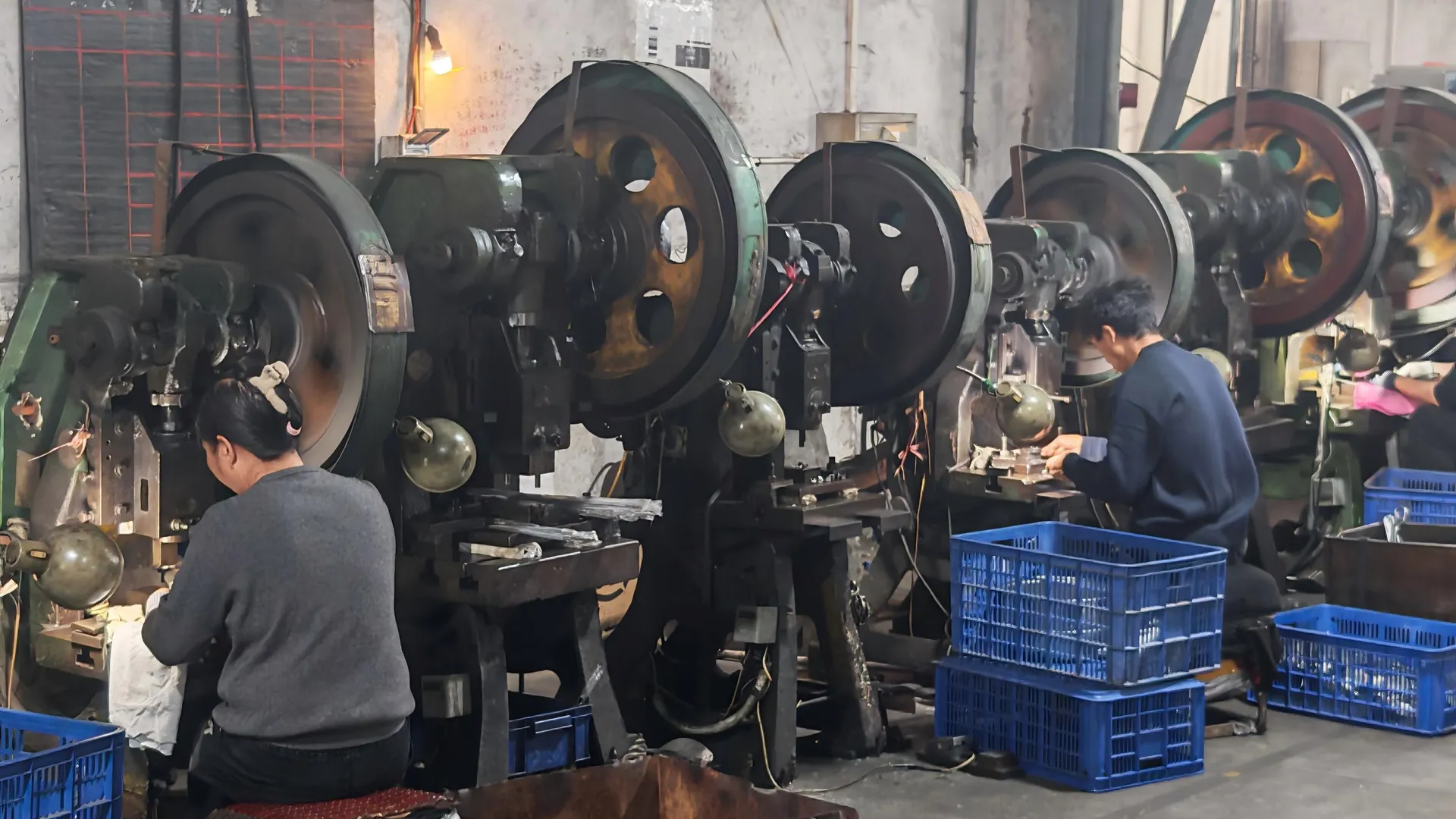
Many "cookware manufacturers" you meet online are trading companies. Learn how to tell them apart before you pay, and when a trader is still the right partner.
Materials & Construction
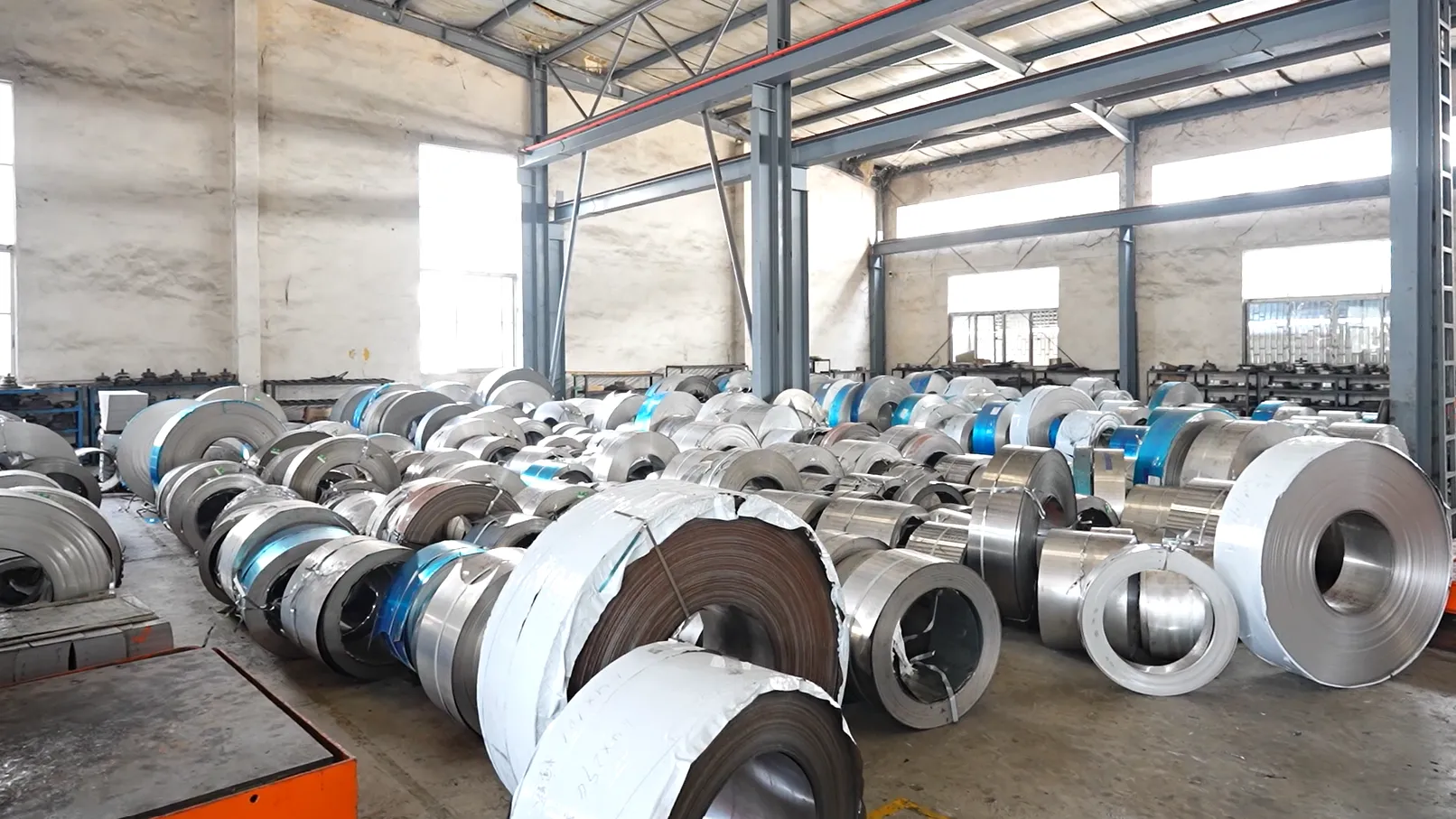
18/10 and 18/8 are two names for the same 304 stainless family — for cookware buyers the real difference is nickel content and price, not food safety.
Wholesale & Product Line
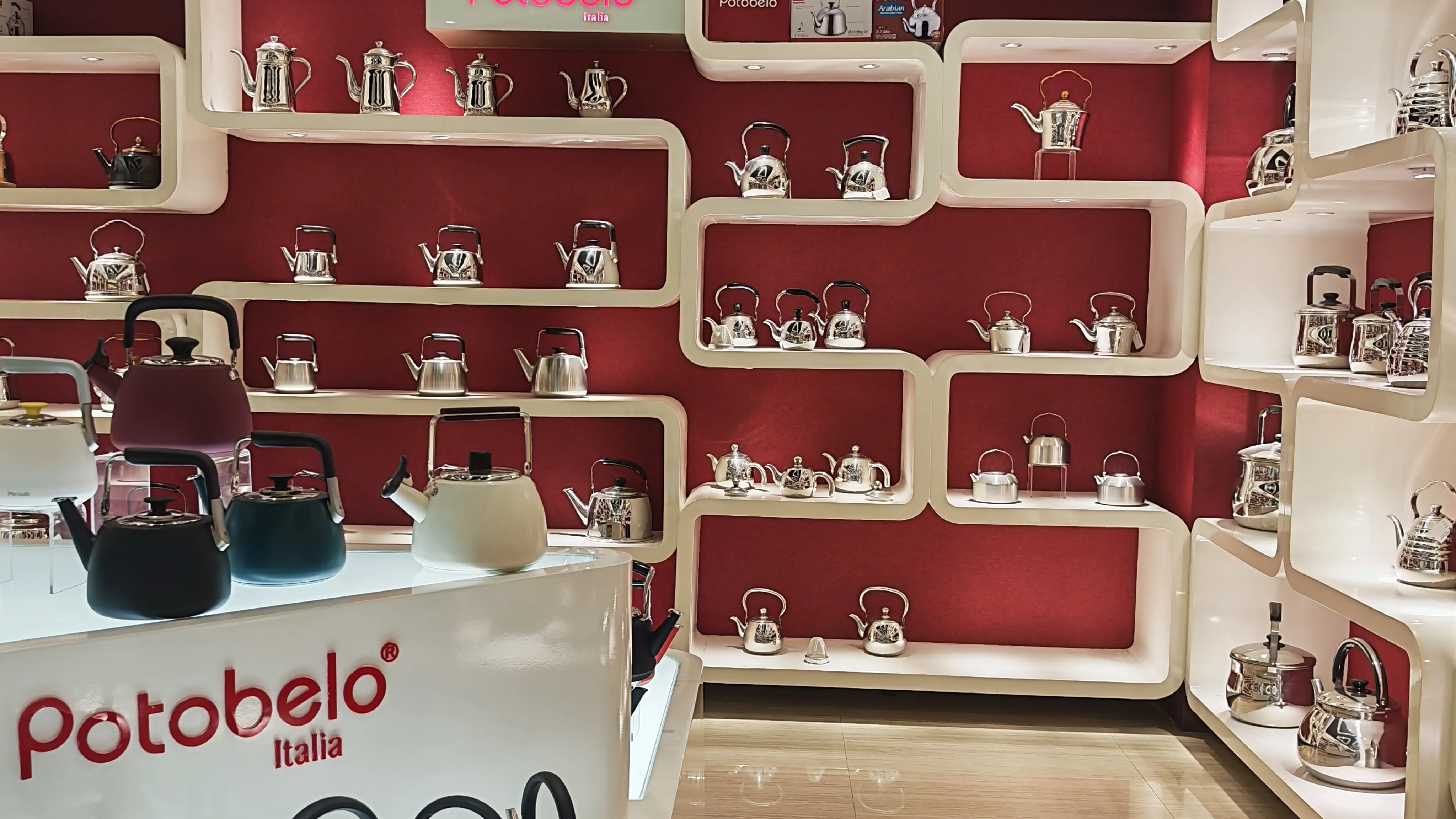
Start a cookware wholesale business on numbers that work: choose products by margin profile, plan first orders around real MOQs, and price from landed cost.
Sourcing & Supplier Vetting
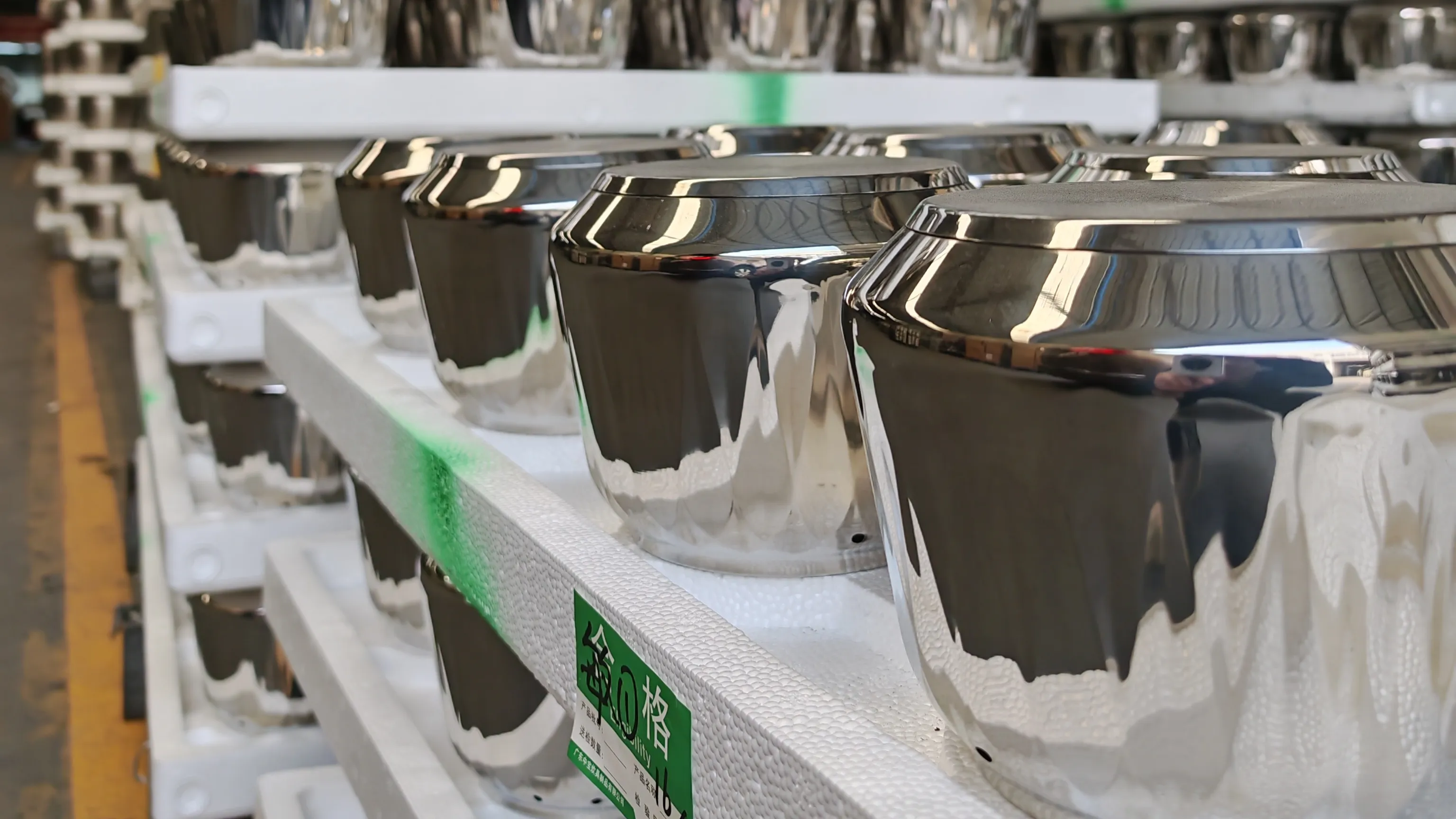
Choose a stainless steel cookware manufacturer in China on evidence, not brand names: verify factory, steel, compliance paperwork and terms before you commit.
Materials & Construction
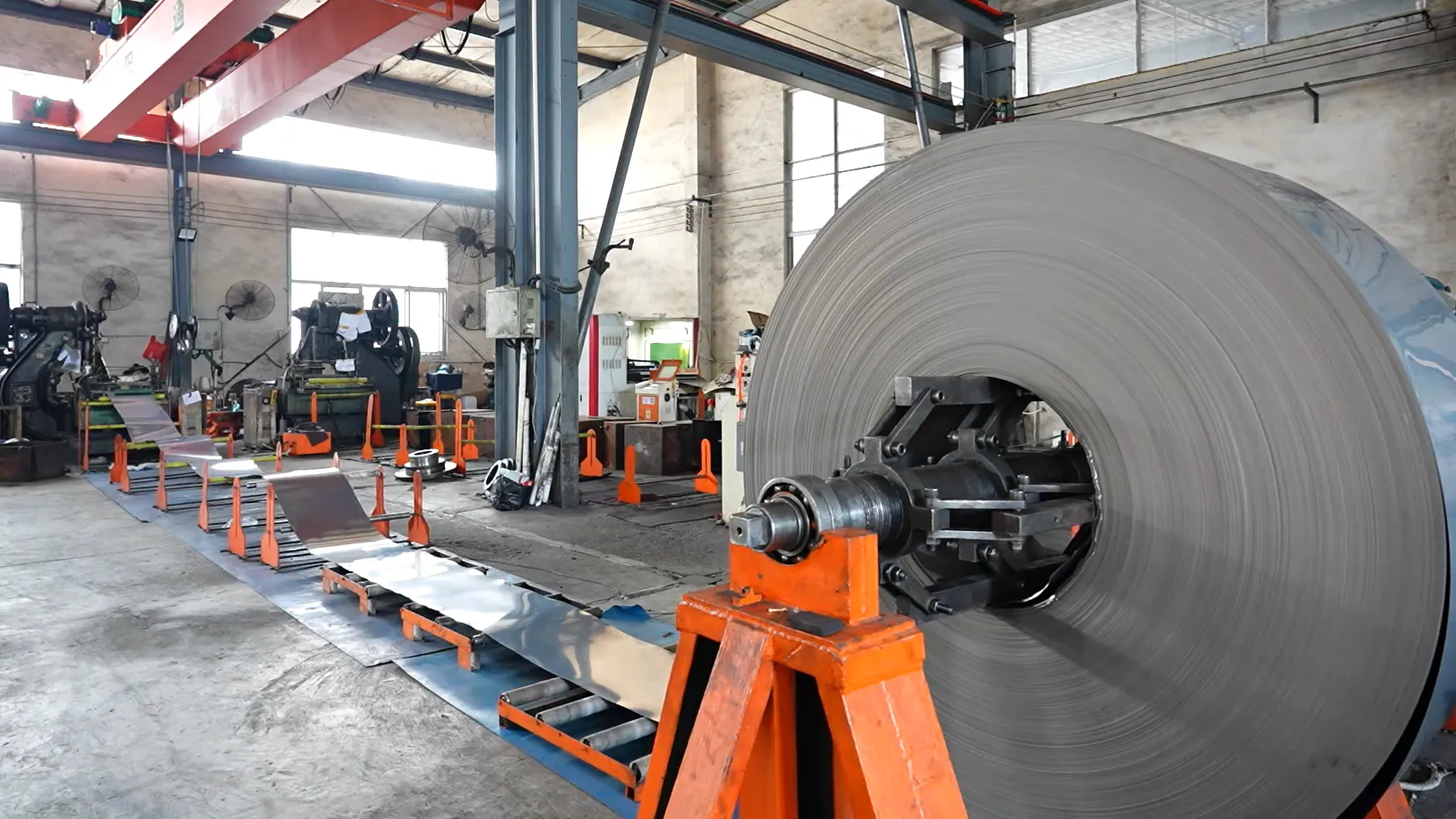
201 vs 304 stainless steel, explained for wholesale cookware buyers: cost, corrosion, compliance — and how to verify the grade you are actually shipped.
Sourcing & Supplier Vetting
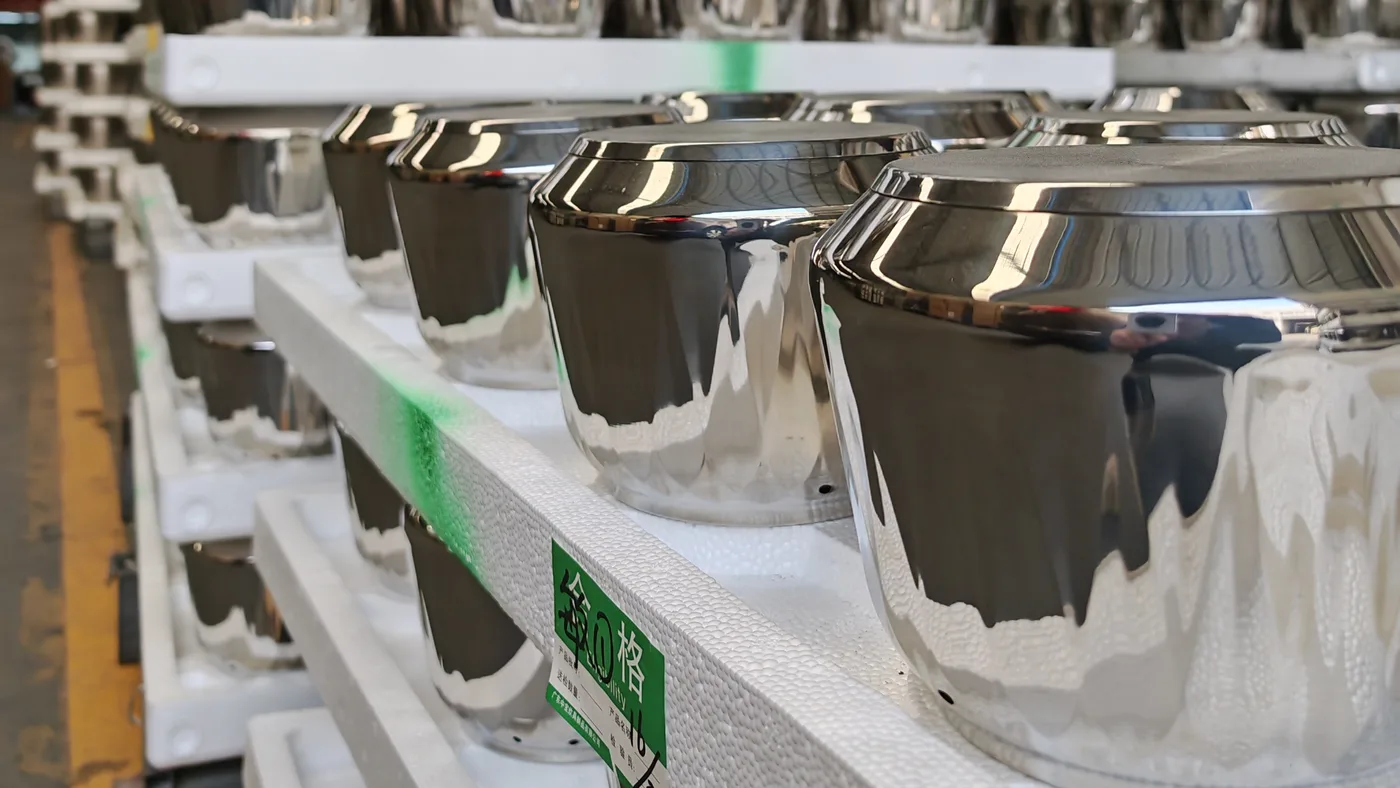
A factory-side walkthrough of the whole sourcing journey — shortlisting suppliers, telling a factory from a trader, samples, QC, terms and lead times.
Materials & Construction
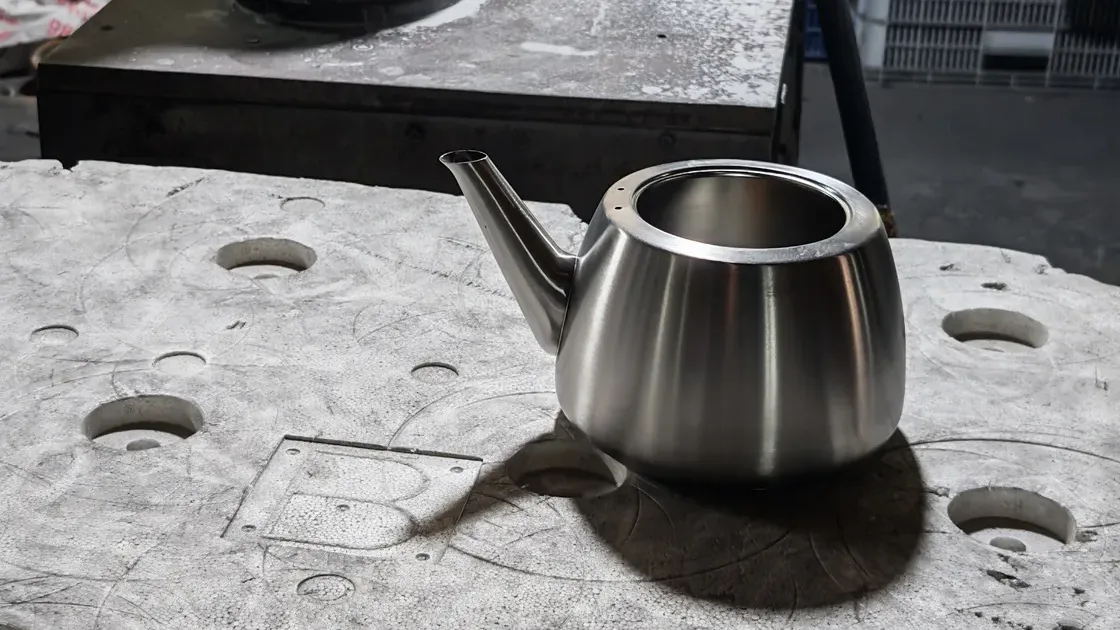
What 304, 316, 201, 430 and 18/10 mean on a cookware spec sheet, how they differ in corrosion resistance and cost, and which to specify.