
How to Verify a Cookware Factory Is Real: A Buyer's Audit Guide
Most suppliers who answer a cookware enquiry from China call themselves factories, and the first thing a buyer usually reaches for is a bought audit. This guide takes the cheaper steps first: how to read a Chinese business licence, how to validate a certificate in the register that issued it, what an audit report can be checked against, and what video and a site visit still leave unproven. It is written for wholesale importers and brand owners, by a manufacturer that will be checked the same way.
 Potobelo Editorial Team14 min read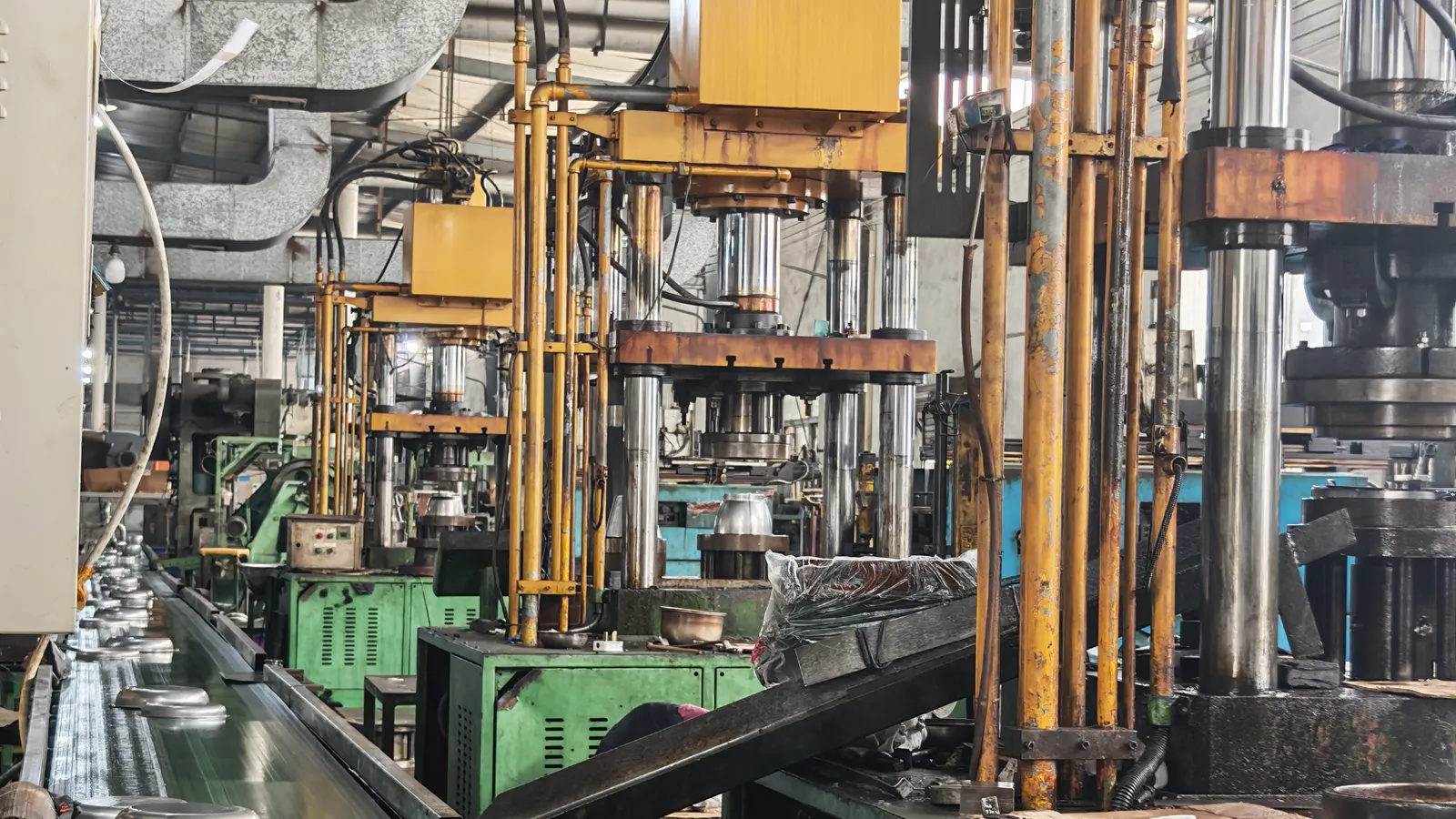
What a China factory audit can and cannot prove
The most expensive mistake in this category is buying an audit before establishing that your counterparty is a manufacturing entity at all. A factory audit observes a place on a given day, paid for by somebody: it answers how a factory runs, not the question that comes first — whether the company quoting you owns that floor.
China factory audit is a term with a crowded market behind it: inspection firms and sourcing agents, whose advice tends to arrive with a quotation attached. That is a reason to run the free steps first. The full sourcing process for cookware from China places this work where it belongs — before the specification, not after the container.
This article is written by a manufacturer, and you should price that in: Potobelo is the export brand of Guangdong Zhongbao (Zoombo), a stainless steel kitchenware plant in Jieyang, Guangdong, and every field named below is one we will hand over. It is not the framing question — manufacturer or trading company, and when a trader is the better partner, is a comparison we have written separately.
The artefact | What it proves | What it does not prove |
|---|---|---|
Business licence | Which entity exists, where, registered to do what | That it makes your product, or owns a plant |
ISO 9001 certificate | A named entity at a named address has an audited system | That your order will be produced there |
Audit report | What a named auditor saw, at a named entity, on a date | That the entity you contracted is the entity audited |
Unedited line video | That a process exists and runs, that day | Who owns the building |
Your own site visit | A production route you can walk and touch | Capacity available to you, or the unit economics |
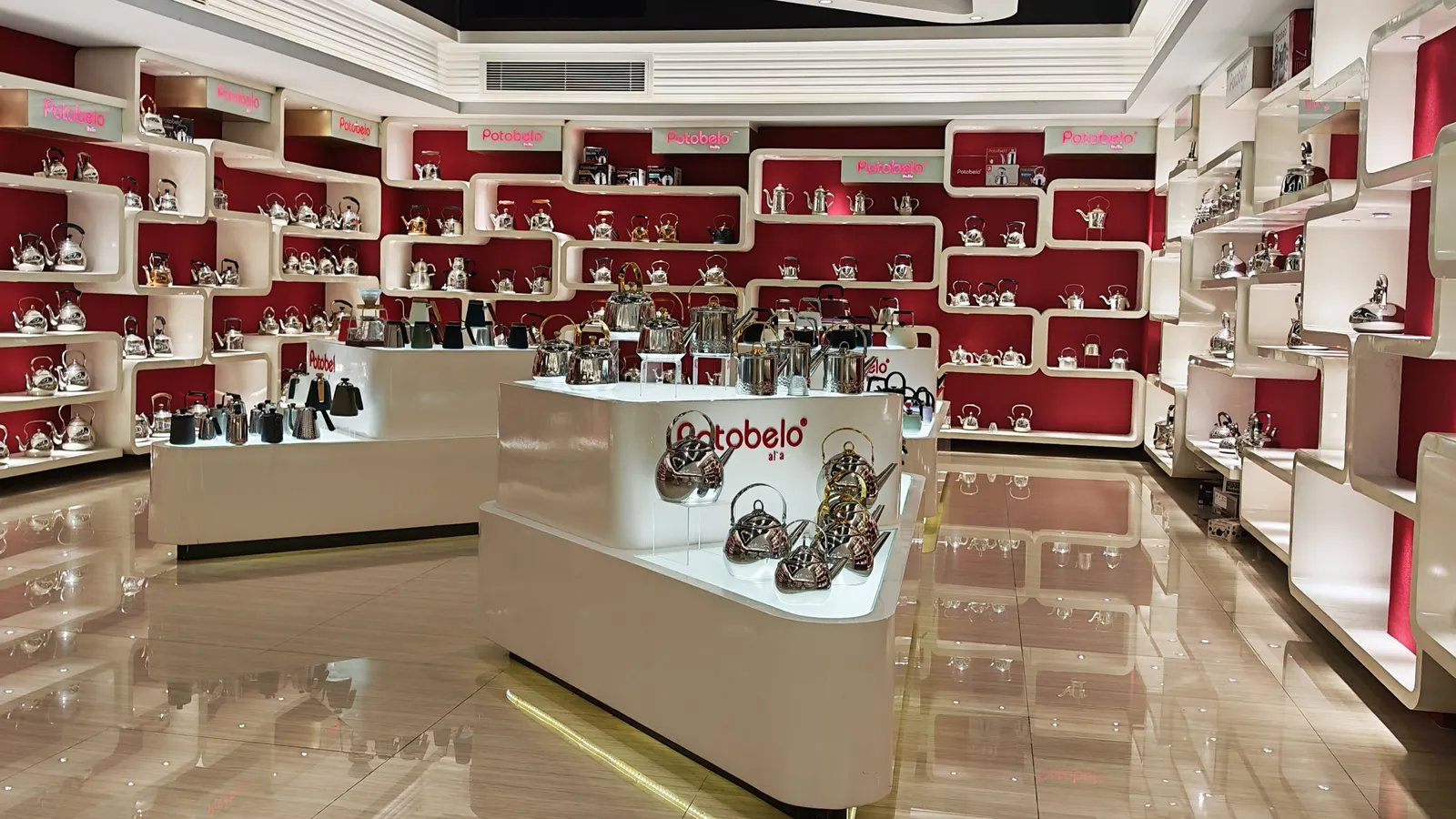
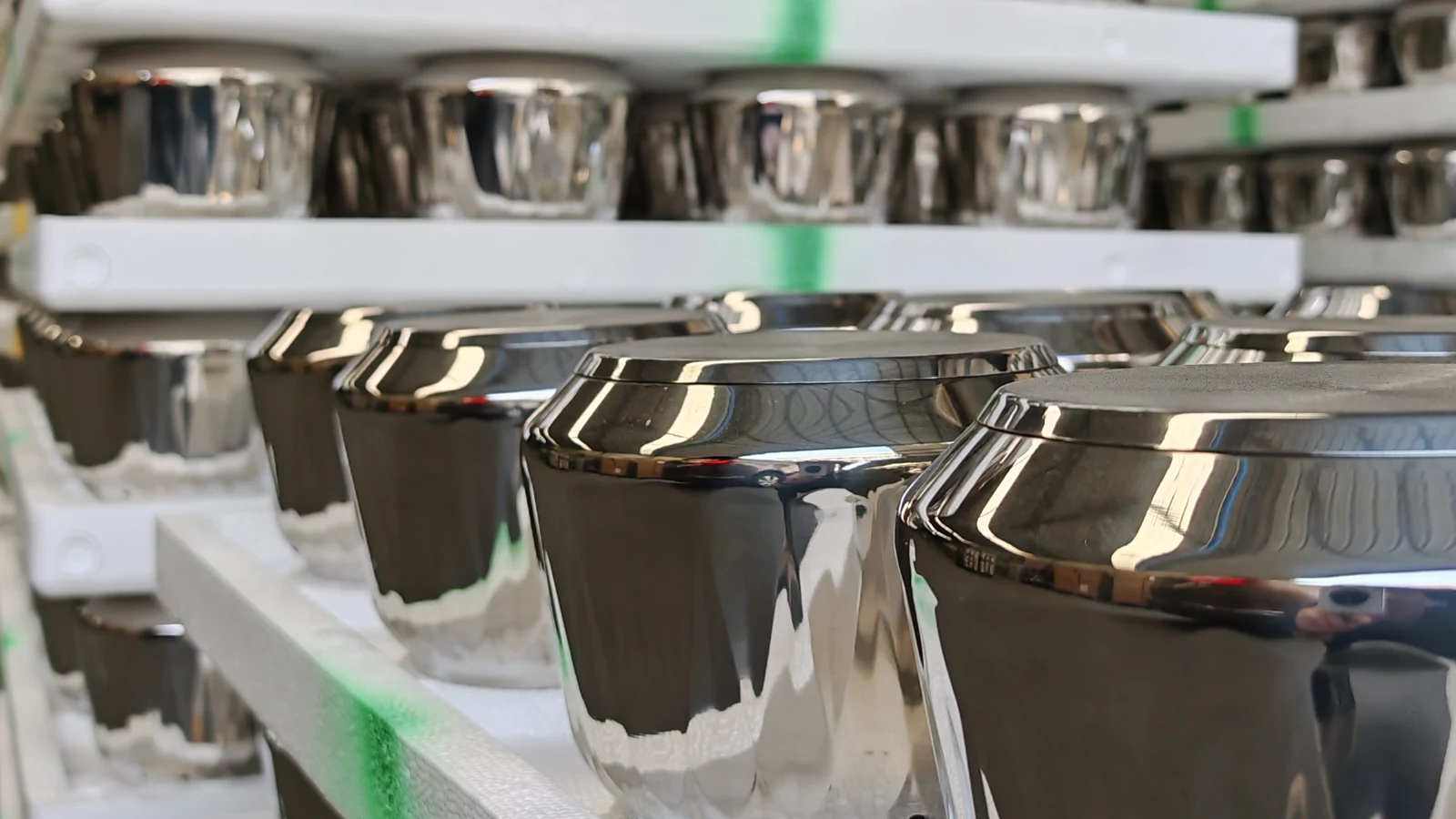
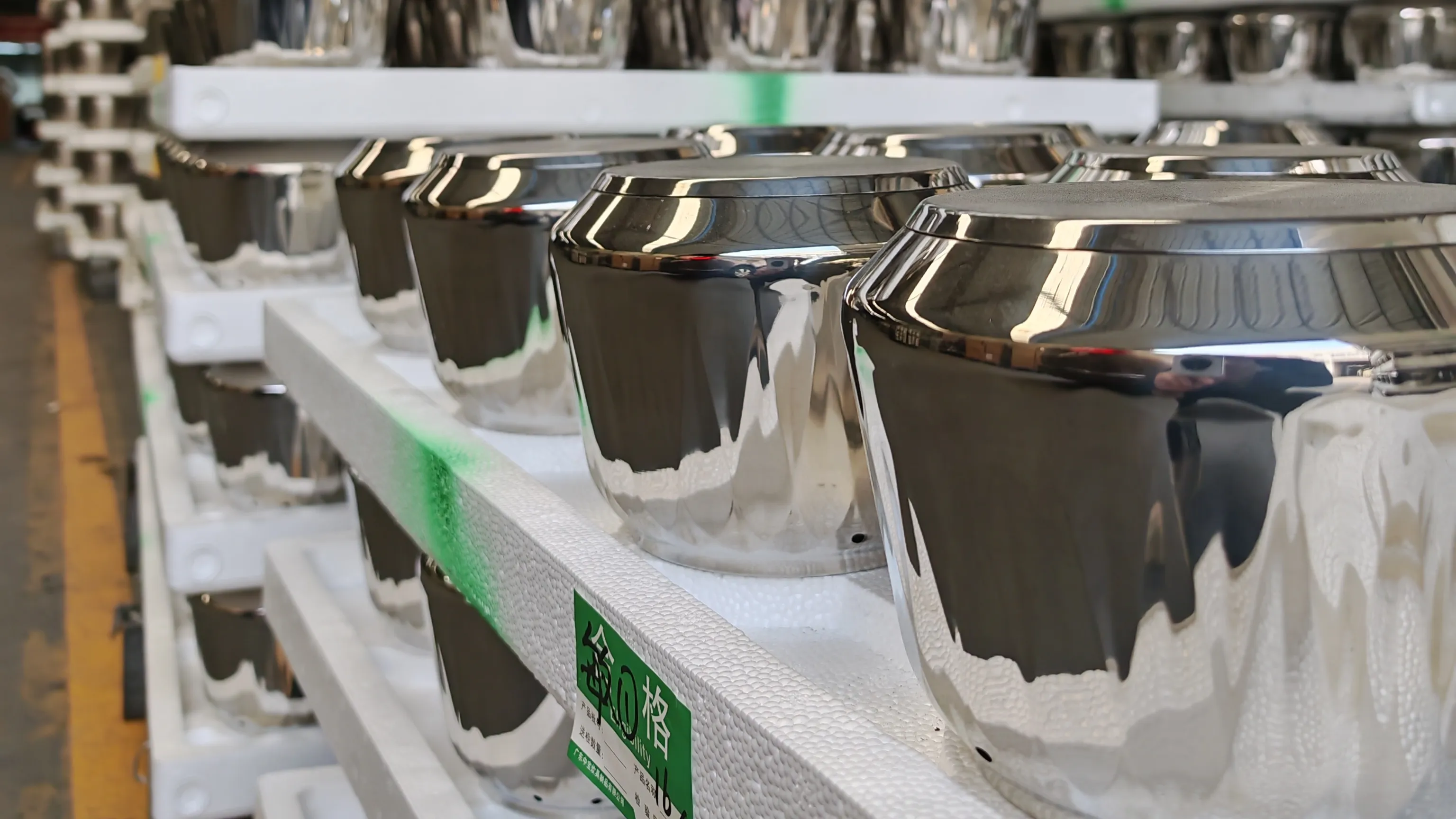
A showroom like this is what every supplier can photograph. What follows is about the documents and places that are harder to stage.
The business licence: read the scope of business, not the logo
Every company in China holds a business licence, and its fields are the cheapest verification a buyer has: the registered legal name in Chinese, the unified social credit code — the 18-character identifier that now serves as the company's single identity number — the legal representative, the registered capital, the establishment date, the registered address, and the scope of business.
The scope decides most cases. It lists what the entity is registered to do, and a manufacturing business names production, manufacturing or processing of the goods. A scope running to sales, wholesale or import and export is a trading registration. Read that as evidence about registration rather than a verdict on the company: scope is a strong signal, not a prohibition. What it does reliably is tell you whether "we are a factory" is backed by anything the entity is registered to be.
Then look the same record up independently in the National Enterprise Credit Information Publicity System, the market regulator's public register — free, no account, searchable by Chinese legal name or credit code. That is why the first thing to request from a supplier is its Chinese name and code. The regulator that runs the register also publishes national standards through its public standards portal.
Three names have to match — licence, quotation, bank account
The licence check becomes conclusive when you put it next to two other names. The name on the business licence, the name that signs the proforma invoice, and the beneficiary name on the bank account should be the same legal entity. When all three match, you are dealing with one company — and if it is registered for production, you have a manufacturing counterparty.
When they differ, the question is whether the difference is documented. Group structures, dedicated export arms and offshore payment entities are normal in Chinese export. A real group explains it in one line and shows the relationship — a shared shareholder, the same legal representative, or an authorisation from the plant to the export company. An answer that shifts when you ask twice has given you the answer.
Two patterns are stop signs. Payment to an individual's personal account, or to an unrelated company, produces a transaction you cannot enforce in China. And a proforma invoice issued in one entity's name with a chop from another: in Chinese commercial practice the chop is what binds.
A registered address is not a factory address
The address on the licence is a registration, not a place of production. Chinese industrial addresses read a certain way once you know what to look for: a district or town plus an industrial zone, park or workshop building usually means industrial premises, while a business-district tower with a room number, or a residential compound, means an office — or a registered address rented by the month.
Four cross-checks turn the field into evidence:
- Compare the licence address with the address you would visit. Ask in writing what the plant address is and whether it is the registered address: a supplier that answers is normal, one that has never given an address is not.
- Look at it on satellite imagery. Industrial estates, plant roofs and loading yards are visible from above; so are residential towers and market buildings.
- Ask for a document that belongs to the site rather than the company — environmental registration, fire-safety acceptance, a utility account. These are issued against premises, a different test from a licence.
A supplier that presses bodies but buys its lids from neighbours is still a factory; one whose registered scope is trade and whose plant exists only in photographs is not. The ten questions worth asking a cookware manufacturer are the short version of this check.
Certificates: verify the holder before you read the PDF
A certificate is a statement about a legal entity, at an address, over a period. Nearly every certificate mistake comes from reading the body of the document and skipping those three fields.
ISO 9001 is quoted most often, so start there. It certifies a quality management system examined at a named entity against a defined scope; it does not certify a product, and says nothing directly about the steel in your saucepan. BSI's description of ISO 9001 is a fair statement of what the standard covers, and the certificate must name the holder's legal entity, the sites covered, the scope of activities, the issuing body and the validity dates.
Check them in this order. Holder name against the licence — if it is a different company, the certificate does not cover your supplier until the relationship is documented, and that is the borrowed-certificate pattern: the most common way a "certified factory" is holding someone else's paper. Site address against the plant that will make your goods; group certificates often list several sites and yours must be one of them. Scope against your product family. Dates.
Then validate it away from the supplier. The International Accreditation Forum runs IAF CertSearch, a central validation database of accredited management-system certificates, searchable by certificate number or holder, and the issuing certification body keeps its own client register.
Social-compliance schemes work on the same logic with a different clock. BSCI, now operated by amfori, publishes results to authorised users rather than issuing a timeless certificate, so what matters is the audit date and its follow-up window. Product-level reports are a third category: a food-contact report belongs to an article in a material and generalises no further. Those reports sit inside a regime that assesses migration behaviour rather than approving grades — in the EU, Regulation (EC) No 1935/2004, with the US route-based framework described by the FDA. Our own certificates, and how they can be checked the same way, are listed on our company page.
Audit and inspection reports: the date, the body, the audited entity
An audit report is the artefact buyers most often treat as a certificate, and the two behave differently. A certificate has a validity period and a searchable register; a report is a point-in-time record of one visit. A three-year-old report describes a factory that existed three years ago.
Four fields make a report worth reading:
- The issuing body — a named audit firm with an office and a phone number. Whether it is an international inspection company or a small local auditor matters less than whether it is reachable and will confirm its own paperwork. What a manufacturing audit examines, from one of the large inspection firms, sets out the scope of such a visit.
- The report reference. Most firms will confirm that a report exists, and what it covered, to a third party who quotes the reference — the strongest check available on a report, and one almost nobody runs.
- The audited entity — legal name in Chinese and English, plus the address of the premises visited. This must be the plant you are buying from; a report on a group parent's main site does not describe the subsidiary that will invoice you.
- The date, the scope and who commissioned it. A supplier-commissioned audit answers the supplier's question.
It is also worth knowing which document you are holding. A factory audit examines whether the counterparty is a genuine manufacturing operation; a social-compliance audit examines labour conditions; a pre-shipment inspection examines whether a finished batch matches the approved sample. Only the first speaks to identity.
Live video verification: what an unedited walk proves
Between the paperwork and a flight there is a rung most buyers underuse: a live video call. Live is the operative word — a recorded factory tour is a marketing asset, it can be reused, and a supplier that has never bought a part from a plant can possess one.
On the call, ask for four things, in this order:
- The route for your product, in sequence, without cuts — coil store, forming, welding or brazing, finishing, assembly, packing. You are checking that the steps connect in one building.
- The raw-material store, with the camera held on a coil label. The grade printed there is the first honest statement about what the plant buys, and what that grade means is worth ten minutes before the call.
- The tooling for a model like yours. Dies and moulds are heavy, specific and expensive, and they sit where the drawing meets the press.
- The in-process queue and the packing line holding goods for your category, with cartons and barcode labels visible.
While the camera runs, ask a question only production can answer: what tonnage is the press that forms this body, is the composite base impact-bonded or brazed, how many polishing stations run this finish. An engineer answers in a sentence. A sales office goes quiet, or asks someone off camera — and the delay is itself the finding.
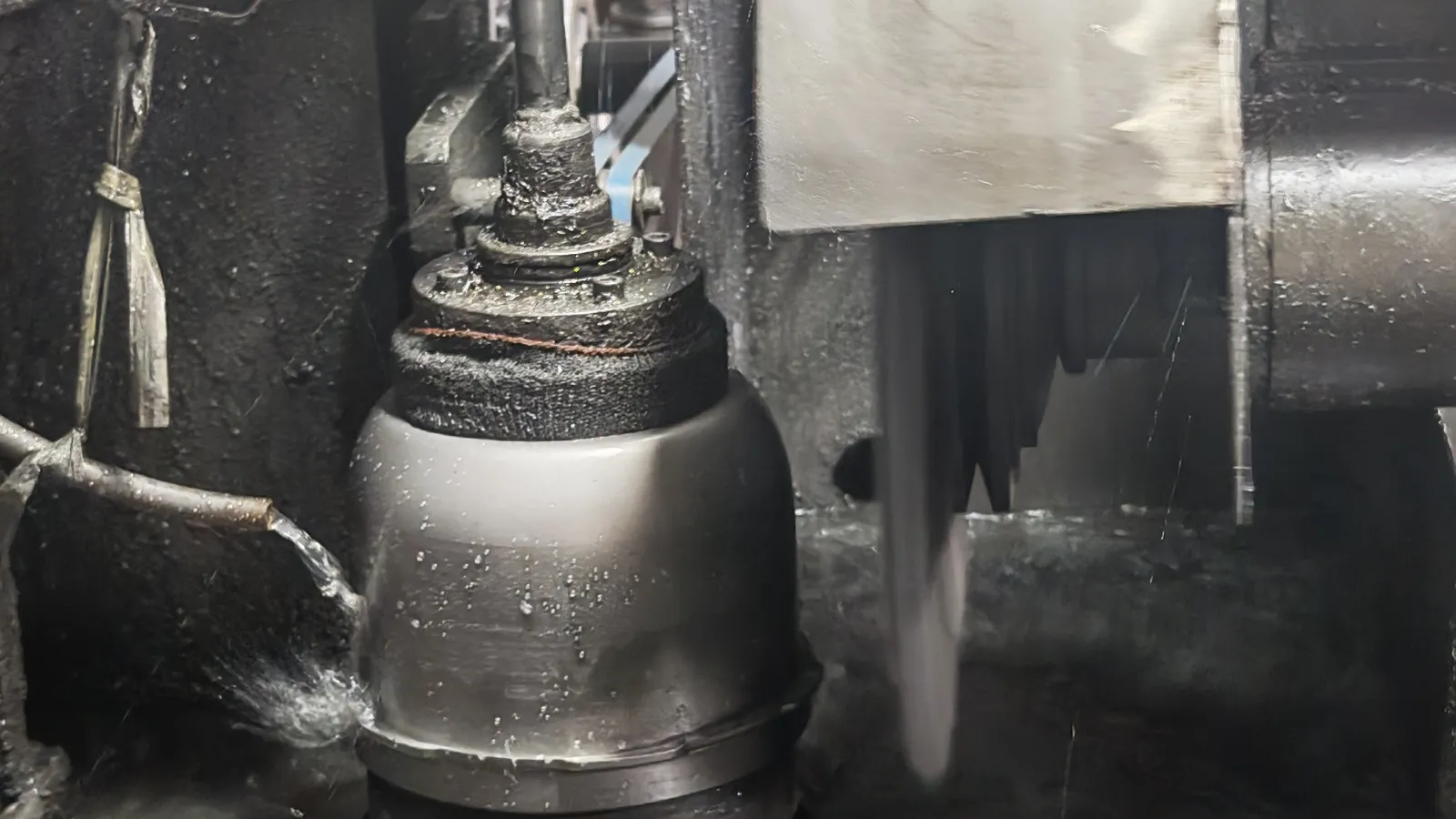
Video cannot close the case. It cannot tell you who owns the building, whether your order will run there, what capacity is free for you, or whether the workers are employed lawfully. Subcontracting is normal and usually invisible on a call. Video is a filter, not a certificate.
A site visit: what to look at, and what it still will not tell you
A visit is the confirming step, which is why it belongs after the free checks rather than before them.
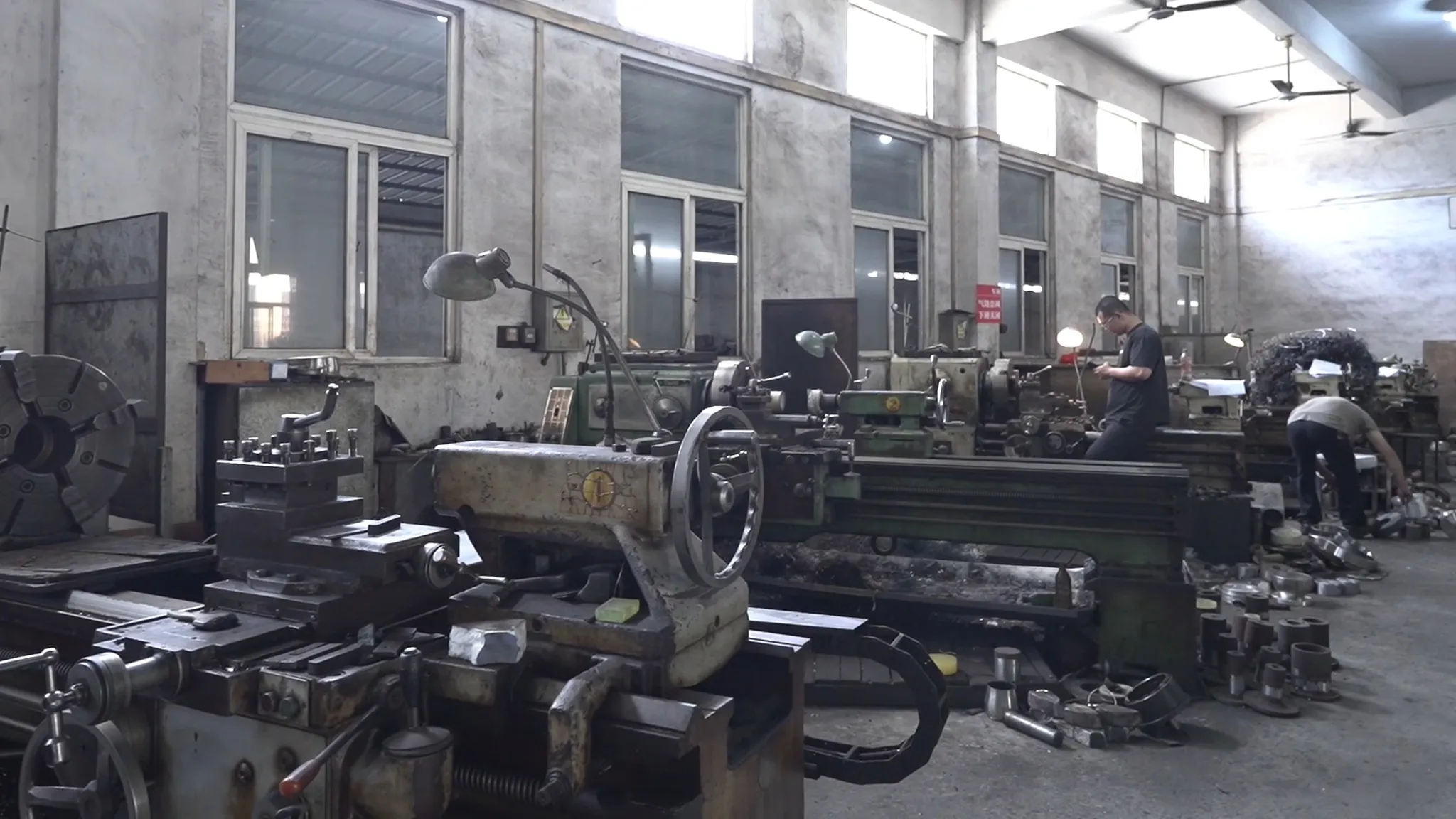
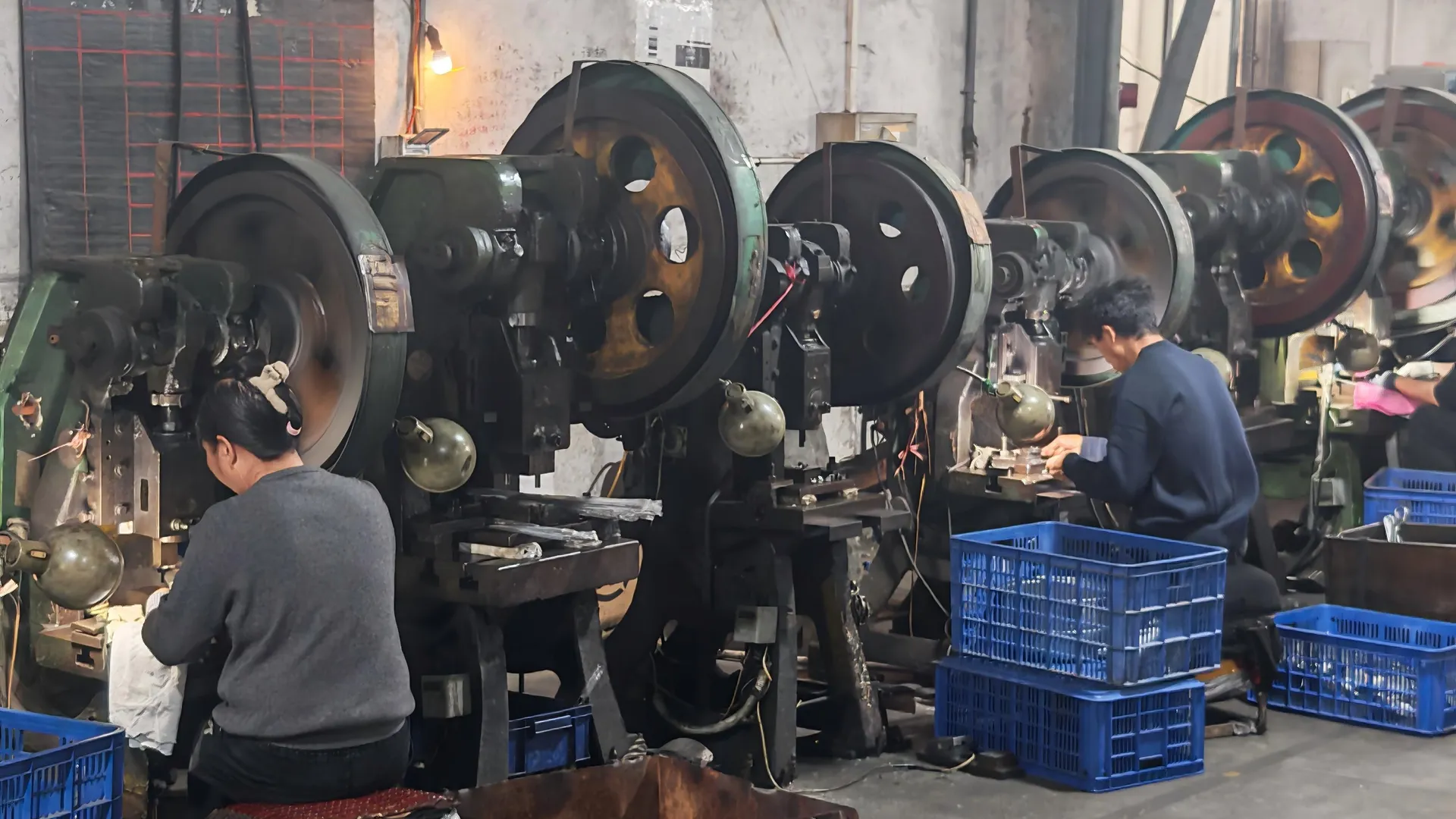
The day is for verifying that the route you saw on video is the route that will run your product. Stand at the press and watch a body come off it. Look into the coil store and the die store. Find the quality station and ask to see the reference sample and the in-process check records, not the showpiece in the meeting room. Walk the packing line and find your carton and your barcode. Then ask for the areas that are not prepared for visitors — the toolroom, the rework bench — because a plant willing to show you those is telling you something a staged tour cannot.
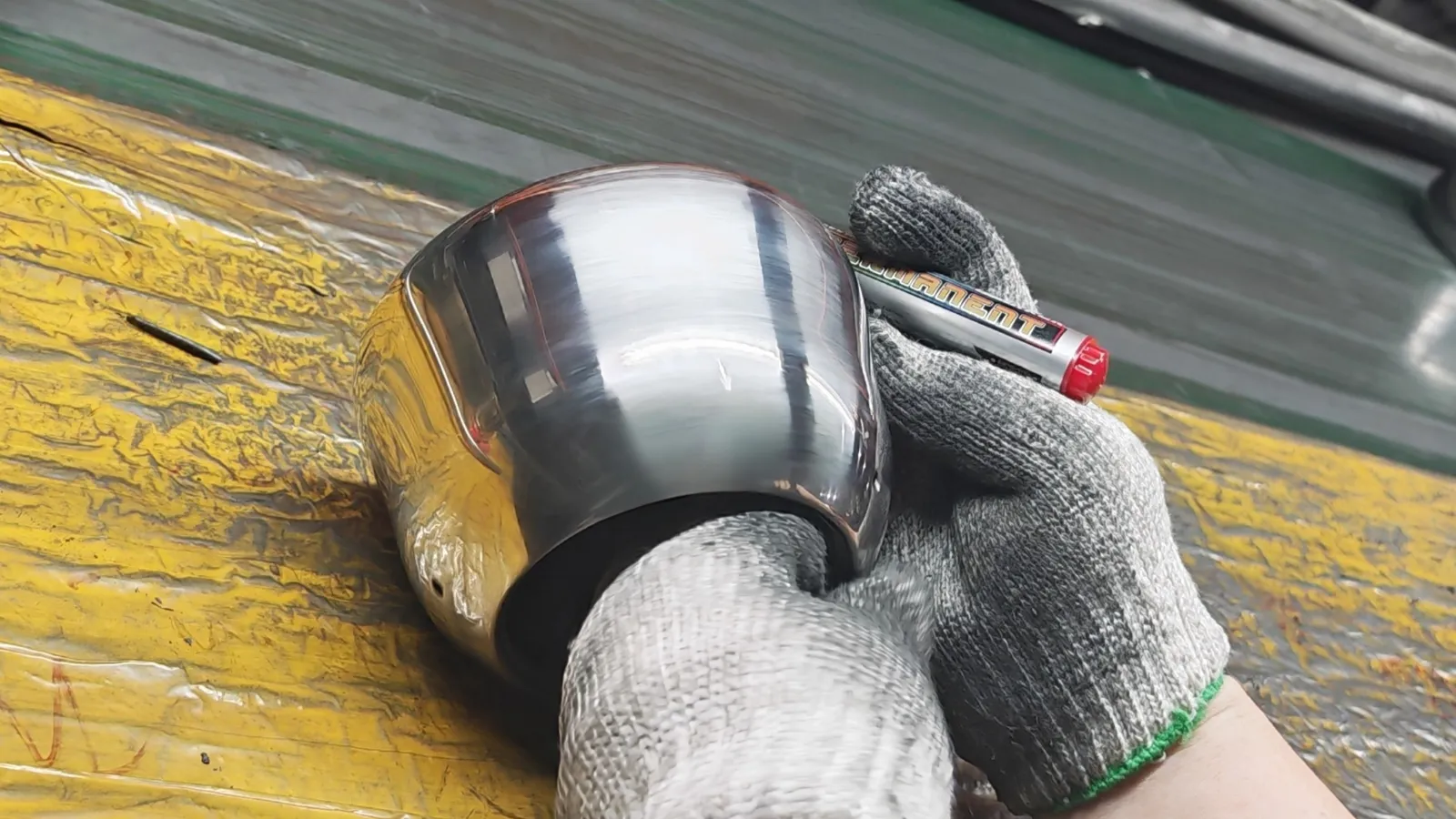
Four things a visit will not establish. Capacity available to you: a plant running at full load can put your order behind someone else's. That the contracting entity owns the premises — the entity on the invoice may be a group export arm or a lessee, which is the licence question asked at the gate. Your unit economics, which depend on tooling amortisation, gauge and order quantity rather than on how impressive the building is. And what your container will be compared against, because that is decided by the sample protocol agreed before production: a sealed, signed reference sample held by both sides, as covered in how a pre-production sample relates to a mass-production run.
If you cannot travel, an agent in the same city can walk the route in two hours with your question list and a camera.
The evidence-layer red flags of a factory facade
One red flag is a question, four is a pattern, and the pattern is what a buyer is really reading. These are the paperwork-and-place signals — as distinct from the framing question of manufacturer versus trader, which the separate comparison covers.
- The scope of business names trade, sales or import and export, and process questions stop at the sales desk.
- A certificate's holder is a company you cannot link to your counterparty, and no group document is offered.
- An audit report names a different legal entity and address from the plant you have been shown.
- The registered address is a market building or an office floor, and no production address has ever been given.
- The line video is a corporate film: drone shots, music, no continuous take, no coil label read on camera.
- A question about press tonnage, base bonding or cycle time is answered by a salesperson who will "check and come back".
- Payment instructions arrive with a different beneficiary name and no explanation of the relationship.
None of these proves anything alone. Each is cheap to test and hard to fake in combination.
Free checks first, a paid audit second
Sequenced properly, verification costs almost nothing until the last step.
Step | What you get | Cost and time | What it rules out |
|---|---|---|---|
Registry and licence scope | The entity, its address, its permitted activities | Free, under an hour | Trading entities presenting as plants |
Three-name match | Licence, quotation and bank beneficiary as one entity | Free, one email | Intermediaries you cannot enforce against |
Certificate validation | Confirmation from the issuing body or register | Free to a few emails | Borrowed, expired or altered documents |
Live video walk | A production route and an answer to a process question | Free, 30 minutes | Non-manufacturers, on the day |
Site visit | The physical route, the unprepared areas, the people | A day plus travel, or an agent's day | Staged tours, fictional premises |
Third-party audit | Independent evidence you can hold a supplier to | Priced per auditor-day | Later disputes, your customer's compliance file |
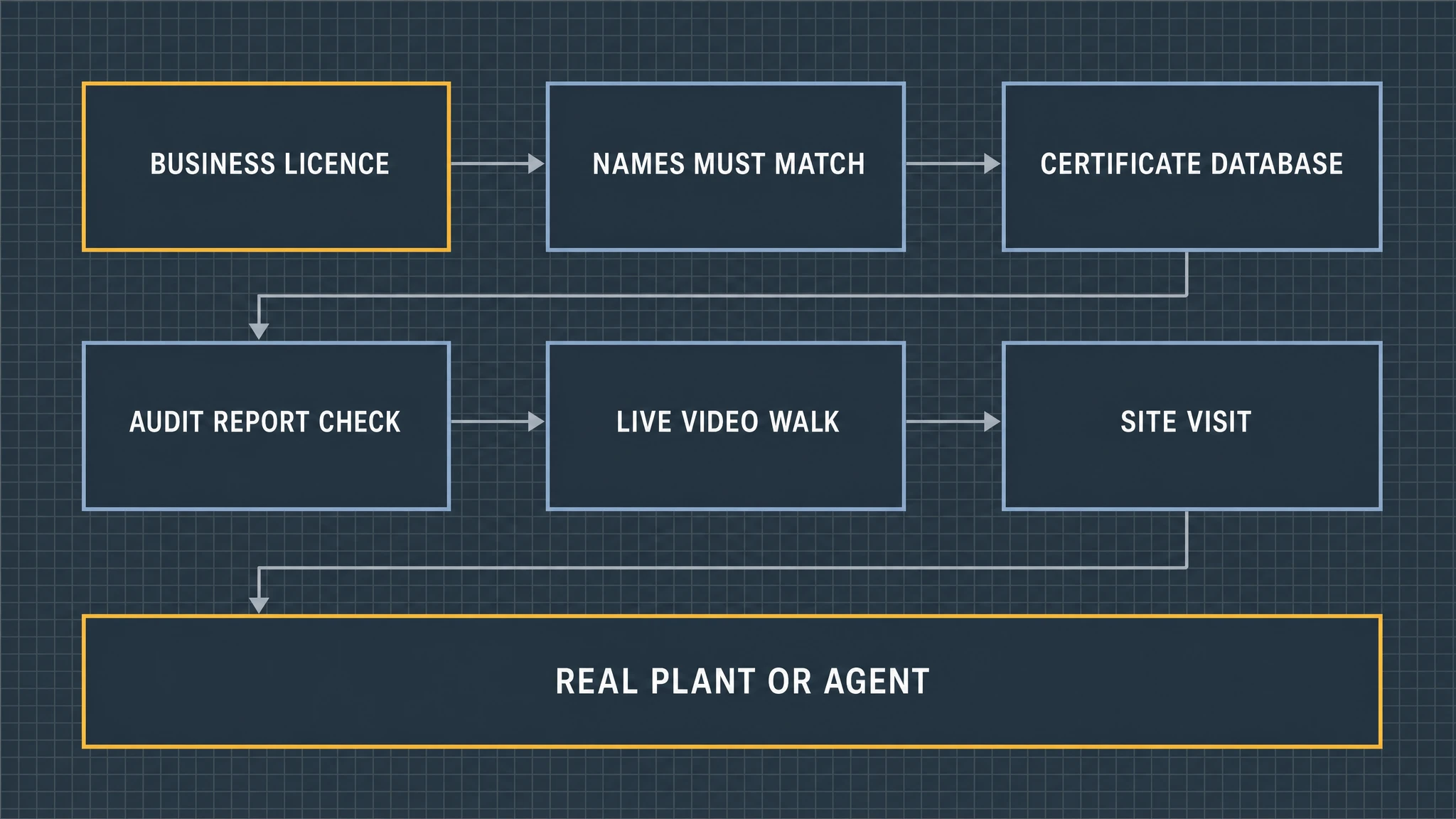
Illustrative render, not a photograph: the verification sequence in this article, drawn as a flow and not to scale.
A paid audit earns its place at the end of that ladder rather than the start. What it buys is an independent presence on a date you choose, an evidence pack that cannot be staged in a half-hour call, and a report you can point at when a batch arrives wrong. Commission one when a first order passes your risk threshold, when you move into a category such as pressure cookers where safety structures carry real liability, or when an existing supplier's quality drifts. Do not commission one as a substitute for the licence check.
We sit on the manufacturing side, so here is our own paperwork in the same order. Ask us for the business licence with its scope of business and unified social credit code, and the Chinese legal name behind it; for our ISO 9001 and ISO 14001 certificates, valid to February 2029, with the certification body so you can validate them; and for a live walk of the line that would run your item. The plant runs 66,000 m² across 70+ production lines, with tooling, forming, polishing and packing in house, sampling in 7–10 days and production in 30–50 working days. The guide to choosing a stainless steel cookware manufacturer covers the qualification stage that follows.
Bottom line
Establish identity first and buy the audit second. The licence, its scope of business, the three-name match and the certificate register are free, fast, and remove most counterparties that call themselves factories without being any such thing. Video is a filter, a visit is the confirming step, and a third-party audit is the evidence you keep when a dispute or a customer's compliance file requires one. Run them in that order and the documents become the relationship — which is how we work with importers and distributors.
Key takeaways >- A business licence's scope of business is the fastest test of whether an entity is registered to manufacture, and the unified social credit code lets you confirm the same record in the public register for nothing.- Three names must match — licence, contracting party and bank beneficiary. Documented group or export-arm differences are normal; unexplained ones are the finding.- The registered address is not a factory address, and certificates name the entity and site they cover. Read holder, site, scope and dates before anything else on the page.
Common questions
How do I check whether a Chinese cookware supplier is a real factory?
Start with the business licence, which every Chinese company holds and any buyer may read. Three fields decide most cases: the registered legal name, the registered address, and the scope of business. A manufacturer's scope names production or processing of the goods; a trading company's names sales, wholesale or import and export. The licence also carries the unified social credit code, which lets you confirm the same record in the market regulator's public register. Then check that the entity on the licence is the one quoting you and the one named on the bank account.
Can a factory audit report be forged?
A report can be altered, borrowed from another factory, or simply old, which is why its metadata matters more than its contents. Read four things: the issuing body (a named audit firm you can contact), the report reference (most firms will confirm a report to a third party who quotes it), the audited entity's legal name and address (the plant you are buying from, not a group parent), and the audit date with its validity window. An audit is a point-in-time record, not a certificate, so also ask who commissioned it.
Do I need a third-party factory audit before my first cookware order?
Not before you have established that your counterparty is a manufacturing entity; a paid audit of a trading company's office tells you very little. Run the free checks first: licence scope, registered address against the actual production site, entity names on the quotation and bank account, and certificate validation in the issuing register. If those hold, an audit earns its cost as independent evidence you can hold the supplier to. It is worth paying for on a first container above your risk threshold, or on a new category such as pressure cookers.
How do I verify an ISO 9001 certificate from a Chinese supplier?
Read what it is first: a statement about a management system at a named legal entity at a named address, audited over a stated period. It does not certify a product. Check that the holder's name matches the supplier's licence name, that the site covers the plant making your goods, that the scope mentions your product family, and that it has not expired. Then validate it away from the supplier: the International Accreditation Forum runs a central certificate-validation database, and the issuing certification body keeps its own register.
Written by
Potobelo Editorial Team
Sourcing and engineering staff at Potobelo, a stainless steel cookware brand built on 30 years of Zoombo manufacturing in Guangdong, China. We write from inside the plant that makes the product, not from reviewing it.