
How to Start a Cookware Wholesale Business: Products, MOQ and Margins
If you search how to start a cookware business, most of what ranks is written for people opening a shop or selling from home. For importers, distributors and brand owners planning to buy in volume and resell, the starting point is three numbers: the products you stock, the MOQ you can commit to, and the margin between a factory quote and your selling price. This guide walks the wholesale side of the business, from product choice to a first order you can reorder.
 Potobelo Editorial Team14 min read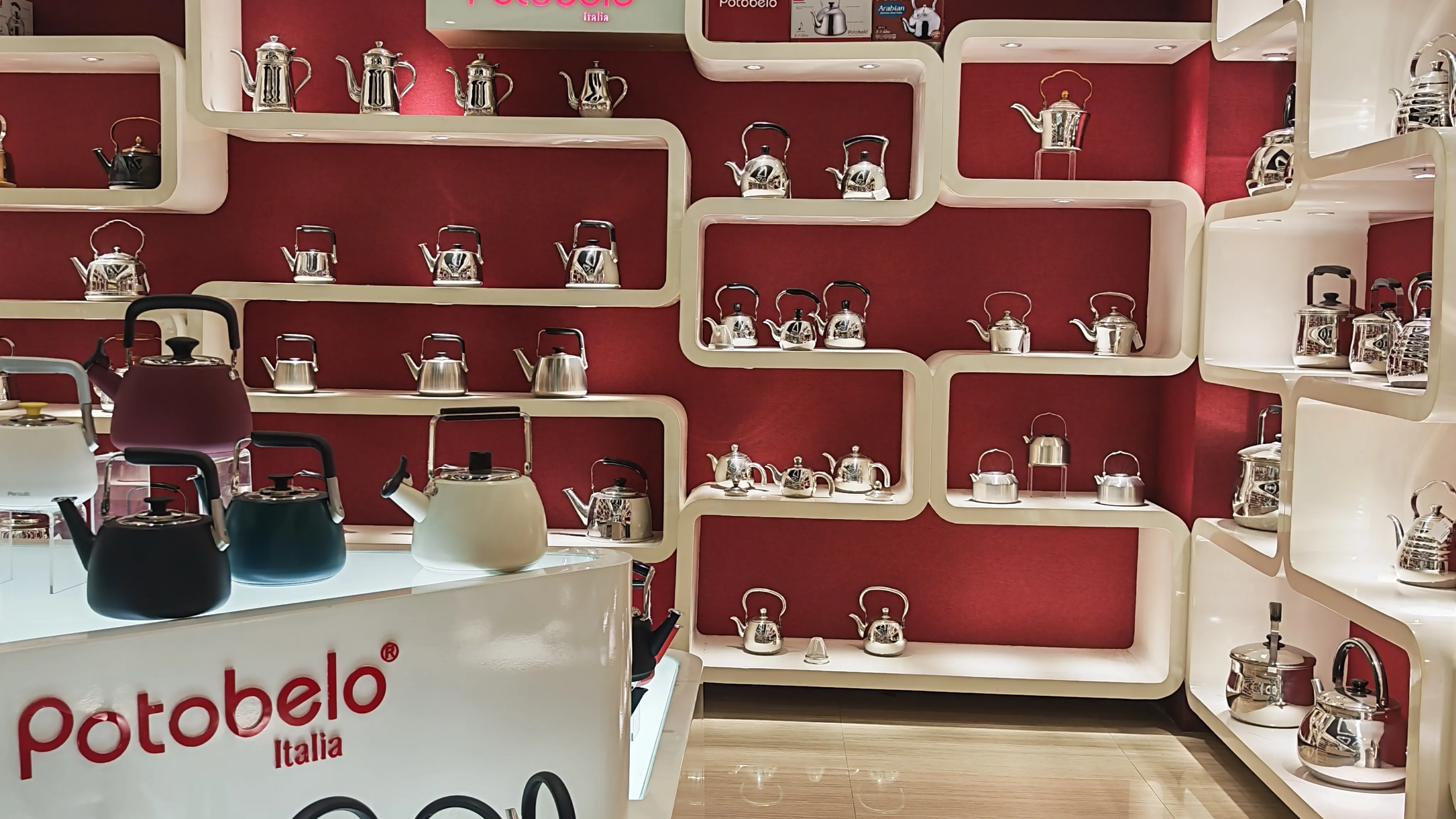
Which cookware business are you starting?
Search how to start a cookware business — or its kitchenware twin — and most of what comes back is written for people opening a store or selling from home: shopfront rent, foot traffic, "what sells best" listicles. If your plan is to buy in volume and resell — import and distribute, supply retail, or launch your own brand — that advice is aimed at the wrong business. What decides whether a cookware wholesale business survives is math, not enthusiasm: the products you choose to stock, the minimum order quantities you can commit to, and the margin structure between what a factory quotes and what your customer pays.
Different starting points change all three numbers, so pin your model down first:
- Importer or wholesale distributor. You buy catalog products and sell to retailers or smaller distributors. For wholesale cookware distributors, the levers are breadth, MOQ flexibility and landed cost, because your selling price is a markup over what the goods cost you in the container.
- Private-label or e-commerce brand. You buy factory products under your own name, with your own packaging and often your own design details. Your margin is retail-scale, but you carry tooling, sampling and brand costs the distributor does not.
- Retail chain category buyer. You build a program of SKUs for your own shelves. Your job is compliance paperwork, sell-through rates and reorder reliability rather than pricing games.
Everything below assumes you are in the first two camps — buying in volume and reselling on wholesale terms. Most first-time buyers overestimate the breadth they need and underestimate the volume per SKU; that mismatch shows up first at the MOQ conversation, which is why section three is where most plans get real. The wholesale buying guides on this site cover the same ground from the buyer's side, and they assume exactly this reader.
Choose your first products by margin profile, not by bestseller lists
Bestseller lists tell you what consumers buy; they do not tell you what you can buy at a workable price and resell at a workable margin. Product choice in a cookware wholesale business is a margin exercise, and it starts with the material. If you are building on stainless steel — the category this guide covers — the grade sets your price floor. In practice, 304 (18/8 or 18/10) is the stainless grade with established food-contact recognition for cooking surfaces; 201 substitutes manganese for part of the nickel and is generally used where food contact is not the issue — lids, outer shells and value lines. How stainless steel cookware grades are defined is the reference to read before you compare quotes, and what the price gap between 201 and 304 buys explains where cheap quotes come from.
Then think in margin drivers per category, using the framework below as a starting grid:
Category | Typical wholesale buyers | What drives your margin | Planning note |
|---|---|---|---|
Cookware sets | Retail chains, housewares distributors | Basket value per carton; packaging cost | Higher ticket per unit, more SKU and packaging management |
Saucepans & casseroles | Catalog wholesalers, e-commerce brands | Volume per best-selling size | Repeatable sizes carry a line while new sizes prove themselves |
Pressure cookers | Grocery and supermarket programs | Per-market compliance, safety features | Capacity range matters more than styling |
Kettles & steamers | Housewares importers, HoReCa suppliers | Finish quality, capacity spread | Regional preferences vary; check your market before stocking deep |
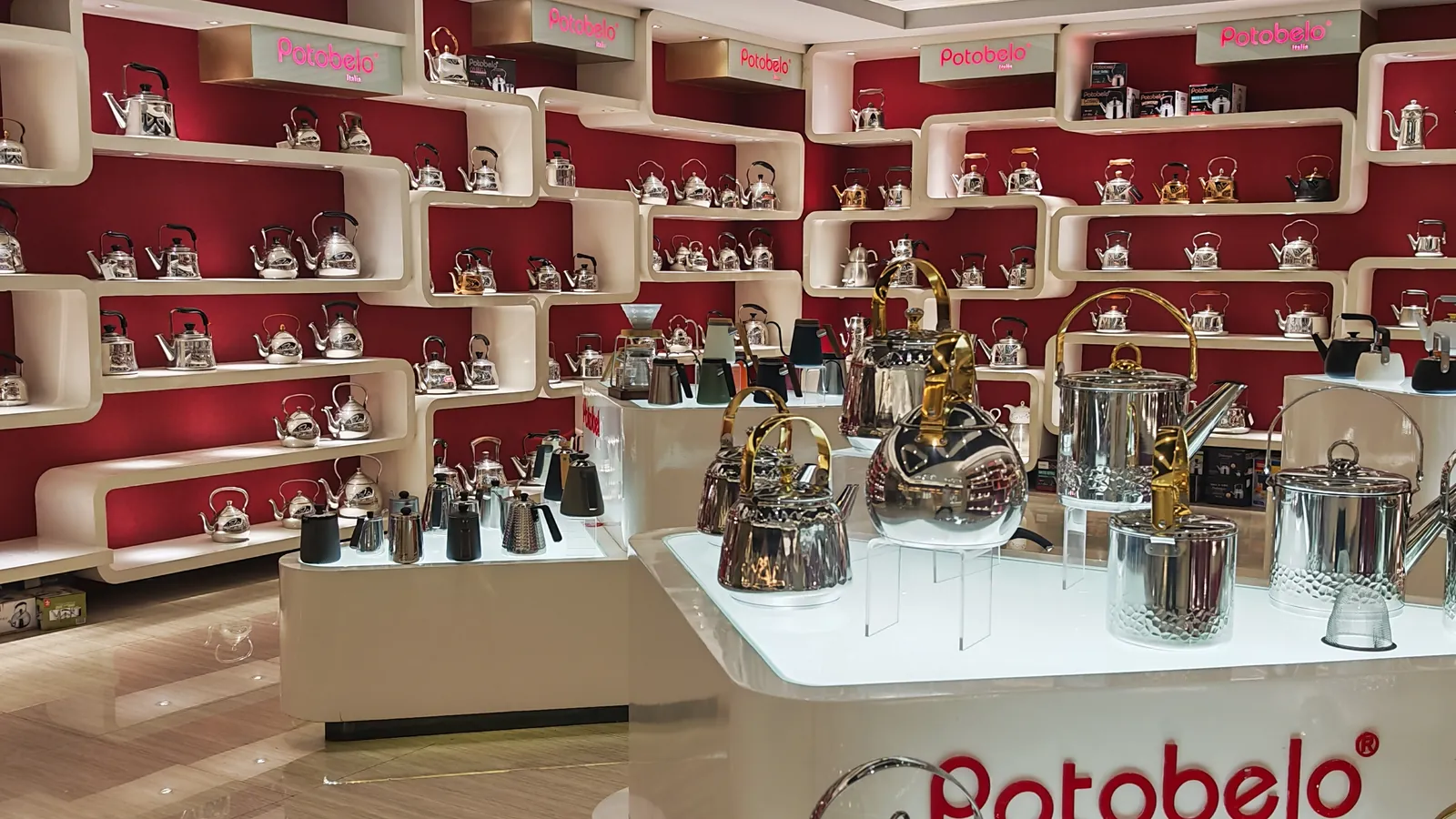
Two structural decisions belong in this section, because they change the margin picture more than any single product choice. First, sets versus singles: sets lift the average order value and justify higher freight per unit, but they multiply SKU and packaging complexity — most first-time buyers start with a few strong singles and add sets once reorders begin. Second, catalog stock versus custom work: buying existing catalog items keeps MOQ low and lead times short, while custom or private-label work buys differentiation at the price of tooling, sampling cycles and higher minimums. A realistic first line mixes the two: catalog SKUs that pay the bills, and one or two products with your own details that prove the brand. If you want to see what a catalog-shaped line looks like in practice, browse any manufacturer's product section with the grid above in hand — those categories are what most stainless steel cookware catalogs are built on.
Understand MOQ economics before you ask "what is your MOQ?"
MOQ is the first real gate in a cookware wholesale business, and most people ask about it wrong. There is no single MOQ for a factory — there is an MOQ per model and per category, because each model consumes its own tooling, production run and packaging setup. A catalog saucepan with existing tooling has a different minimum from a custom pressure cooker needing new dies, engraving and packaging. When a salesperson answers "what is your MOQ" with one round number for everything, they are quoting a sales line, not a production reality.
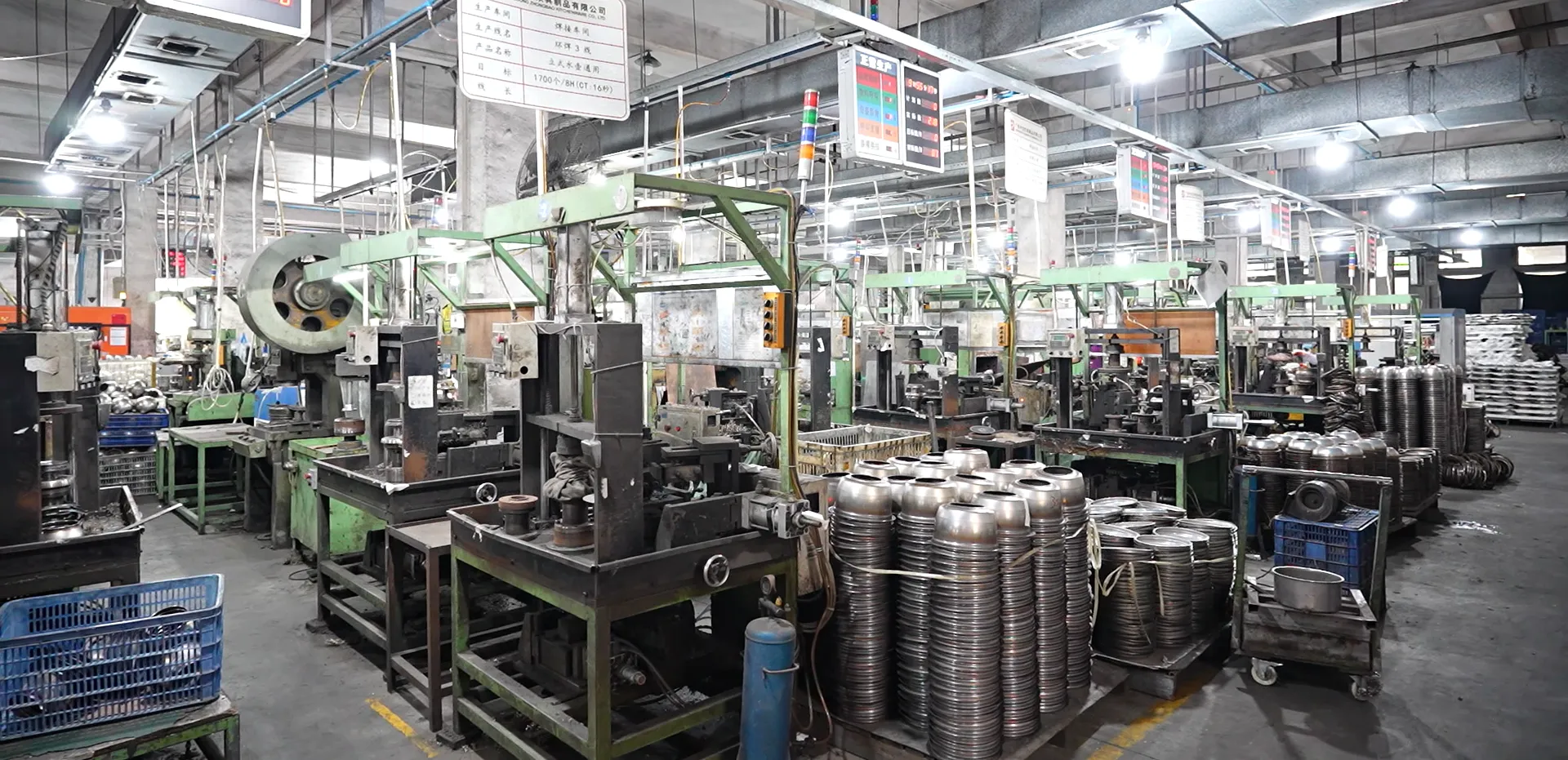
What MOQ actually buys you is worth understanding before you negotiate it. The number exists because a factory amortizes setup across a run: drawing dies, polishing stations, packing fixtures and inspection time cost roughly the same whether the run is 300 pieces or 3,000. As an indicative planning figure, catalog stainless cookware is commonly quoted from around 500 pieces per model; custom and private-label programs run higher. Those are ranges to test against quotes, not facts to plan on — the number you care about is the one written on your factory's quotation.
Three practical rules keep MOQ from strangling a first order. Ask for the MOQ in writing per model, per finish and per packaging variant — they are not the same number. Check whether several models can share one container: a mixed 20-foot container is how most first-time importers test a small range without committing the minimum on every SKU. And treat the MOQ as a dialogue, not a wall: factories quote higher minimums to buyers who look like one-off shoppers, and lower ones to buyers who bring a forecast, a target market and a reorder plan. You negotiate MOQ with evidence of being a repeat buyer, not with charm.
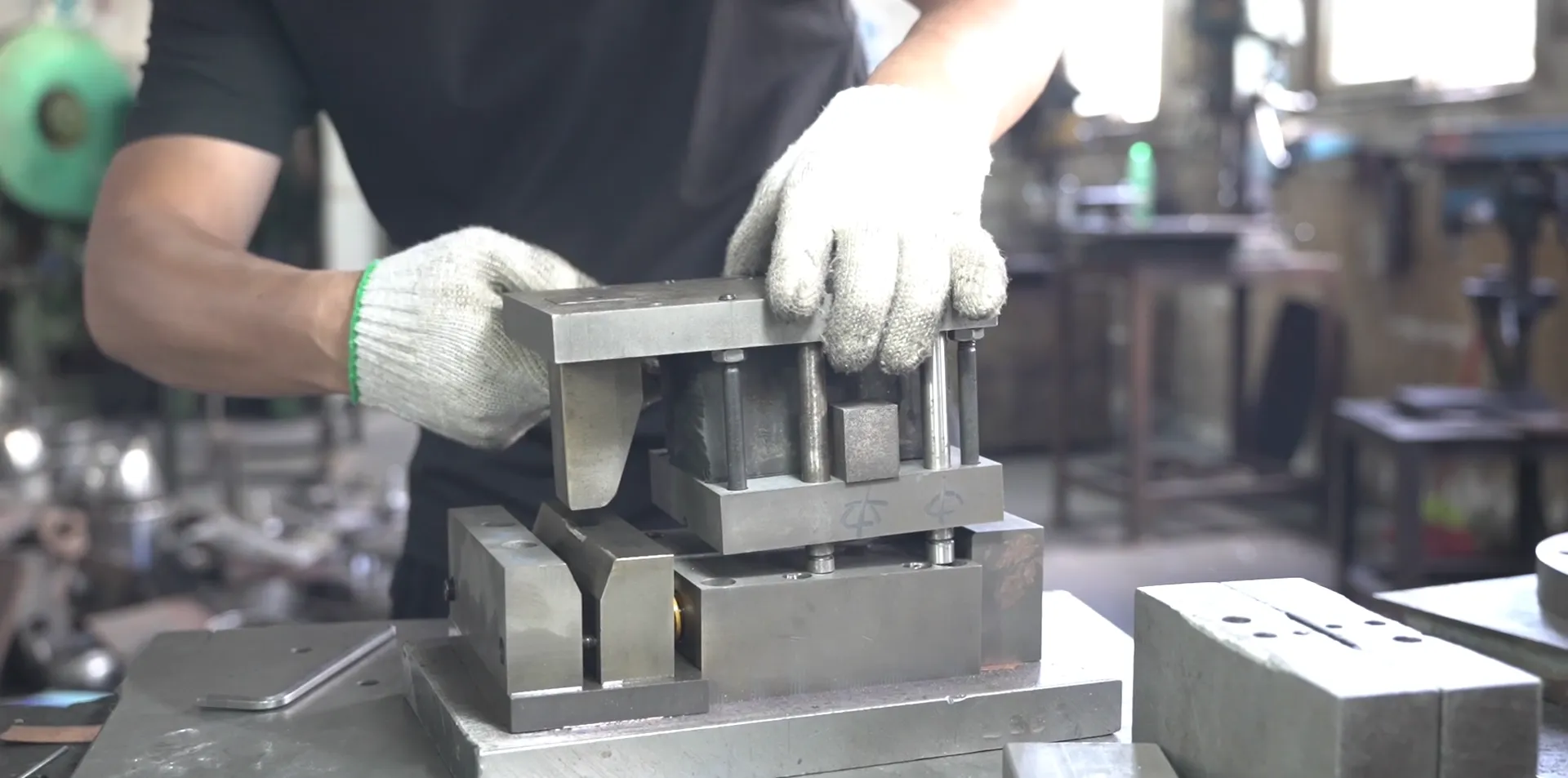
Two more facts make the conversation easier. Minimums are most rigid on the very first run, because that is when tooling and scheduling costs are unamortized; once a model is in regular production, a factory's per-run economics change, and buyers with an annual volume commitment can often negotiate smaller repeat releases against it. And MOQ applies to the manufactured product, not to everything around it — packaging, engraving and private-label details carry their own minimums and their own setup charges, which is why a beautifully low product MOQ sometimes lands with a packaging cost that swallows the saving. Ask for the full setup picture, tooling included, before you celebrate a small number.
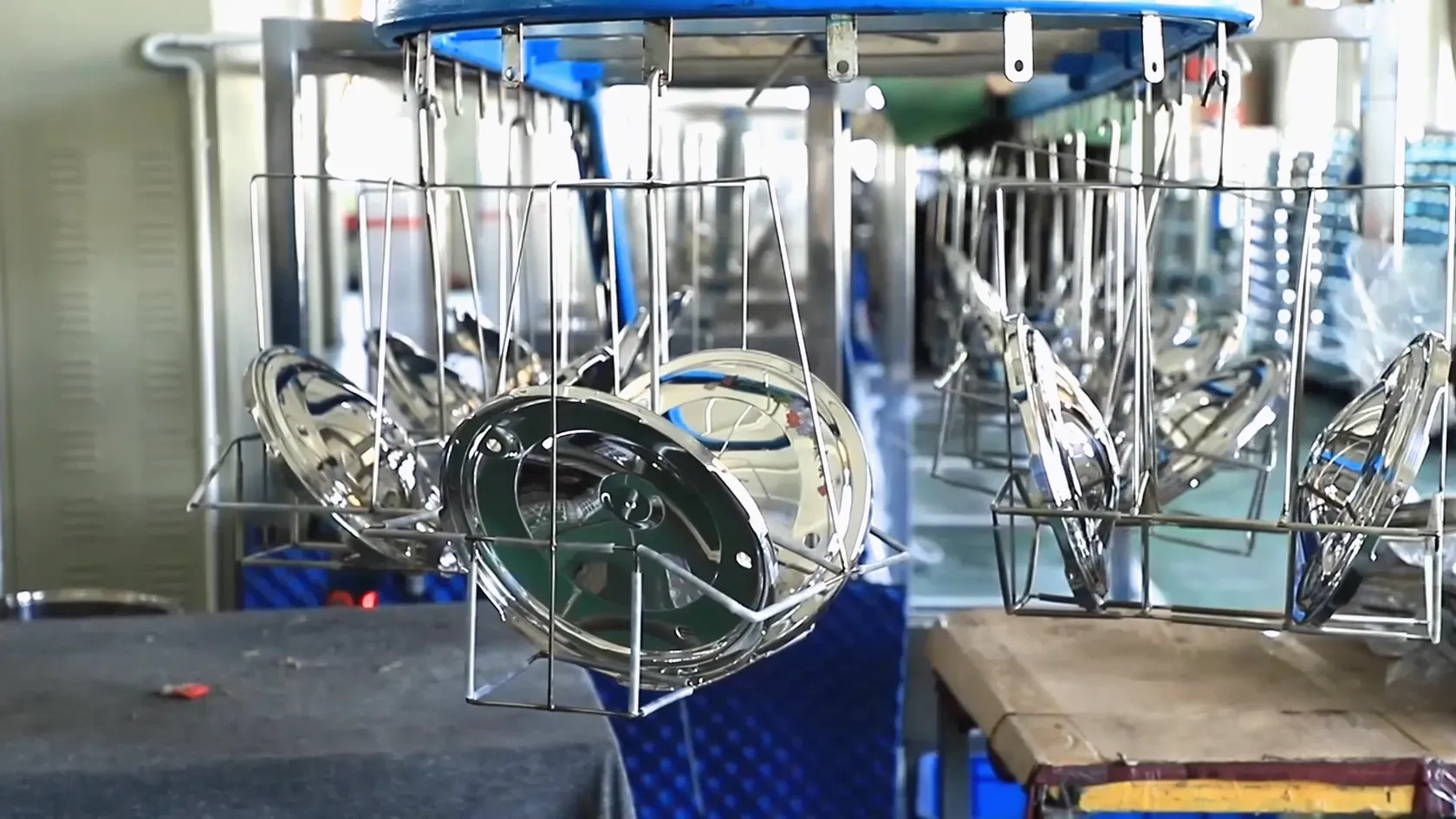
The photo below is that setup picture, literally: die changes and tooling fits are the fixed cost a first-run minimum pays for.
Price from landed cost, not from the factory quote
The factory quote is where beginners start their margin math and where they go wrong, because it is only the first line of what the product costs you. The number your margin sits on is landed cost: everything spent before the goods are sellable in your market. Build the stack as a table and fill it from real quotes:
Cost line | What it includes | Who sets it |
|---|---|---|
Ex-works / FOB price | The factory quote per unit | Factory, moves with raw material prices |
Freight & forwarding | Ocean freight, port handling, forwarder fees | Forwarder, by port and container size |
Duties & taxes | Import duty and clearance on your HS code | Customs authority of the destination country |
Compliance & testing | Test reports, certifications, agent fees | Labs and certifiers for your market |
Local costs | Warehousing, QC buffer, payment fees | Your own operation |
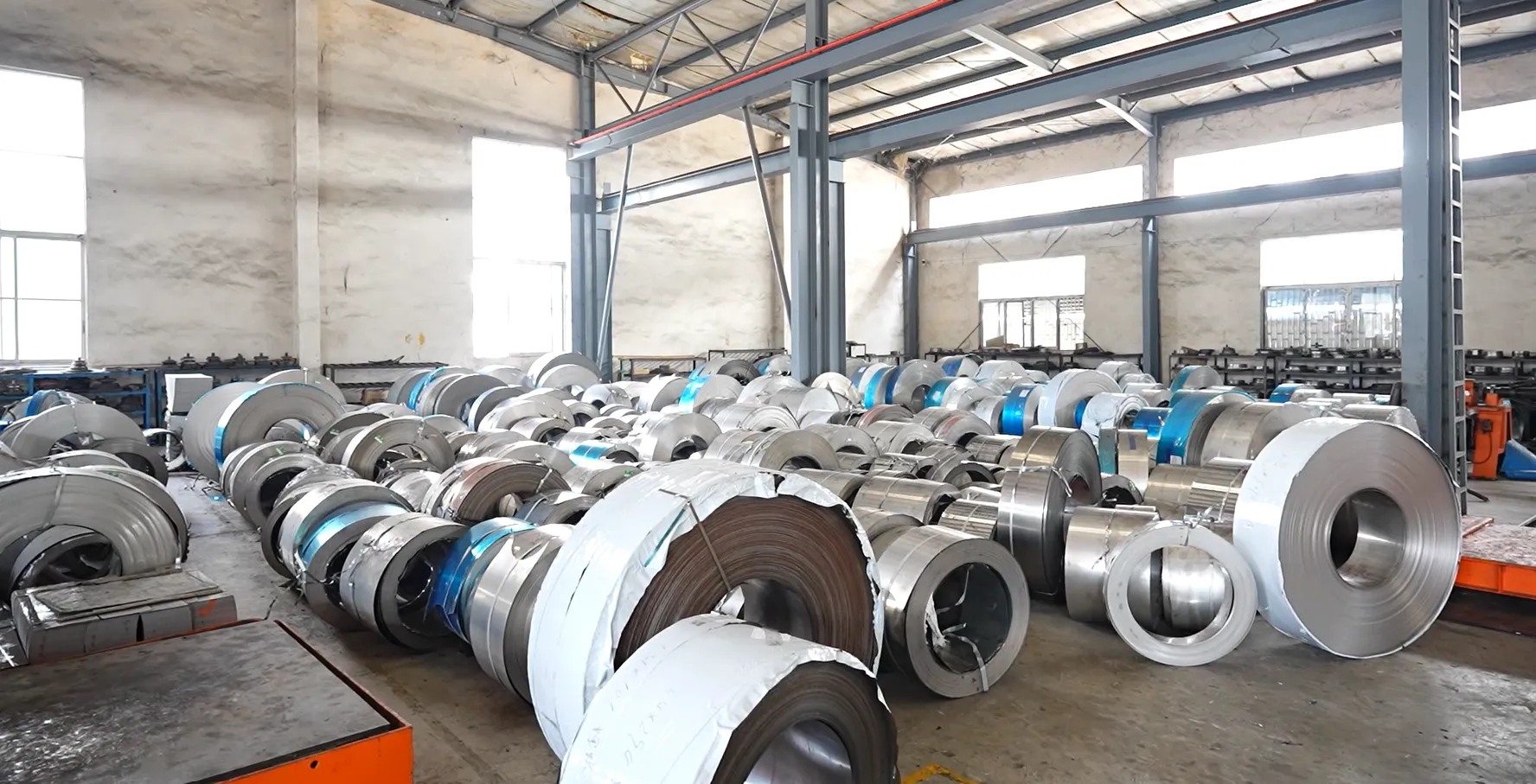
Three things about this stack are easy to underestimate. First, the quote itself moves: stainless steel pricing tracks raw material, and nickel is the cost driver — the LME nickel contract is the reference most mills price against, which is why a quote should always carry a validity period. Second, freight is quoted per container, so per-unit freight falls as you fill the container — one reason a fuller first order is often cheaper per pot than a cautious half-container. Third, duties and compliance are destination-specific and should be priced before you commit to a market, not discovered at the port.
With landed cost in hand, pricing becomes arithmetic. Run a worked shape with your own numbers — deliberately generic here: if freight, duties, compliance and local costs add roughly ten to twenty percent on top of the FOB quote, landed cost sits around 110-120 percent of FOB. A wholesale price of about 155-175 percent of FOB then puts gross margin in the lower half of the planning band below. The point is the shape, not the digits: every point of freight or duty moves straight through to your margin, and no supplier discount compensates for a cost line you forgot to price. As a common planning starting point, distributors target roughly 25-40 percent gross margin between landed cost and wholesale price on commodity stainless cookware, with branded and private-label lines carrying more when they reach retail. Treat those as indicative ranges for building your model — margin data is market-specific, and the only numbers that should end up in your plan are your own landed cost and what your customer will pay. The discipline is the same at any level: price from the bottom of the stack up, never from a competitor's retail price down.
Plan the compliance paperwork your markets will ask for
Cookware touches food, so every serious buyer downstream of you — retailers, platforms, import authorities — will ask what your market requires. This is not the place for guesswork, and it is not the place for a supplier's logo wall. Food-contact rules are assessed by behaviour, not by brand: in the United States, stainless steel is accepted in practice on the basis of composition — recognized series carry at least 16 percent chromium — rather than through a listing among the FDA's cleared food-contact substances. What that means for you as a buyer: the paperwork that matters is a test report for the specific article you are importing, not a generic certificate.
In the European Union, Regulation (EC) 1935/2004 sets the migration framework that member states apply, with Germany commonly adding LFGB testing on top. What a buyer needs from the factory is the underlying test report for the exact article being imported — lab name, report number, date, tested article — not a jpeg of certificates from a different product three years ago.
Build the list for your destination before you order: food-contact reports, packaging and labelling requirements, and the import documentation your customs broker will ask for. Most of this is standard market paperwork, but it is market-specific — a report set that clears one country's border tells you nothing about a Saudi shipment or an EU retail listing. Budget it like any other cost line, because compliance fees recur per model and per program, and they belong in the landed-cost table from the previous section, not discovered after the container sails.
Two practical habits save most of the pain. Ask the factory which markets they have shipped this category to before: repeat shipping to your destination is its own evidence that the paperwork path exists. And build compliance into the purchase order — name the reports you need, so they arrive with the goods rather than after a customs hold. The compliance guides on this site go market by market for exactly this stage of the business.
Buy from a factory you can verify
The most expensive mistake in a cookware wholesale business is approving a supplier who turns out to be a trading company — reselling someone else's production, with the gap between your approved sample and your received container widening with every hand the goods pass through. On B2B platforms this is the standing risk: cookware wholesale suppliers list with factory photography, and a listing alone cannot tell you whether the factory behind it runs its own lines. A real factory can show evidence a trader cannot:
- A business license with manufacturing scope, not a trade scope.
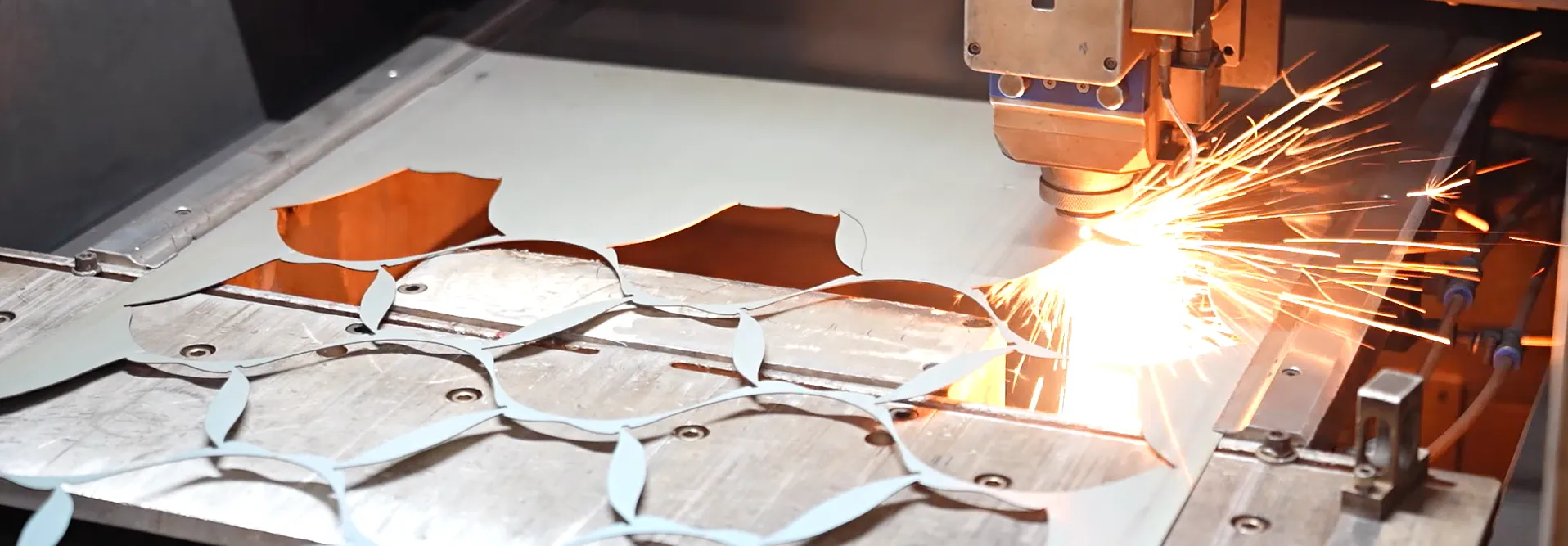
- An in-house process list — which of deep drawing, composite-bottom bonding, welding, polishing and packaging happen under their own roof, and which are bought in.
- A live floor walkthrough — an unannounced video call works fine. A trader books a tour of someone else's factory; a manufacturer walks you through their own.
- Audit reports and audit willingness — BSCI or equivalent social-compliance audits, plus acceptance of a third-party inspection as part of your deal.
That list is also the bar we hold ourselves to: Potobelo is the export brand of a Guangdong stainless steel cookware manufacturer with three decades of production behind it, and the evidence above is what a buyer receives from us before the first quote. Use it as a reference point when you compare candidates. For the full shortlisting and scoring method — including how to verify the steel and the paperwork per batch — our guide to choosing a stainless steel cookware manufacturer takes it step by step.
Size the first order, and set terms that survive a reorder
The first order has one job: to teach you the line and the supplier at a cost you can absorb. That changes how you size it. Order samples from two or three shortlisted factories against the same written spec — grades, sizes, capacities, construction — so you compare product, not marketing. Seal the approved sample: both sides sign and date it, and the purchase order states that production is compared against the sealed reference at final inspection. As indicative timings against which to check promises, sampling typically runs about 7-10 days and production 30-50 working days from confirmation on catalog stainless cookware — the number a factory puts in writing matters more than the one it says on a call. Add a third-party AQL inspection before shipment at container volumes; at that scale it pays for itself the first time it catches a bad batch, and the complete guide to sourcing cookware from China walks the wider journey — shortlisting, inspection points, documents — that this article builds on.
Terms deserve the same discipline as products. Choose the Incoterm that matches your experience: FOB leaves freight and risk to you but maximum control, while DDP pushes both onto the supplier at a price you should see itemized. Payment on standard T/T — deposit with order, balance against documents — is the norm, with L/C available for larger programs. And write the reorder conditions into the first deal: the MOQ, the lead time and the defect-replacement commitment that will apply when you repeat the order. A cookware business is not built on first orders; it is built on the second one, and the second one is negotiated on the first.
Know the shipping documents before the container sails: commercial invoice, packing list, bill of lading, and the certificates named in your purchase order. Customs brokers and forwarders ask for them in a specific order, and a missing test report delays a container far more expensively than the report itself costs. Ask the factory for a document checklist when you place the order, and everything will be on hand the day the goods arrive — which is also the day your margin model stops being a spreadsheet and starts being inventory.
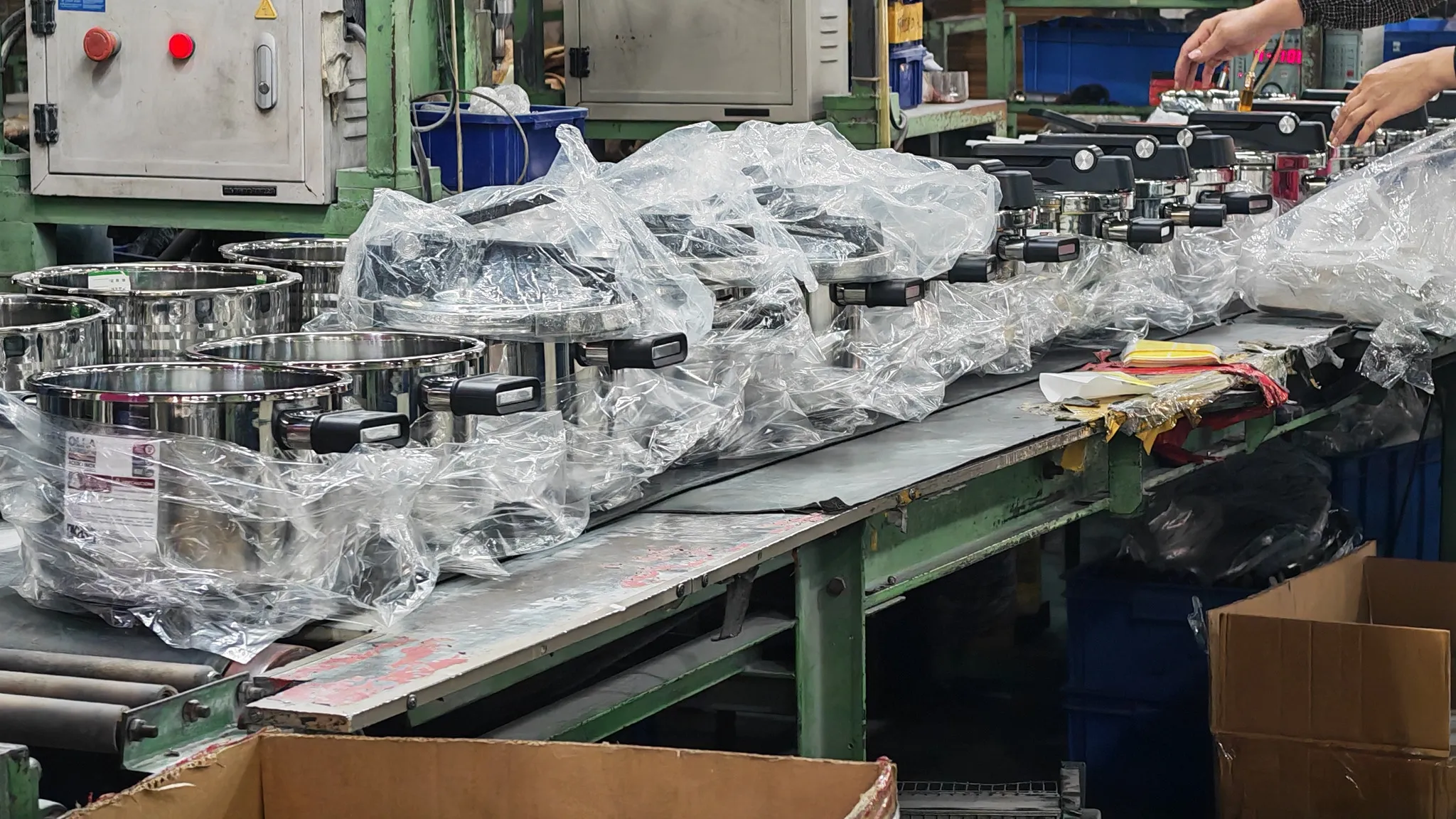
The photo below is where the spreadsheet meets the physical goods: finished pots moving through the packing station, where the count on the packing list meets the boxes.
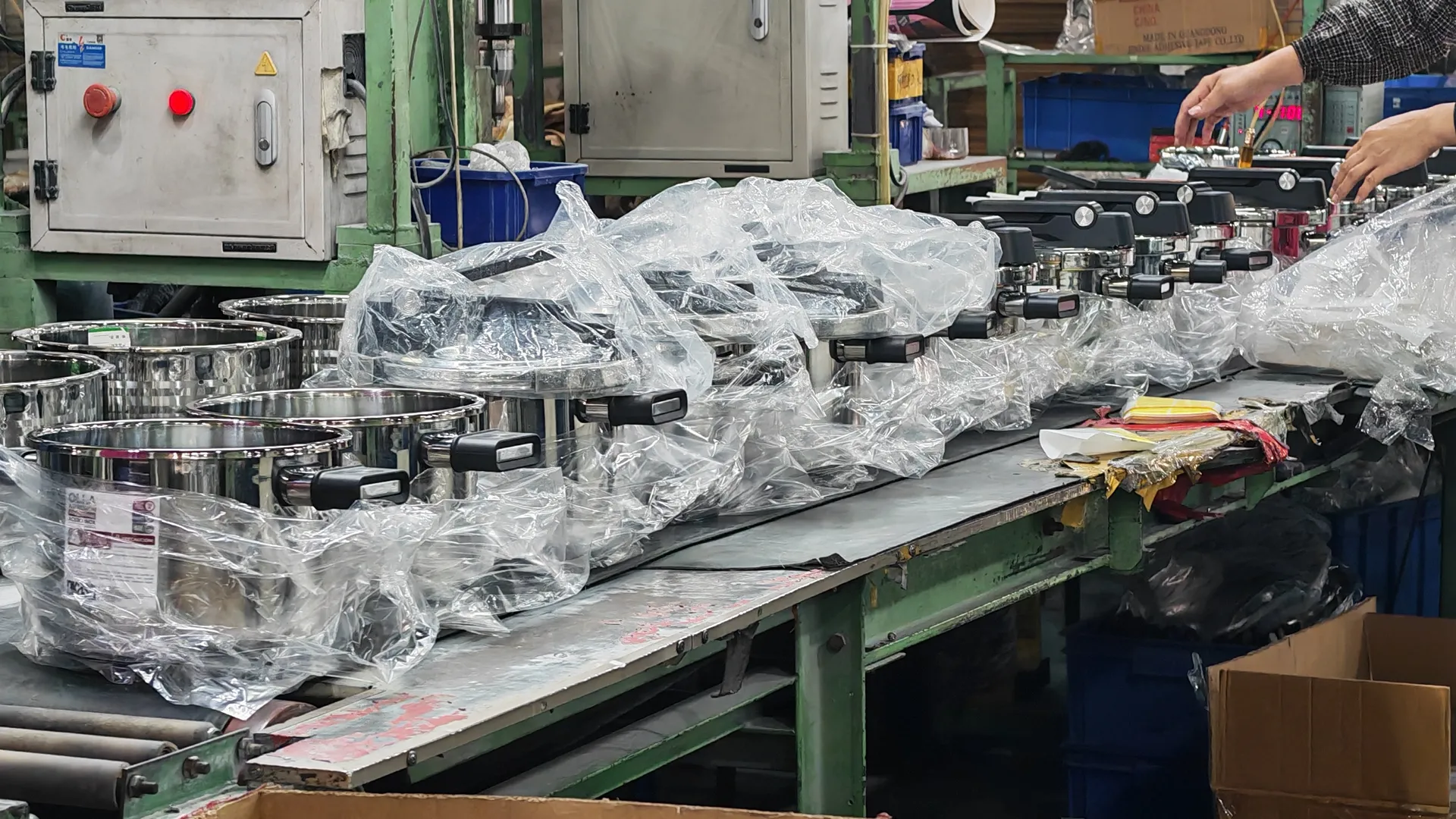
One note on everything above: treat the ranges in this article as planning frameworks, not market data. MOQs, margins and lead times are negotiation outcomes, and the only numbers that should end up in your plan are the ones written on real quotations. Bring a spec, a target market and a first-order volume to the conversation, and you can see in one exchange whether the person across the table answers like a partner — and the conversation starts here.
Common questions
How much money do you need to start a cookware business?
There is no single number — cost is set by the model you choose. The main blocks are consistent: samples and shipping, a first stock order sized to MOQ, freight and import duties, compliance tests for your market, and storage or fulfillment. A distributor starting with one mixed container of catalog stainless cookware commits less than a brand owner paying for custom tooling, engraving and packaging. Work from real quotes: ask two or three factories for per-model MOQs and lead times, add freight and duties for your port, and scale the first order to what you can sell through.
Is a cookware business profitable?
It is profitable when the margin is planned from landed cost rather than assumed from the quote. A common planning starting point for a distributor on commodity stainless cookware is a 25-40 percent gross margin between landed cost and wholesale price, with branded or private-label lines typically carrying more at retail — treat those as indicative ranges, not market data. What makes cookware profitable over time is reorders: the first order pays for learning the line, and margin compounds when a repeat order sells through faster than the first one did.
What is the MOQ for cookware from a manufacturer?
MOQ is quoted per model and per category, not as one factory-wide number. For catalog stainless steel cookware, an MOQ from around 500 pieces per model is a common starting point; custom or private-label programs run higher because tooling, engraving and packaging changes are involved. A factory that answers “what is your MOQ” with a single figure for everything is usually quoting a sales line. Ask for the per-model MOQ in writing, and check whether different models can be combined in one container so a first order can test several products without hitting the minimum on each.
What paperwork do I need to import and sell cookware wholesale?
You need a registered business and an importer-of-record arrangement in your destination country, plus market-specific food-contact paperwork. In the US, stainless steel is assessed by composition, and buyers request FDA-relevant test reports for the specific article. In the European Union, migration testing under the Regulation (EC) 1935/2004 framework is the norm, with LFGB testing common for Germany. Ask the factory for the underlying reports — lab, report number, date and the exact article tested — not a certificate wall, and confirm which markets they have shipped the category to before.
Written by
Potobelo Editorial Team
Sourcing and engineering staff at Potobelo, a stainless steel cookware brand built on 30 years of Zoombo manufacturing in Guangdong, China. We write from inside the plant that makes the product, not from reviewing it.